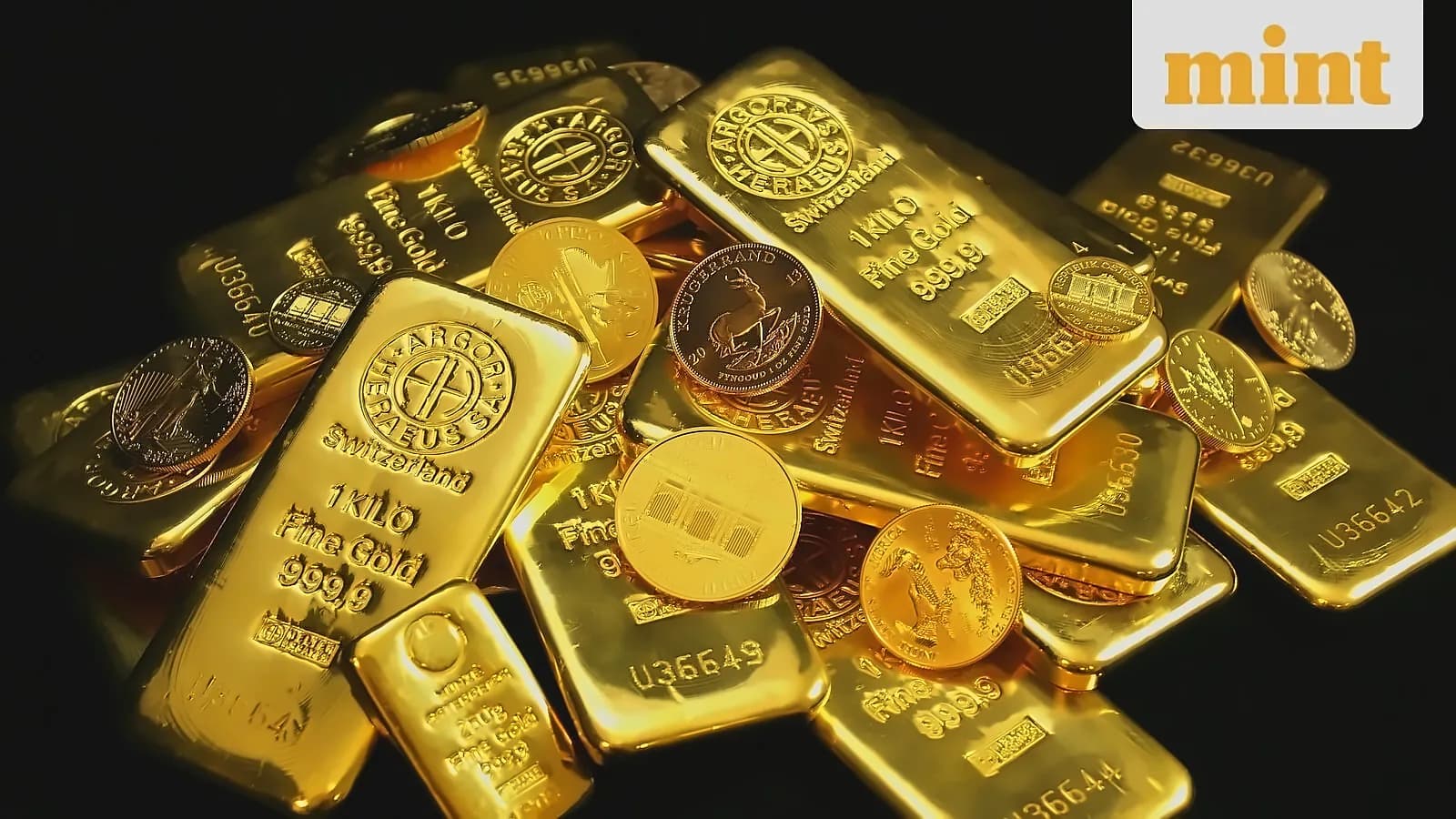
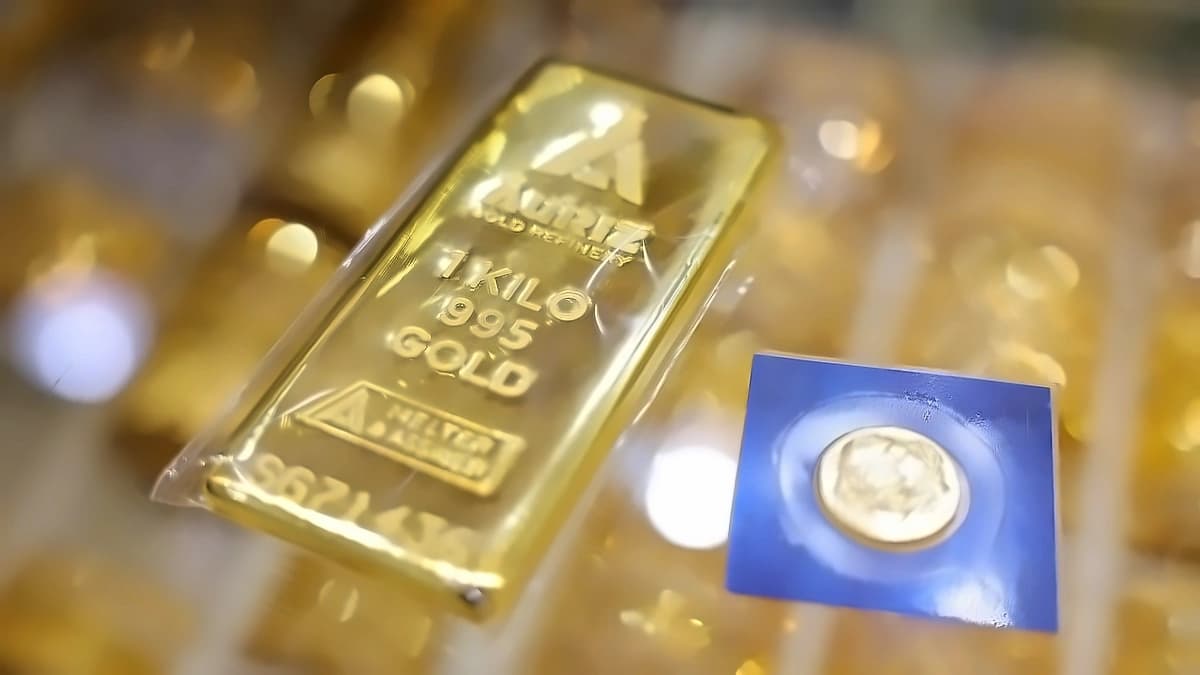
Gold presents a compelling investment opportunity this May, with prices declining substantially from recent highs. Gold reached its peak at $5,589.38 per ounce in January 2026, but as of May 5, the same amount was selling for $4,563.99, representing a more than $1,000 drop in less than three months or over 18% decline. This significant price correction makes gold much more affordable for investors who previously found the metal too expensive. The current entry point offers an attractive window of opportunity, as gold's historical tendency to rise over time suggests this affordable window may close soon, potentially before the month ends. As of April 20, gold surpassed $4,805 per troy ounce, with experts predicting it could reach $6,000 per ounce in 2026 due to geopolitical tensions and stock market volatility.
Indian households maintain an estimated 25,000 to 34,600 tonnes of gold, significantly exceeding the reserves held by the top 10 central banks combined, according to reports from The Economic Times. This substantial position reflects gold's deep cultural and emotional value within Indian households, with the metal serving as a primary vehicle for consumption, gifting, and generational wealth preservation. However, the debate has shifted from whether to invest in gold to determining the most cost-effective route for acquisition. Just 10.8% of the population invests in physical gold, according to U.S. Gold & Coin, representing a much smaller percentage than those who invest in stocks (62% of Americans own stocks as per a 2025 Gallup poll).
Physical gold through jewellery, coins, and bars continues to hold cultural significance for Indian households, particularly for consumption and gifting purposes. However, as a pure investment vehicle, physical gold presents significant cost barriers. Making charges range from 3% to 25%, combined with double GST (3% on gold value and 5% on making charges) and buy-back deductions that result in approximately 15% cost disadvantage before price movements. BIS-hallmarked jewellery and coins remain the preferred option for cultural and consumption needs, but their high entry and exit costs make them unsuitable for tactical investment strategies. The appeal of physical precious metals lies in their zero counterparty risk - unlike fiat currencies or company shares, physical gold and silver carry no risk of bankruptcy or central bank manipulation.
Digital gold has experienced explosive growth, with UPI transactions reaching 103.2 million in ten months to September 2025, representing an 85% surge in transaction value to ₹1,410.2 crore, as reported by the National Payments Corporation of India (NPCI). The appeal lies in fractional purchasing starting at Re 1 through mobile applications, guaranteed purity, and convertibility to physical coins. However, SEBI issued a public advisory on November 8, 2025, warning that digital gold products lack regulatory protection since they are neither securities nor commodity derivatives. This regulatory gap means no standard disclosure norms, no formal grievance redressal, and no capital safeguards if platforms face trouble. With increased financial uncertainty and concerns about the economy, retail investors will become more interested in physical gold, such as bars, bullions, and coins.

Gold ETFs, regulated by SEBI and traded on BSE and NSE, offer the most cost-effective alternative with no making charges, no storage headaches, and no GST. ETF units are classified as securities rather than physical metal, enabling simple selling through stock orders during market hours. SEBI implemented structural reform on April 1, 2026, allowing ETFs to be priced directly using rates published by Indian exchanges, bringing pricing closer to domestic gold market reality. Previously, ETF rates were calculated using London benchmarks requiring currency conversion and import duty adjustments, creating pricing discrepancies with actual Indian gold prices. Gold prices have skyrocketed in recent years, with gold rising 64% in 2025, highlighting the metal's appeal as a safe haven during economic uncertainty.
The optimal gold investment choice depends on specific investment objectives and risk tolerance. Physical gold remains ideal for cultural and consumption purposes, while digital gold suits first-time, small investors prioritizing simplicity over return optimization. Gold ETFs are recommended for tactical buying when prices dip and building meaningful gold exposure, offering the most cost-effective route for strategic gold accumulation. Current market conditions support gold as a portfolio diversifier, with inflation surging above the Federal Reserve's 2% target and stock market volatility highlighting the importance of diversification. However, experts recommend limiting gold holdings to 10% of overall portfolio to avoid overcrowding income-producing assets, though this cap may be lower depending on individual investor profiles and goals. Gold prices tend to spike during periods of high inflation, with gold prices reaching $1,800 per ounce in 2022 when inflation surpassed 9%.