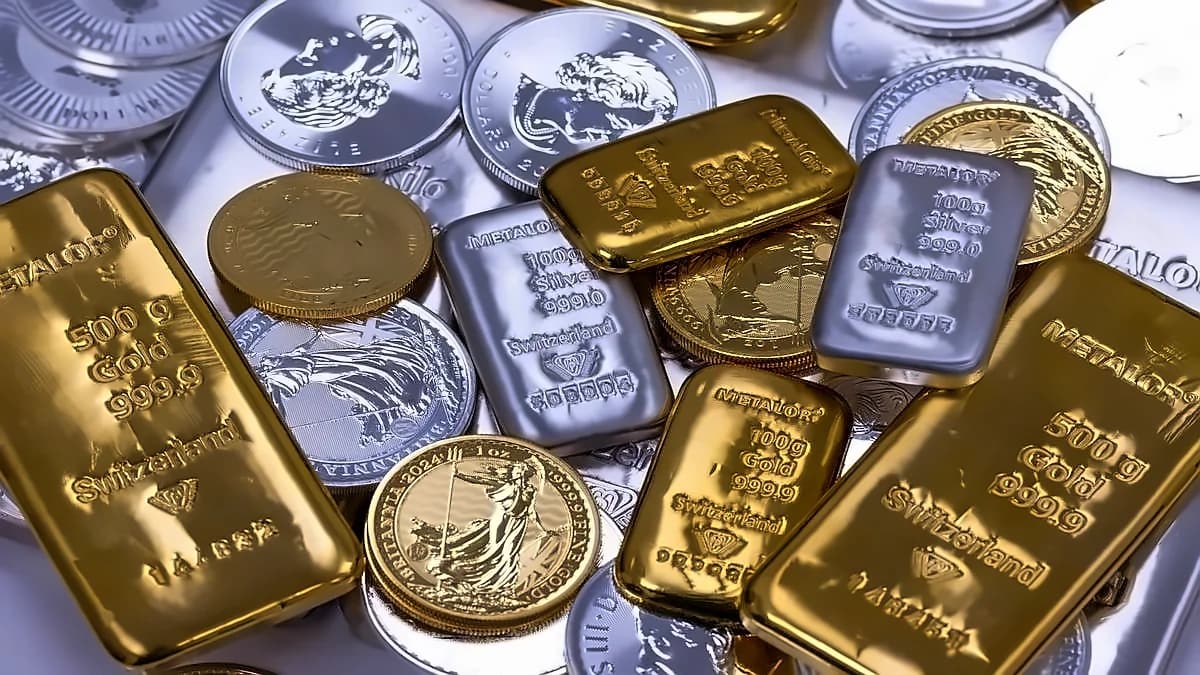
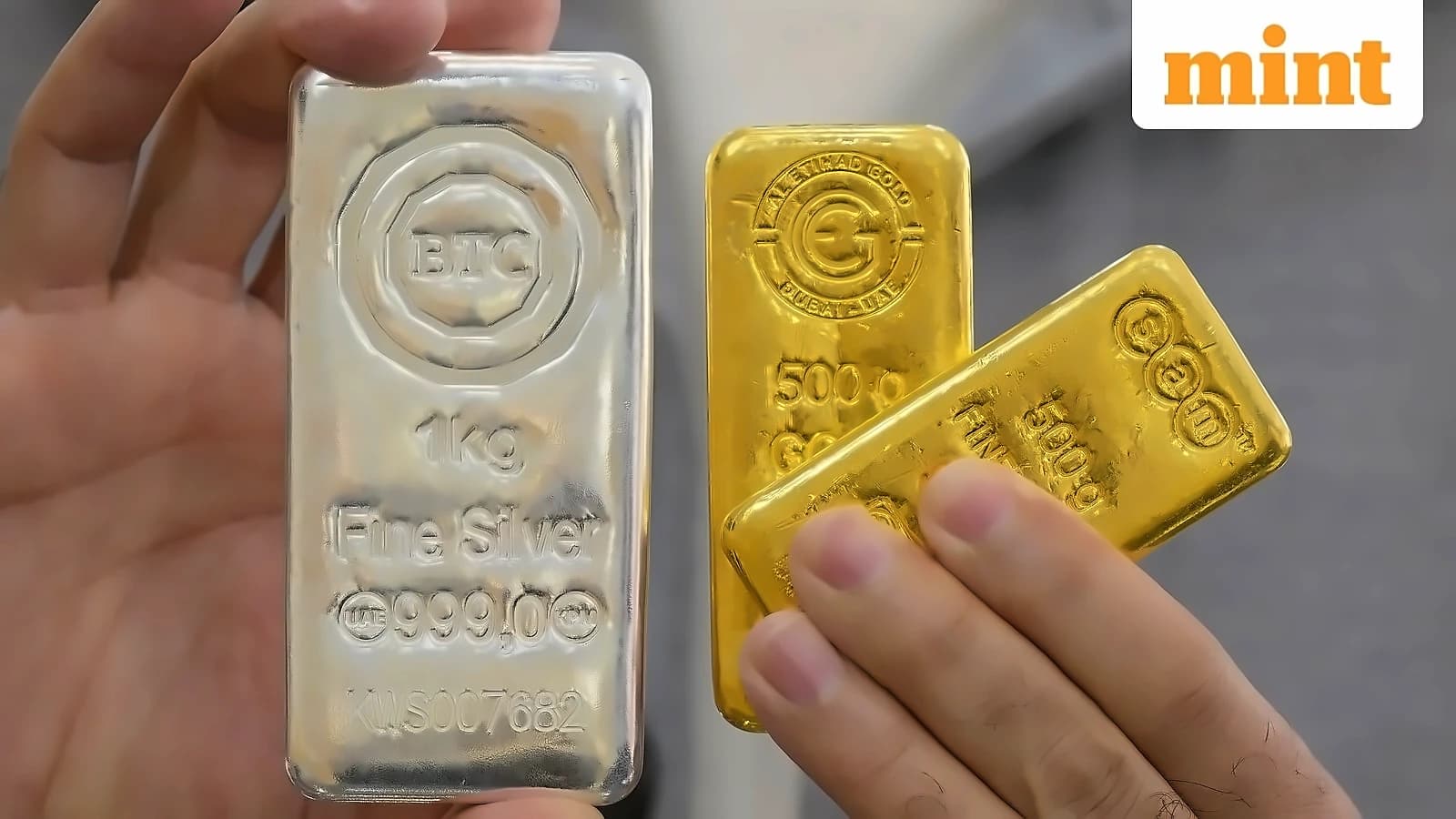
Gold held a five-day gain, trading around $4,699 an ounce, up 0.11% from the previous session after the Treasury ramped up buybacks of long-dated government debt. The precious metal has gained more than 7% in the last week after the Treasury ramped up buybacks of long-dated government debt. According to Bloomberg, gold edged up 0.1% to $4,659.52 an ounce at 7:35 a.m. Singapore time, following an earlier spike that saw prices hit almost $4,700 an ounce, the highest intraday level since mid-May. The metal has advanced almost 8% in the past week after US Treasury buybacks aimed at halting a months-long selloff that pushed the longest-dated yields to the highest in almost two decades. Silver was 0.3% higher at $68.83 an ounce, while platinum was little changed and palladium rose, with the Bloomberg Dollar Spot Index flat after dropping 0.1% in the previous session. The drop in bond yields helped boost non-interest bearing gold, with the metal's marked rebound taking it above the 200-day moving average that's often viewed as an important measure of momentum.
Oil dropped on optimism about de-escalation in the Middle East, with Brent crude slipping to around $88 a barrel, extending losses for a third consecutive session after reports of discussions between Iran and Oman on establishing a temporary joint maritime corridor in the Strait of Hormuz. As per Bloomberg, yields fell by five to seven basis points across the curve on Tuesday as oil prices declined. The lower energy prices are also likely to benefit gold by reducing pressure on the Federal Reserve to hike interest rates. Fed Bank of Boston President Susan Collins said she supported holding rates steady for now, provided progress is seen in bringing inflation back toward the central bank's 2% target. Higher borrowing costs are typically a headwind for non-yielding bullion, making the current environment particularly supportive for gold's continued rally.
On the Multi Commodity Exchange (MCX), gold futures (October) opened at ₹1,63,202 per 10 grams, up ₹320 from its previous close of ₹1,62,882, with the metal trading at ₹1,62,395 per 10 grams during early trade. According to Zee News, silver futures (September) opened at ₹2,45,583 per kg, up ₹1,456 from its previous close of ₹2,44,127. In international markets, COMEX gold was up 0.11% at around $4,699 an ounce, while COMEX silver gained 0.74% to trade near $69 an ounce. Market experts note that easing crude oil prices and lower bond yields have supported gold and silver prices, while a weaker dollar has also provided a positive backdrop for the precious metals. MCX Gold has been trading in the ₹1,62,500-1,63,400 range in recent sessions with a breakout above ₹1,63,400 potentially opening the way towards ₹1,63,900, while on the downside, major support for gold is seen around ₹1,61,130.
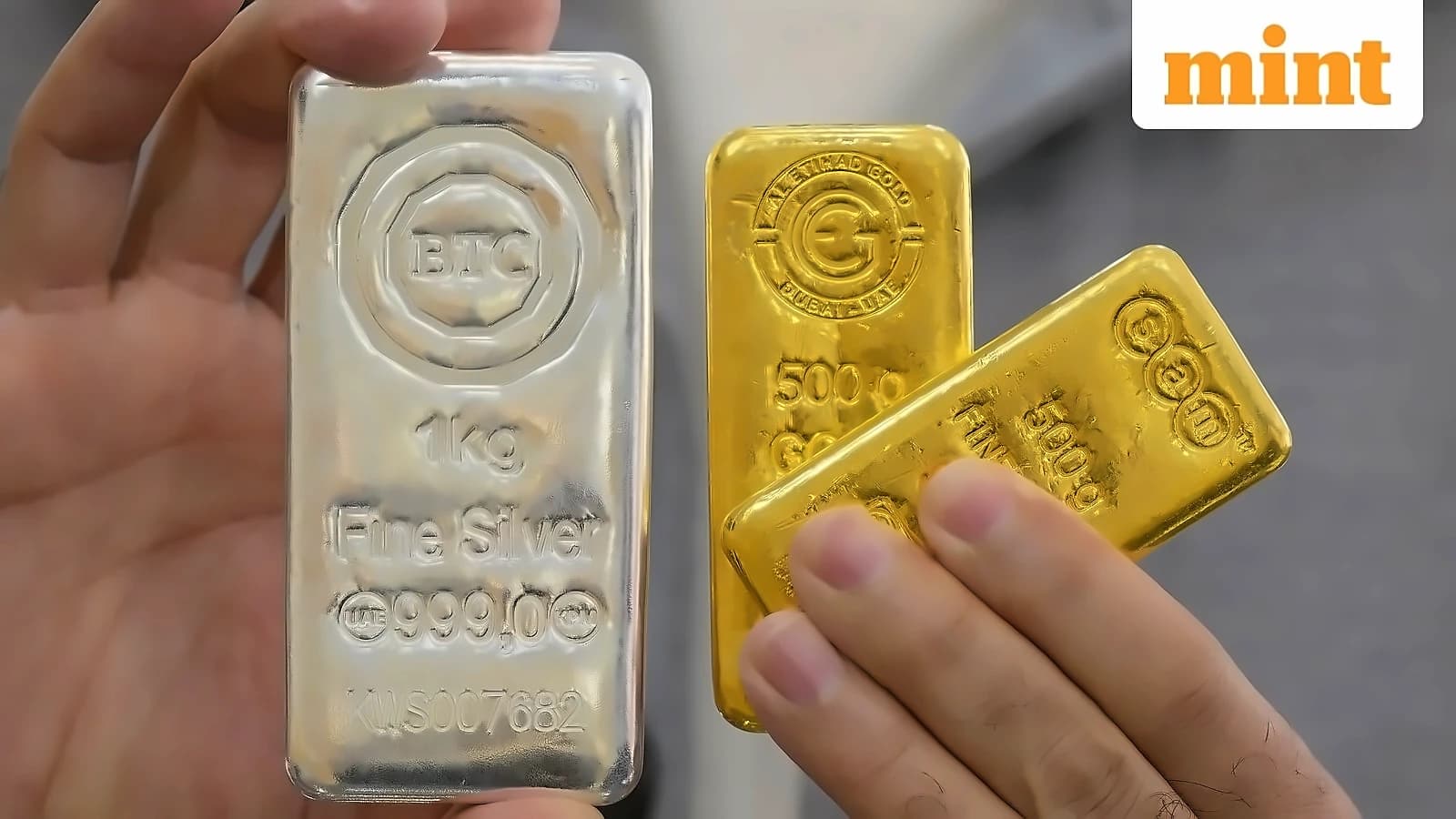
The recent surge in gold prices has been primarily driven by US Treasury buybacks aimed at halting a months-long selloff that pushed the longest-dated yields to the highest in almost two decades. As per Bloomberg, Treasuries gained after a decline in crude prices helped soothe inflation fears, with officials from Iran and Oman announcing an 'interim framework' aimed at resuming shipping through the Strait of Hormuz. Treasury Secretary Scott Bessent has said he's prepared to expand buybacks of costlier debt, though he refrained from any further signals on Monday. The efforts have renewed interest in the so-called debasement trade, which helped power gold's blistering rally last year as investors took shelter in the precious metal and avoided sovereign debt and currencies to protect themselves from runaway budget deficits. US debt levels have ballooned faster than expected, while court decisions reversing tariffs have cut a source of government revenue just as the Pentagon seeks to increase spending, according to Natixis analyst Bernard Dahdah.
Gold's marked rebound has attracted significant institutional interest, with bullion-backed exchange-traded funds tracked by Bloomberg adding more than 28 tons last week, the most since January. According to Bloomberg, an uptick in the 25-delta call skew for the biggest gold ETF — a gauge of demand for out-of-the-money call options relative to puts — also signals investors are becoming more bullish and willing to pay for upside exposure. Fidelity Holdings Ltd.'s George Efstathopoulos doubled his fund's gold holdings over the past three weeks, beginning his recent accumulation after retreating from long-dated Treasury following a July Fed meeting that left interest rates unchanged. Despite a higher opportunity cost of holding gold, the market is concerned about fiscal and bond market stability, with Natixis forecasting bullion will hit $5,000 by year-end and average that level in 2027. The rally has been supported by gold-backed ETFs recording increased inflows in recent weeks, signaling broader market participation.
Gold prices in India continue to remain higher than in Dubai, with 24K gold in India at ₹1,63,870 per 10 grams compared to ₹1,37,405 in Dubai, reflecting a difference of ₹26,465 or 19.26%. Similarly, 22K and 18K gold prices in India were also about 19.26% costlier compared to the price of gold in Dubai, not accounting for fees, duties, and taxes. As per The Financial Express, gold prices are trending down on the back of an advancement in the dollar index, as a firm dollar makes precious metals more expensive for overseas currency holders, thereby denting demand. However, the yellow metal continues to trade near its three-month high level, supported by the US Treasury's bond buyback plan. Over the past one month, gold prices have advanced by more than 14% as the US Treasury Secretary announced plans to double buybacks in long-dated notes. According to IndusInd Securities, gold-backed ETFs have also recorded increased inflows in recent weeks, signaling broader market participation and strengthening investment demand.