Goldman Sachs has significantly extended its recovery timeline for gold, now forecasting that it will take two years for the precious metal to recapture its all-time highs after a bruising year that has seen gold down nearly 11% and on track for its worst annual loss in more than a decade. According to Goldman's latest analysis, the bank expects further weakness and heightened volatility in the near term as continued Federal Reserve tightening continues to weigh on non-yielding bullion. As per Bloomberg reports, Goldman's strategists led by Lina Thomas project that gold prices could rally to $5,600/ounce by end-2028 once the Fed begins cutting rates, with the metal currently trading around $3,860 on Monday.
Goldman Sachs has cut its end-2027 gold forecast to $4,650 from $4,800, marking its second downgrade in a month as the investment bank now sees a third Fed hike in March 2027. According to Goldman's latest analysis, the precious metal has fallen almost 7%, or about $290, since last Tuesday and is currently trading around $3,860. Analysts warn that exchange-traded fund investors could start selling into the weakness, which would push prices lower still, marking a shift from late October when the same analysts described gold's drop as excessive.
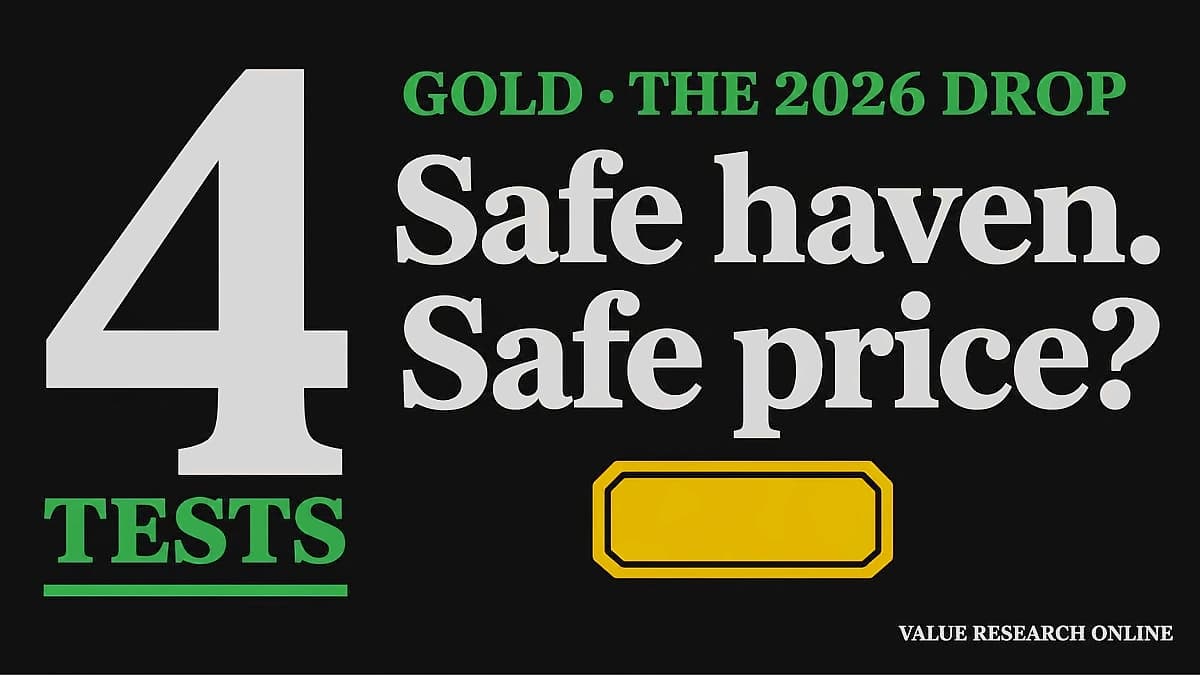
Gold's performance as a safe-haven asset in 2026 has been mixed, with the precious metal failing two of four key tests and achieving only a half-pass on a third test. According to reports from the analysis, this performance pattern suggests that gold's traditional safe-haven characteristics may be showing signs of weakening in the current market environment. Recent market events have further highlighted these concerns, with gold prices falling alongside stocks in late October and breaking through technical support to hit fresh yearly lows. The common thread is the Fed, with hot inflation and talk from officials of a larger hike next month hardening the market's hawkish bias.
The current weakness stems from artificial intelligence investment boom, soaring bond yields and expectations for higher interest rates that have sapped demand for bullion. Gold has been **trending lower since late August, when Fed Chair Kevin Warsh warned that the central bank had
The extended recovery timeline raises critical questions about portfolio diversification strategies and risk management approaches. Goldman's 16% upside call suggests that longer-term buyers may see the current weakness as an accumulation opportunity, though the near-term risk remains a self-reinforcing slide if ETF holders continue selling. The findings suggest that investors should consider more sophisticated approaches to safe-haven allocation based on the latest performance data and the reality that traditional havens may not perform as expected during market stress scenarios. If history is any guide, 2027 will look increasingly like 2022, with rising Fed policy rates weighing on private investor demand but structural central bank buying providing support under gold.