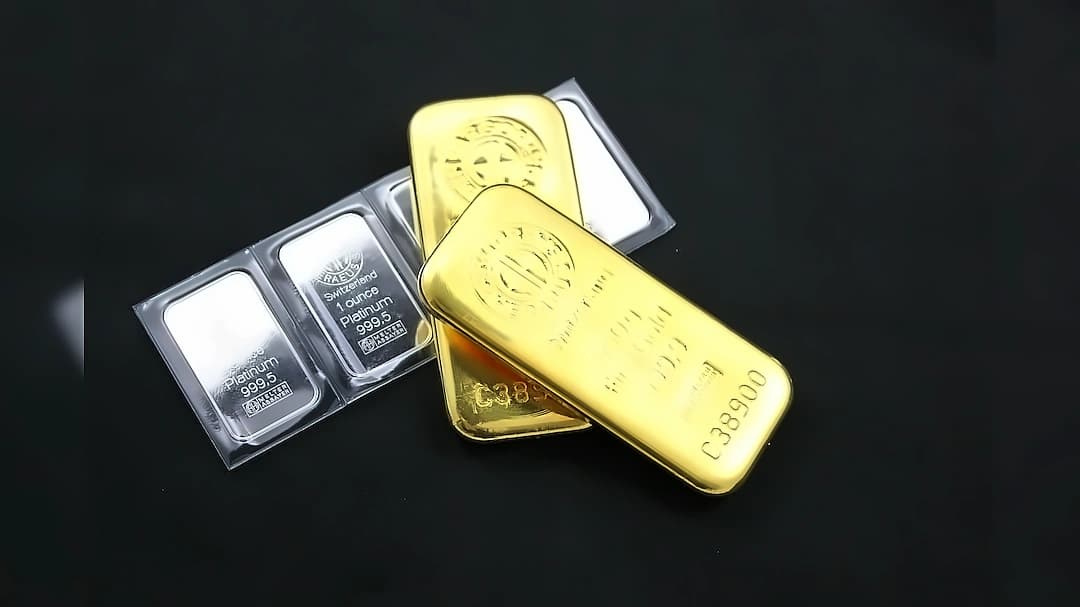
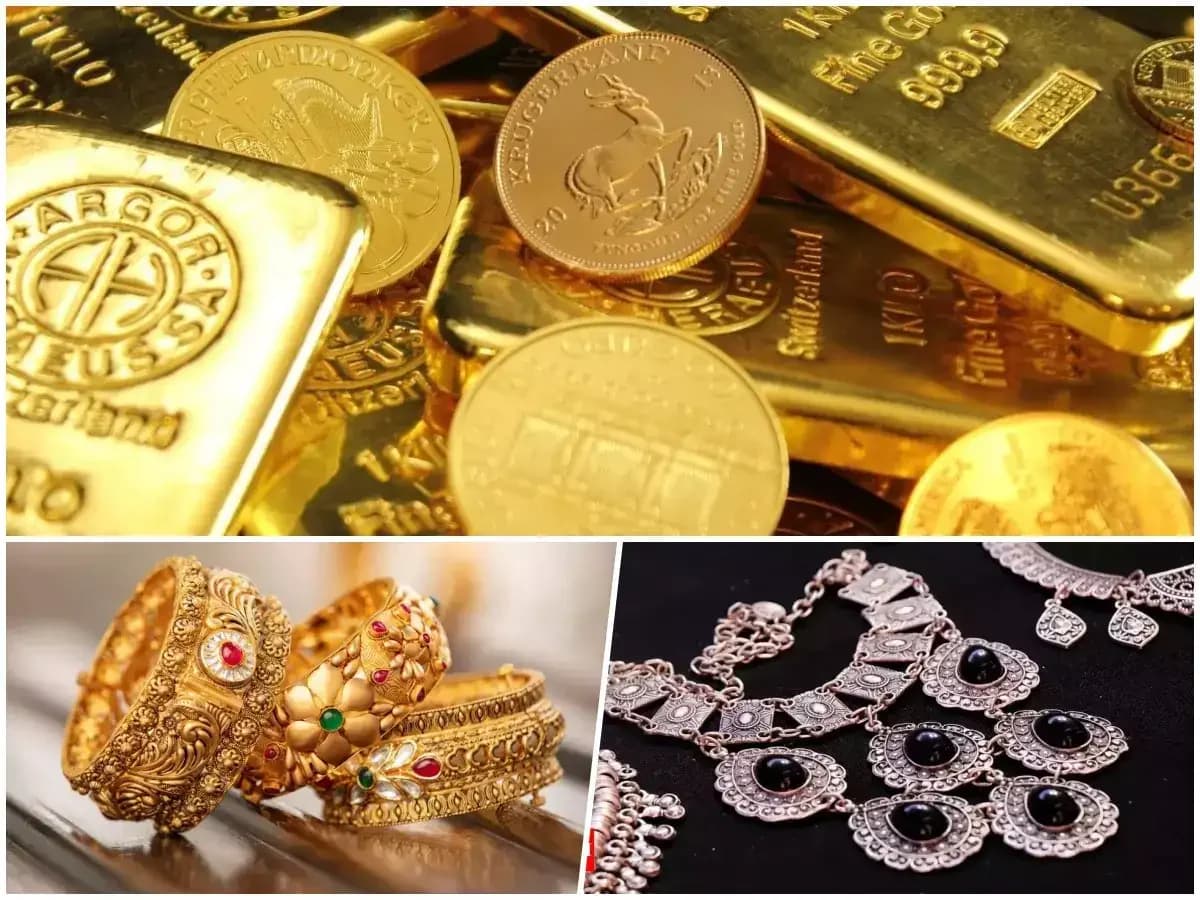
Gold prices in India have experienced significant volatility, with Gold May futures dropping ₹809 to ₹1,52,458 and Gold June losing ₹751 to ₹1,54,066, as reported by The News Strike. The precious metal faced downward pressure due to broad-based profit booking activities across commodity markets, with bullion traders trimming war-premium positions as immediate global risk concerns ease. Silver contracts experienced even steeper declines, with Silver May futures crashing ₹2,632 to ₹2,50,118, making it the day's biggest absolute loser, while Silver Mini fell ₹2,251 to ₹2,51,230 and Silver Micro slipped ₹2,205 to ₹2,51,200. Recent developments show MCX silver has fallen nearly 47% from its peak, reflecting continued profit booking amid geopolitical tensions, with prices dropping significantly on April 2 with futures down 4.48%. Latest data from LiveMint confirms that gold prices fell 10% since the onset of the US-Iran war towards the end of February, with gold futures trading on MCX slipping by ₹353 to ₹1,54,464 per 10 grams for June delivery on April 15.
Market analysts provide mixed technical outlooks for gold's near-term prospects. Saumil Gandhi from HDFC Securities suggests that in the short term (10-15 days), gold appears to be in a recovery phase, with potential upside toward $5,025–$5,100, provided prices hold above $4,529. On MCX, gold is expected to recover toward ₹159,000–₹161,180 as long as it sustains above the ₹147,100 support level. Om Mehra from SAMCO Securities believes gold has faced clear rejection near its recent highs, forming a strong zone around the $5,500 level on global charts, with $5,200–5,100 acting as immediate hurdle and $4,600–4,500 as key support zone. From a medium-term perspective, spot gold is likely to consolidate within a broad range of $4,150–$5,250, while MCX gold may trade between ₹142,300 and ₹161,100. Recent trading shows gold futures trading on MCX slipping by ₹353 to ₹1,54,464 per 10 grams due to lower demand in the spot market, with investors booking gains after gold reached a one-month peak.

The decline in gold prices was primarily attributed to dollar volatility, as reported by Mint. The US dollar's unstable performance created uncertainty in commodity markets, with investors adopting a wait-and-see approach. This dollar volatility has been a key factor influencing precious metals trading in recent sessions, contributing to the current selloff in precious metals contracts. Recent market movements show gold prices retreat as Trump threatens further attacks on Iran, with the dollar climbing as Trump's speech shatters ceasefire hopes and lifting crude oil prices, adding pressure on precious metals. Mohit Gulati from ITI Growth Opportunities Fund noted that despite geopolitical noise, a resilient dollar makes gold expensive for foreign buyers, with a stronger US dollar adding extra strain on gold prices as it becomes pricier for those purchasing in other currencies.
According to Mint reports, gold prices have been declining since the US-Iran war started, creating additional pressure on the precious metal. The ongoing geopolitical tensions have contributed to a risk-off sentiment in global markets, affecting commodity demand patterns and investor behavior toward safe-haven assets like gold. Recent developments show Trump's speech shatters ceasefire hopes in West Asia, with Trump threatening further attacks on Iran and offering no clear end date for the conflict, keeping geopolitical tensions elevated and weighing on precious metals markets. US President Donald Trump indicated that talks to end the Iran conflict could resume in Pakistan over the next two days following the breakdown of weekend negotiations, providing some hope for renewed peace negotiations that could influence safe-haven demand.
Experts attribute gold's recent decline to multiple interconnected factors despite ongoing geopolitical tensions. Higher interest rates offer investors positive returns and reduce gold's appeal, while higher crude oil prices may push central banks to hike interest rates, which does not bode well for non-yielding bullion. Rising bond yields increase competition by offering more attractive returns on fixed-income investments, leading to a move away from non-yielding assets like gold. Profit-booking by institutional investors after the recent rally represents a classic "sell-the-news" move, while ETF outflows signal weakening investor conviction. Liquidity needs during market distress may trigger selling as investors liquidate gold to secure liquidity or fulfill margin calls. Mohit Gulati emphasized that geopolitics creates headlines, but fundamentals create price, noting that "every reserve currency in world history has eventually fallen, but gold has outlasted them all," maintaining his long-term bullish view despite the current correction.