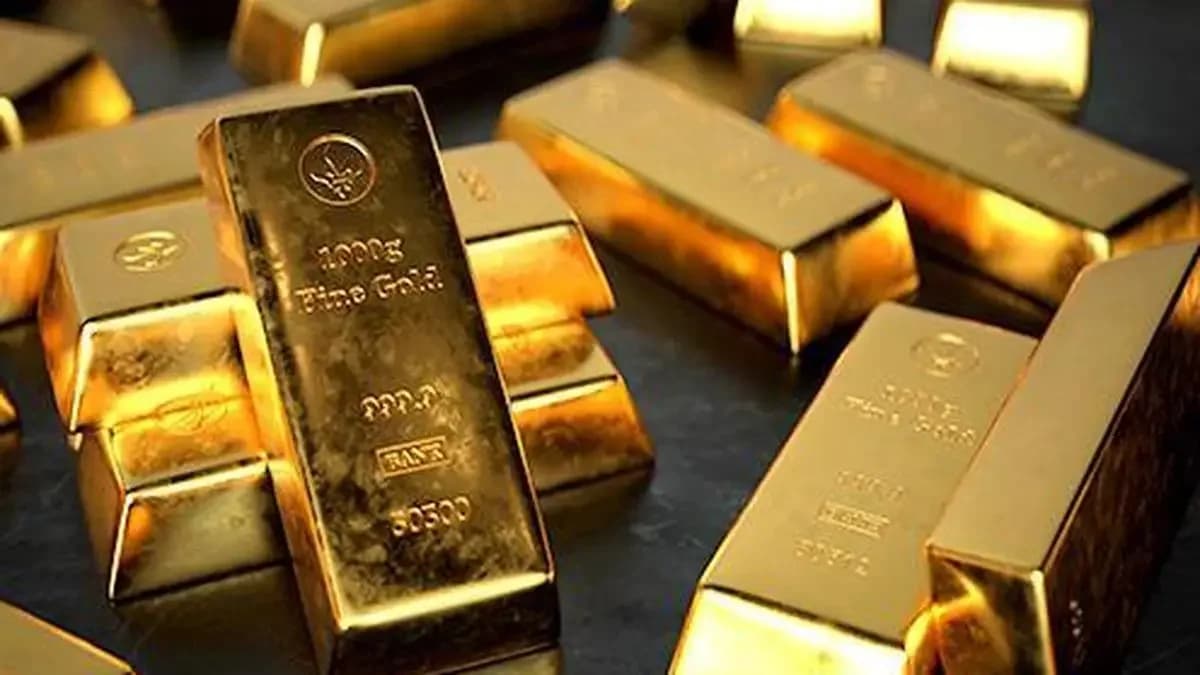
Gold prices showed signs of recovery on Thursday, with spot gold rising 0.4% to $4,738.52 per ounce as of 4 p.m. New York time, according to Bloomberg. This represents a reversal from the previous session's decline when gold fell 0.7% to $4,750.10 per ounce. The precious metal had faced pressure from elevated oil prices that have fueled inflation concerns and expectations of prolonged high interest rates. As per MUFG's Soojin Kim, while the conflict continues to disrupt energy supplies and fuel inflation risks, expectations that central banks will keep interest rates elevated remain a key headwind for bullion.
Brent crude oil prices remained above $100 per barrel after larger-than-expected gasoline and distillate stock draws in the United States, as reported by The Hindu BusinessLine. The international oil benchmark rises 2% to $100.47 a barrel, while WTI crude is up 2.1% to $91.56 a barrel. However, West Texas Intermediate crude rose 3.2% to $92.55 a barrel in the latest session, according to Bloomberg. The sustained oil price levels have kept inflation worries at the forefront, with higher crude oil prices potentially stoking inflation by raising transportation and production costs. This development increases the likelihood of higher interest rates, which makes yield-bearing assets more attractive and weighs on gold's appeal as an inflation hedge.
Iran seized two ships in the Strait of Hormuz on Wednesday over alleged violations following a ceasefire decision announced by the United States, according to The Hindu BusinessLine. The Islamic Revolutionary Guard Corps (IRGC) intercepted the vessels - identified as MSC Francesca, described as 'linked to Israel,' and Epaminodes - for repeated violations including operating without authorization and allegedly tampering with navigation systems. US President Donald Trump extended the two-week ceasefire with Iran to allow time for Tehran to prepare a 'unified proposal,' following a request from Pakistani officials. However, as per Ritterbusch & Associates, the extension removes the immediate prospect of escalation but is seen delaying talks and likely keeps the US blockade intact indefinitely.
Despite ongoing geopolitical tensions, markets are showing resilience as investors focus on strong corporate performance. The S&P 500 rose 1% as of 4 p.m. New York time, with the Nasdaq 100 up 1.7% and Dow Jones Industrial Average up 0.7%, according to Bloomberg. Nearly 80% of the S&P 500 companies reporting first-quarter results have beaten analyst earnings estimates so far, as noted by Bloomberg. Market strategists suggest investors are already starting to look through the Iran conflict and focus on fundamentals, with strong corporate profits, AI capex growth tailwinds, and a resilient US consumer helping to absorb higher gasoline prices better than feared.
A Reuters poll of economists showed the US Federal Reserve will likely wait at least six months before cutting interest rates this year as war-driven energy shocks reignite already-elevated inflation, as reported by The Hindu BusinessLine. Traders now see a 23% chance of a 25-basis-point Fed rate cut in December, down from 28% a week ago. Before the war, there were expectations of two reductions for this year, highlighting the impact of geopolitical tensions on monetary policy expectations. The yield on 10-year Treasuries advanced one basis point to 4.30%, reflecting the market's expectations of continued elevated rates.