Crude oil prices showed sharp upward movements on October 8, with Brent crude futures climbing 1.7% to $101.9 per barrel from the previous close of $100.2 per barrel, according to latest reports from Bloomberg. West Texas Intermediate crude also surged 1.5% to trade at $89.6 per barrel against the previous close at $88.28 per barrel. The price movements come as traders balance stronger crude flows through the Strait of Hormuz against rising Iranian attacks on vessels. The UK Maritime Trade Operations agency has recorded at least nine attacks in the waterway so far this month, already accounting for roughly half the total incidents reported across the Strait of Hormuz and the Persian Gulf in September. Despite these tensions, crude oil has surged this year as the US-Iran conflict disrupted Middle East supplies and heightened inflation concerns, with industry leaders warning that the world has limited buffers left to absorb the fallout.
Domestic fuel prices remained unchanged on October 8 as state-run oil marketing companies continue to absorb price volatility. As reported by NDTV Profit, petrol prices across major cities range from ₹102.12 per litre in Delhi to ₹116.15 per litre in Hyderabad, with specific city-wise rates showing petrol in Mumbai at ₹111.21 per litre, Kolkata at ₹113.51 per litre, Chennai at ₹107.77 per litre, and Hyderabad at ₹115.69 per litre. Diesel prices vary from ₹95.20 per litre in Delhi to ₹104.23 per litre in Hyderabad, with Mumbai at ₹97.83 per litre, Kolkata at ₹99.82 per litre, Chennai at ₹99.55 per litre, and Bengaluru at ₹98.80 per litre. The price differential reflects regional variations in tax structures and local market conditions across different states.
State-run oil marketing companies consider multiple factors including rupee-dollar exchange rate, refining costs, taxes, and dealer margins to determine domestic fuel prices, as reported by NDTV Profit. These companies absorb price volatility, ensuring domestic prices do not change with every global crude price fluctuation. According to the Petroleum Planning and Analysis Cell (PPAC) under the Ministry of Petroleum and Natural Gas, fuel prices vary across cities because the final retail price includes components such as crude oil costs, taxes, retailer margins and other charges. In India, petrol and diesel prices across cities were last altered at the end of May 2026, demonstrating the extended period of price stability despite ongoing crude oil market volatility and geopolitical uncertainties.
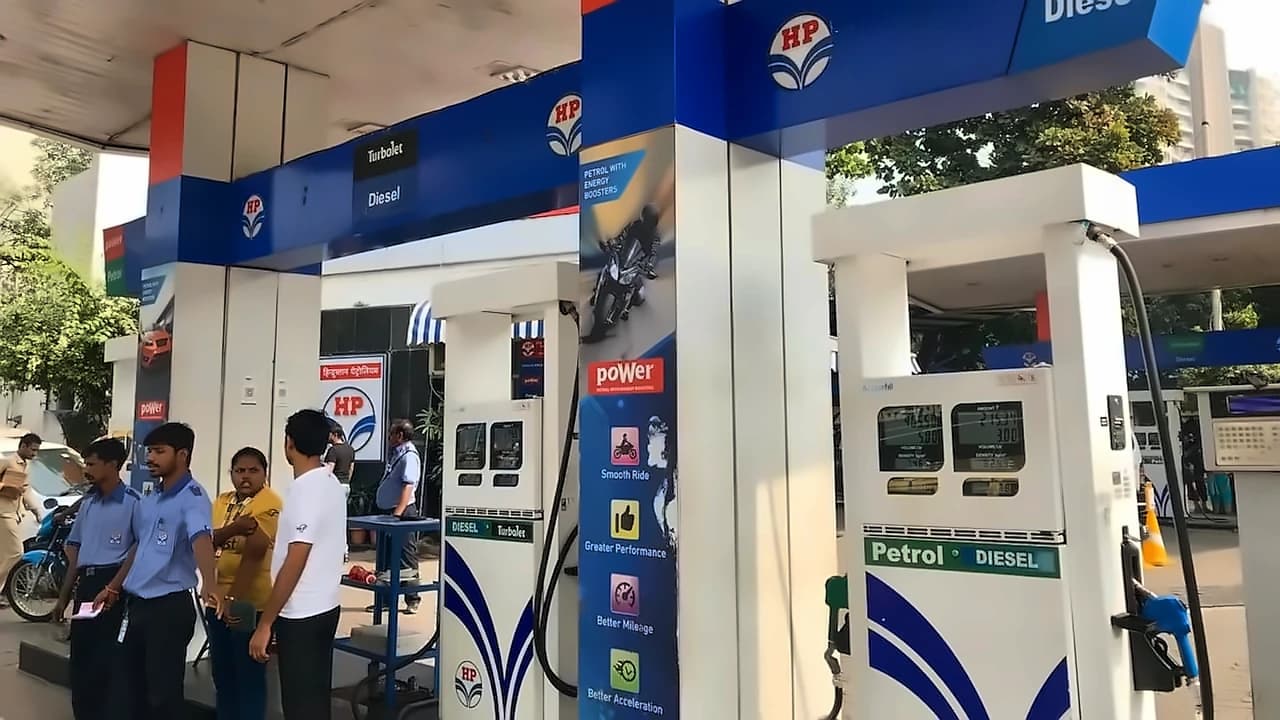
The International Energy Agency is set to discuss plans for a potential emergency release of up to 100 million barrels of crude and diesel stocks pledged by G7 nations on Wednesday, according to Bloomberg reports. This comes as the US crude inventories fell by 2.1 million barrels last week, with the American Petroleum Institute data indicating a decline in gasoline stockpiles while distillate inventories increased. The talks are expected to offer greater clarity on the next steps regarding emergency stockpile releases. Despite these developments, petrol and diesel rates in major Indian cities remained unchanged on October 8, demonstrating the resilience of India's fuel pricing mechanism amid global crude volatility and rising international crude prices.