France's wine output is projected to reach its lowest level this century at approximately 34.9 million hectoliters in 2026, according to the latest farm ministry estimates. This represents a 2% decline from last year's poor output and is 14% below the 2021-25 average. The ministry's revised forecast, released on Wednesday, shows an improvement from last month's projection of 33.9 million hectoliters, primarily due to better-than-expected yields in the Languedoc-Roussillon region. The world's second-largest wine producer is facing extreme heat and drought conditions that have severely impacted vineyards across the country.
Production disparities remain significant across France's wine-growing regions, with some experiencing substantial losses while others show resilience. Languedoc-Roussillon has improved its forecast to 2% above the five-year average due to late-summer rains, though it remains below previous levels. In contrast, Champagne harvesting ended towards the beginning of September — the earliest finish on record — with production halving versus both 2025 and the five-year average due to frost, hail, drought and heat. Burgundy-Beaujolais, Loire, Charentes, Jura and the South-East also declined, while Bordeaux region was 10% above last year's disastrous harvest but remained 11% below average as winemakers uprooted vineyards amid falling consumption.
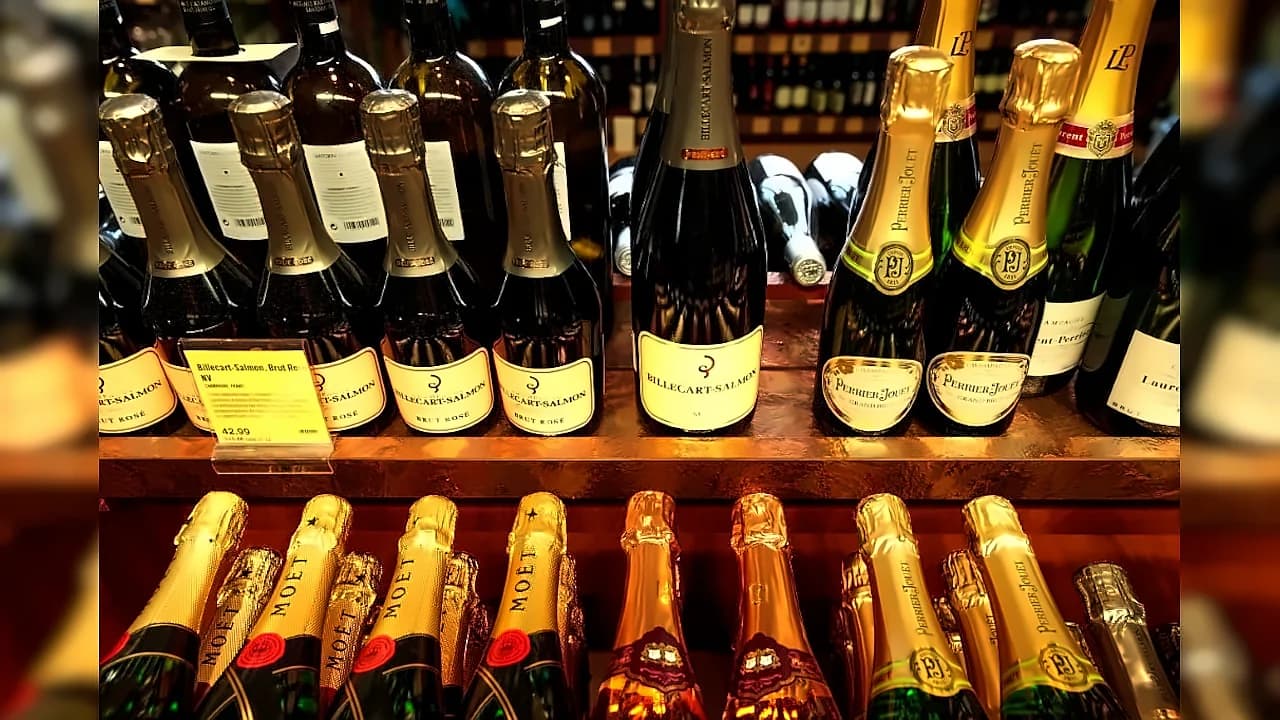
The wine industry continues to face additional pressure from weak global demand amid changing drinking patterns and lackluster economic conditions. According to the ministry, French wine and spirits exports have been declining, contributing to the country's food trade balance challenges. The government has responded to the crisis with an emergency aid package for farmers worth more than €1 billion announced last month. The combination of weather-related production losses and market demand issues is creating significant challenges for the French wine sector, with the industry grappling with dwindling demand amid changing consumption patterns.
The 2024 harvest totaled 36.1 million hectoliters, which was already the lowest since 1957's 32.5 million hectoliters, according to data from the International Organisation of Vine and Wine. The ministry noted that the current 34.9 million hectoliters projection represents a further decline from the already record-low 2024 levels. The fall stems from both reduction in vineyard area and lower yields caused by drought and intense summer heat, as the ministry explained. Champagne output is set to fall by almost half from 2025 levels, while Burgundy-Beaujolais production declined 22% and Loire Valley dropped 7% compared to previous years.