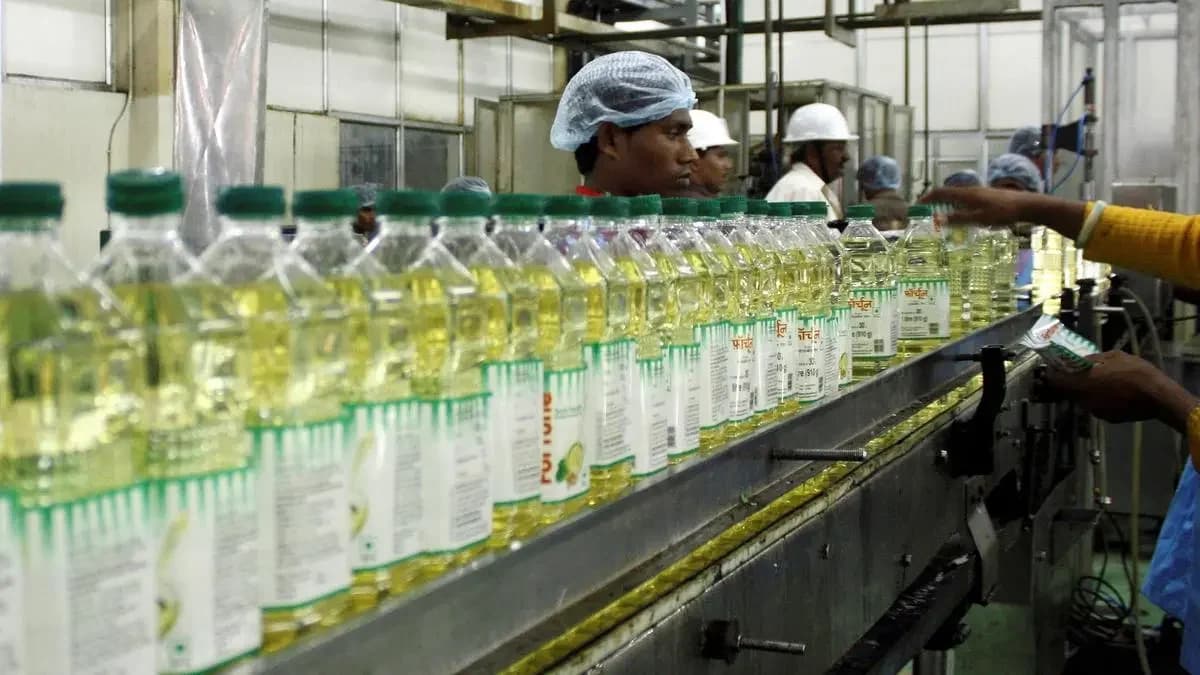
India's edible oil imports increased by 3% to 166.51 lakh tonnes in the 2025-26 fiscal year, up from 161.82 lakh tonnes in the previous fiscal year, according to the Solvent Extractors' Association of India (SEA). As reported by ETRetail, this growth was primarily driven by a significant surge in duty-free imports from Nepal under the South Asian Free Trade Area (SAFTA) agreement. The association noted that the surge in duty-free imports of refined oils from Nepal substantially contributed to the increase in India's total edible oil imports during the year.
Nepal emerged as the primary contributor to India's import growth, exporting 7.36 lakh tonnes of edible oils to India during FY26, representing a dramatic 113% increase from the 3.45 lakh tonnes shipped in the previous fiscal year. According to SEA, refined soybean oil constituted the bulk of Nepal's exports to India, with smaller volumes of sunflower oil, RBD Palmolein and rapeseed oil also traded. The association emphasized that without the SAFTA arrangement, overall imports would likely have fallen short of the previous year's level despite rising domestic demand, even as higher international prices and a weaker rupee against the dollar increased import costs.
India remains heavily dependent on overseas supplies, with domestic production meeting only around 40% of total edible oil requirements. As reported by ETRetail, low oilseed yields, fragmented landholdings, limited irrigation and a policy tilt toward wheat and rice cultivation have constrained domestic output growth. The association highlighted that higher international prices and a weaker rupee against the dollar increased import costs, emphasizing the vulnerability of India's edible oil supply chain to external factors.
SEA called for steps to boost oilseed productivity and encourage domestic value addition to reduce long-term import reliance. According to the association, curbing excess edible oil consumption alongside raising domestic output would help lower import dependence and ease pressure on foreign exchange reserves. The recommendation comes amid Prime Minister Narendra Modi's recent appeal for consumers to moderate edible oil consumption to address the country's import dependency challenges.