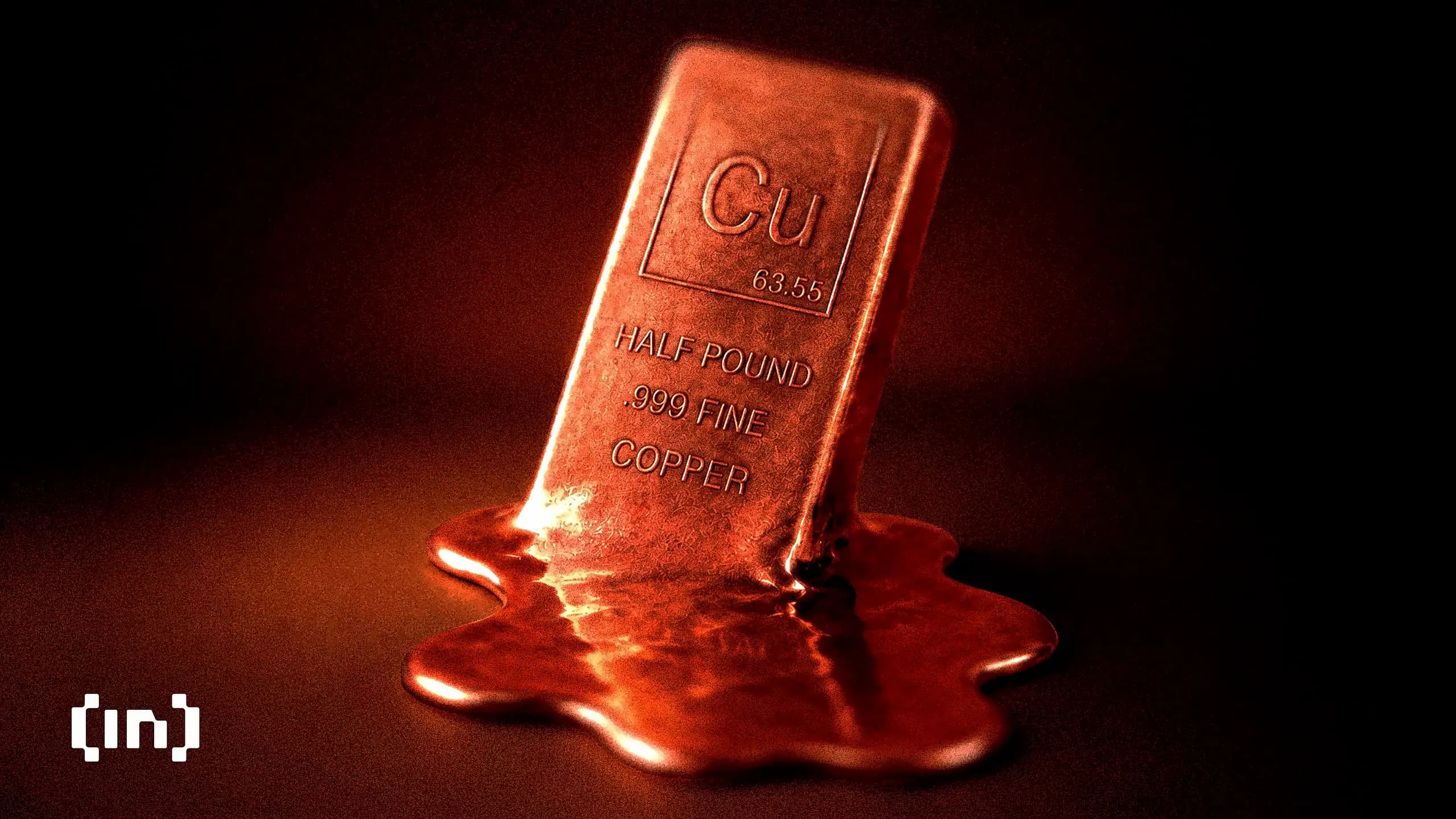
Comex copper futures fell more than 9% this week, marking the worst week of 2026 for the metal. According to reports from Bloomberg, the copper price had slipped to about $5.46 per pound by Friday, reaching its lowest level since March. The crash affected major mining companies significantly, with eleven of the biggest copper miners losing about $127 billion in market value during the week-long decline. However, as per Kotak Neo's Kaynat Chainwala, copper is now more than 20% below its highs, making current levels attractive despite the recent decline.
The selling pressure began weeks earlier as institutional investors reduced their bullish positions. As reported by Saxo Bank's analysis of CFTC data, hedge funds held a net bullish position of more than 80,000 copper contracts in late September, but this position had dropped to about 28,700 contracts by November 17. Billionaire investor Stanley Druckenmiller, already in capital preservation mode, announced on November 17 that he is short copper, further accelerating the fund exodus from the market.
The copper decline is part of a broader AI-driven selloff that has now spread to technology stocks. According to latest market data, the iShares Semiconductor ETF (SOXX) is down 43% from its midyear high, while the VanEck Semiconductor ETF (SMH) is down 40%. Nvidia itself has been cut nearly in half, dropping 48% since peaking just last month, with the decline wiping out nearly $3 trillion in market value. The S&P 500 and Nasdaq have wiped out most or all of their gains for the year, with the S&P 500 down 11.6% and the Nasdaq down 19.9% from their highs.
Analysts remain divided on the primary cause of the copper price decline. According to Bloomberg reports, Albert Mackenzie from Benchmark Mineral Intelligence expressed skepticism about the AI premium, stating his firm had long been concerned about the over-egged nature of AI-driven price increases. However, Saxo Bank's Ole Hansen told Reuters that inflation fears and higher funding costs did the real damage, with AI serving as a trigger rather than the primary driver. The hotter-than-expected October inflation raised bets on a Federal Reserve rate hike and pushed the dollar higher, contributing to the copper selloff. As per Kotak Neo's analysis, the ongoing selloff is being driven largely by macroeconomic factors rather than deterioration in metal fundamentals.
Despite the paper market decline, physical copper markets are showing strong demand from China. As reported by Bloomberg, Chinese importers are paying record copper premiums, while traders have booked several shipments from the US to China. The International Energy Agency forecasts still show a possible 25% shortfall in mined copper by 2035, according to CME Group. According to Kotak Neo's analysis, underlying market conditions in China still indicate tightening supply, with the Yangshan copper import premium nearing $200. Phil Flynn of Price Futures Group noted that the gap between paper and physical markets matters significantly for copper miners and their shareholders, as it depends on whether industrial demand really weakens.