Copper has evolved from a basic industrial metal to a strategic commodity powering the global shift towards clean energy, electric vehicles and digital infrastructure. According to reports from The Economic Times, the metal is increasingly viewed as a critical resource for the global economy's long-term transition, with demand rising faster than supply due to electrification and constrained mining output. The sharp rise in copper prices in recent years reflects growing concerns over future supply shortages and rapidly expanding demand, representing more than a cyclical commodity rally but a structural shift driven by copper's critical role in renewable energy, electric vehicles, power networks, electronics and advanced technologies.
The global economy's move toward cleaner energy and increased electrification is transforming copper demand significantly. As reported by The Economic Times, global refined copper consumption reached about 28.2 million tonnes in 2025 and has been growing steadily for more than two decades. Energy-transition-related sectors are expected to account for an increasingly larger share of total consumption in the years ahead. Renewable energy installations and electric vehicles are among the fastest-growing sources of copper demand, with electric vehicles requiring significantly more copper than conventional internal-combustion-engine vehicles, making the metal a key beneficiary of the global EV transition.
Construction remains the largest consumer of copper, with the metal essential for electrical wiring, plumbing systems, telecommunications networks and urban infrastructure. According to The Economic Times, rapid urbanisation in developing economies and investments in power transmission and distribution networks continue to support robust demand growth. Copper is also indispensable to the digital economy, with smartphones, consumer electronics, data centres, 5G networks and artificial intelligence infrastructure relying heavily on copper due to its superior electrical conductivity. As digitalisation accelerates globally, the metal's importance continues to expand beyond traditional industrial applications.
Global copper mining is dominated by a handful of countries, with Chile remaining the world's largest producer, followed by Peru, the Democratic Republic of Congo and China. Together, these countries account for more than half of global mine output, creating supply vulnerabilities whenever disruptions occur in major producing regions. As reported by The Economic Times, many existing copper mines are facing declining ore grades, meaning more material must be processed to produce the same amount of copper, which increases costs and reduces efficiency. Mining operations are also vulnerable to labor disputes, power shortages, adverse weather events and environmental concerns.
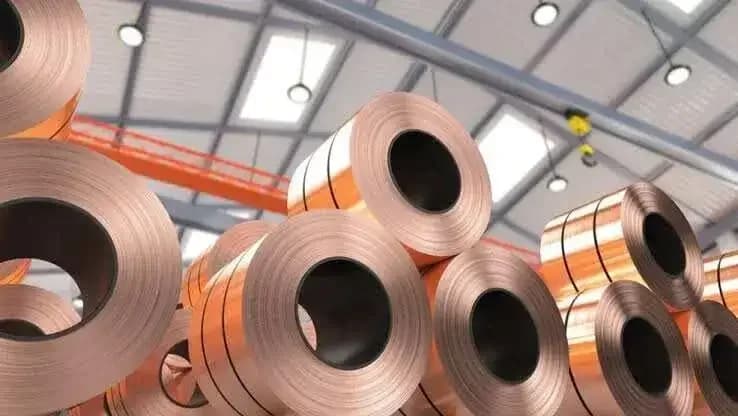
The copper industry faces persistent constraints with new mining projects requiring significant capital investment and often taking 10-20 years to move from discovery to production. According to The Economic Times, resource nationalism, changing mining regulations and environmental restrictions are adding further uncertainty to future supply. While copper recycling is becoming increasingly important in balancing global supply, secondary supply alone is unlikely to meet the rapidly growing demand from electrification and renewable energy investments. The lack of viable substitutes in many critical electrical applications, with copper remaining the preferred metal due to its superior conductivity, efficiency and durability, supports copper's long-term prospects as a strategically important commodity for the coming decade.