The world faces the largest energy security crisis in history as the Middle East war forces countries to scramble for new supply routes and expand domestic energy production, according to the International Energy Agency (IEA). Global energy investment is projected to reach $3.4 trillion in 2026, marginally higher than last year, with the IEA warning this will reshape investment strategies globally with parallels to the oil shocks of the 1970s. IEA Executive Director Fatih Birol stated that the agency is in the midst of the largest energy security crisis the world has ever faced, as nations seek new supply routes and boost domestic production. The crisis is particularly acute for industrial commodities like copper and aluminium, which are experiencing unprecedented demand driven by energy transition and infrastructure expansion requirements.
According to an HDFC Securities report, the commodity bear market from 2011 to 2020 severely damaged the supply pipeline across the resource sector. Mining capex fell more than 40% from peak levels, while discoveries of new tier-1 copper, oil and gas deposits have effectively flatlined since 2015. The Iran conflict has added another layer of pressure, with growing shortage of sulphuric acid, a key input in copper extraction and refining. Nearly half of the world's seaborne sulphur supply originates from the Middle East, and disruptions around the Strait of Hormuz have tightened availability significantly. Chile's changing copper production dynamics have further tightened global supply calculations, as the world's largest copper producer faces operational disruptions, water scarcity and the absence of major new high-grade discoveries. Copper mining projects typically require more than 15 years to move from discovery to production, making supply response slow to current demand acceleration.
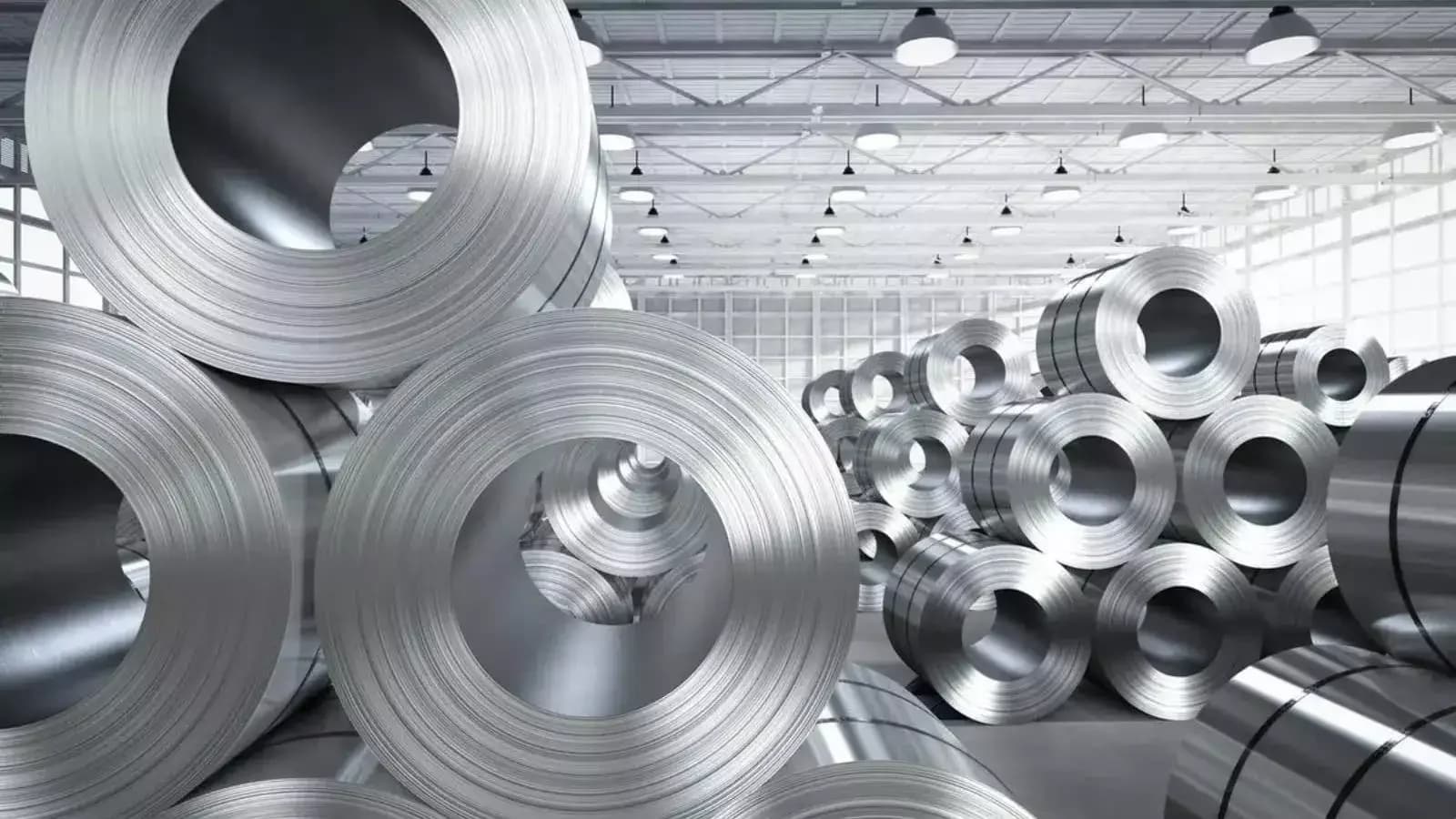
On Wednesday, aluminium prices on the London Metal Exchange surged to a four-year high. According to a Bloomberg report, traders are growing concerned that Chinese aluminium smelters may be asked to curb production as authorities intensify scrutiny of energy consumption and emissions across major industries. Chinese smelters have been operating at full capacity amid a global supply shortage worsened by the Middle East conflict. Aluminium prices on the LME have climbed steadily since the war began in late February, with supplies from the region disrupted due to the effective blockade of the Strait of Hormuz. Morgan Stanley described aluminium as its preferred base metal, citing a tighter demand-supply balance with supply growth constrained by China's capacity caps and slower expansion elsewhere. The brokerage noted that LME inventories remain near historical lows, reflecting tight physical markets and limited buffer against shocks, while near-term factors such as China's supply discipline and elevated energy costs are likely to keep prices firm.
According to Ponmudi R, CEO of Enrich Money, MCX Aluminium continues to remain in a strong primary uptrend with a higher-high and higher-low formation on the daily chart. Rs 391 is the immediate breakout zone, while Rs 380-375 remains a critical support zone. On copper, Ponmudi noted that MCX Copper remains in a strong upward trajectory with bullish momentum holding above key moving averages. Analysts believe India is entering a multi-year growth cycle that is expected to drive robust demand for both aluminium and copper. However, investors will need to remain disciplined on risk management as markets navigate rising macro volatility, USD movements, Chinese demand signals and evolving geopolitical risks. The current setup is particularly powerful due to supply's inability to respond quickly, with every AI data centre, semiconductor fabrication facility, hyperscale cloud project, electric vehicle ecosystem and renewable energy grid expansion requiring enormous amounts of copper. The energy crisis is expected to accelerate this demand further as nations invest heavily in infrastructure and energy security measures.