The traditional Indian investment approach of equities, fixed income, and gold as jewelry is evolving into a more sophisticated portfolio strategy. According to The Hindu BusinessLine, commodities are increasingly being treated as a core component rather than a peripheral allocation. The rationale centers on portfolio diversity, as commodities tend to move independently of traditional asset classes, reducing overall portfolio volatility when market conditions align across different sectors. As per Aditya Birla Sun Life AMC CEO A. Balasubramanian, the core strategy involves 65-70% diversified equity allocation with the remaining portion split between thematic investments and hybrid asset classes. This approach allows money managers flexibility to make strategic decisions across market caps, whether large cap, mid cap, or small cap funds.
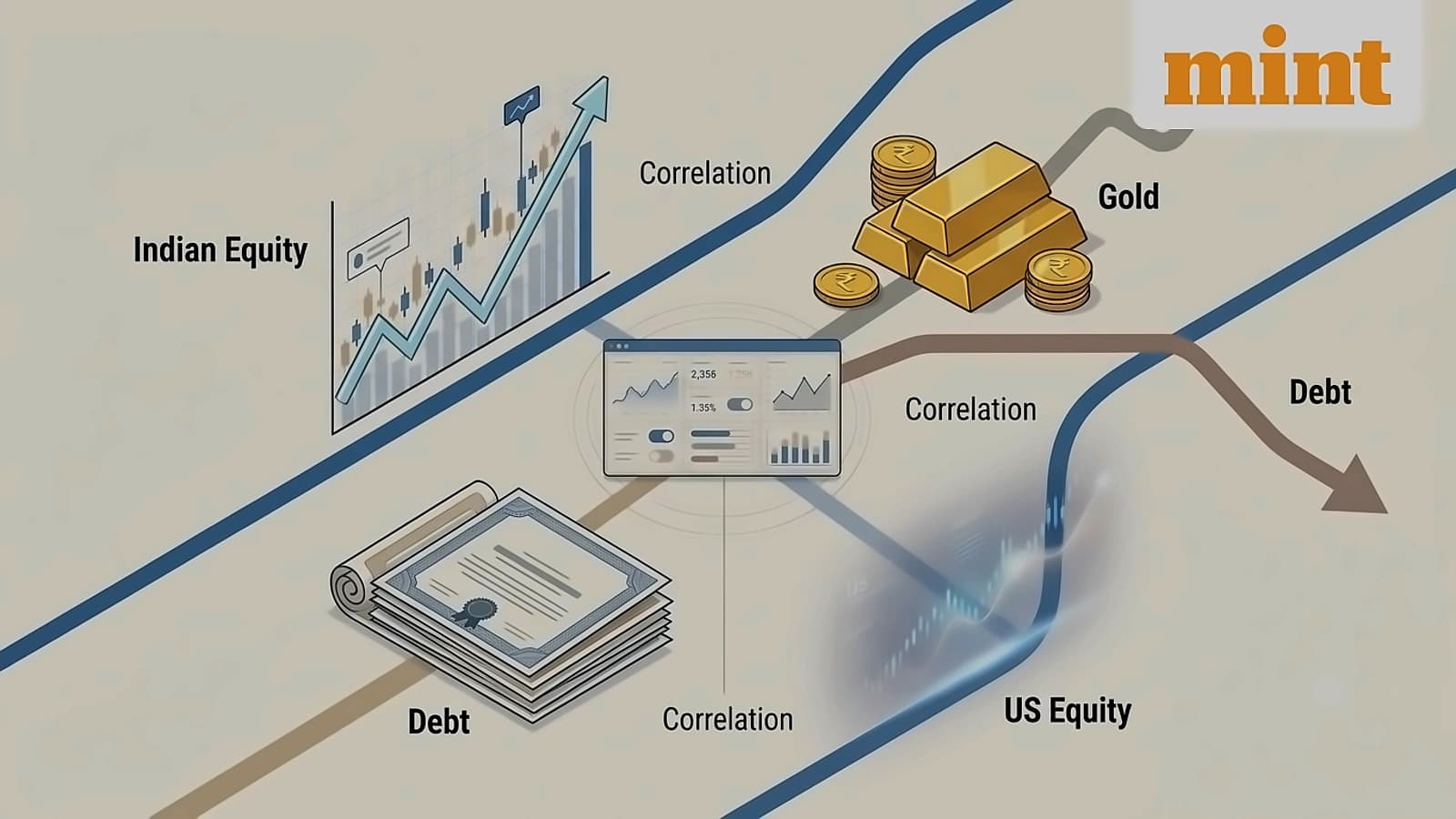
Over the past decade, MCX Gold has moved almost independently of the Nifty50, demonstrating low correlation between the two asset classes over long periods. As reported by The Hindu BusinessLine, this independence provides portfolio diversification benefits, as commodities often perform well during conditions that negatively impact equities and bonds, including high inflation, weak rupee, and geopolitical shocks. Industrial metals have shown similar behavior patterns, creating a complementary risk profile for balanced portfolios. According to Aditya Birla Sun Life AMC analysis, thematic investing should be divided into structural themes (long-term manufacturing) and cyclical themes (infrastructure, banking, IT), with 5-8% of the portfolio allocated to international diversification.

Commodities serve as direct inflation hedges, as price indices that define inflation are built substantially from energy, metals and food. According to The Hindu BusinessLine, owning commodities provides one of the most direct ways to protect a portfolio's real value when prices rise broadly. This characteristic makes them particularly valuable for Indian investors seeking to preserve purchasing power amid persistent inflationary pressures. As noted by Aditya Birla Sun Life AMC, while India has made progress in manufacturing and electronics under the Make in India theme, the spike in oil prices could negatively impact the inflation story, requiring interest rate adjustments.
Indian investors benefit from holding commodities in rupees while gaining exposure to global market forces. As reported by The Hindu BusinessLine, gold, silver, crude oil, and industrial metals are priced in world markets but can be accessed domestically through exchange-traded futures and options. This accessibility is particularly relevant for India, which imported approximately 721 tonnes of gold worth close to $72 billion last year, with most purchases still in physical form. The shift from physical to derivatives trading has made commodity investment more accessible to retail investors. Aditya Birla Sun Life AMC has expanded its product offerings to GIFT City, which acts as a gateway for domestic investors to invest in global markets and vice versa, providing a more efficient alternative to traditional overseas investment channels.
The transformation of commodities from side interest to portfolio staple is driven by India's high growth trajectory as a commodity-intensive country, persistent inflation, and global market dynamics. According to The Hindu BusinessLine, this shift is facilitated by rapid technological advancements that make commodity market entry and access easier. The author emphasizes that commodity derivatives, while leveraged instruments requiring discipline, are no more dangerous than other regulated products familiar to Indian investors, serving as a complement rather than replacement for equities and bonds. As per Aditya Birla Sun Life AMC, India's fundamentals remain strong despite recent market consolidation, with the government and regulators capable of making necessary course corrections to achieve the goal of a $10 trillion economy. The industry evolution shows equity dominance in the first decade, fixed income strength in the second, hybrid funds growth from 2010-2012, and post-COVID equity resurgence driven by taxation changes.