Artificial intelligence is creating a paradox in the energy sector, with AI-driven productivity gains in fossil fuels potentially outweighing emissions reductions from renewable energy, according to a new study published in npj Climate Action. The research, co-authored by former Microsoft managers Will and Holly Alpine, estimates that AI could be associated with fossil fuel emissions equal to about three to 13 times the emissions directly tied to data centers. The study argues that predominant analyses examine the relationship between datacenter energy demand, renewables optimization, and demand-side efficiencies, but insufficiently address how AI also reshapes fossil fuel supply economics. The research suggests that net emissions reductions require renewables gains 4-5x greater than fossil fuel gains, challenging the narrative that AI-driven efficiencies in renewables could offset fossil fuel emissions growth. The models used for the analysis indicate that AI could reinforce fossil fuel incumbency, highlighting how the same AI tools that help avoid emissions also drive productivity gains in oil and gas operations.
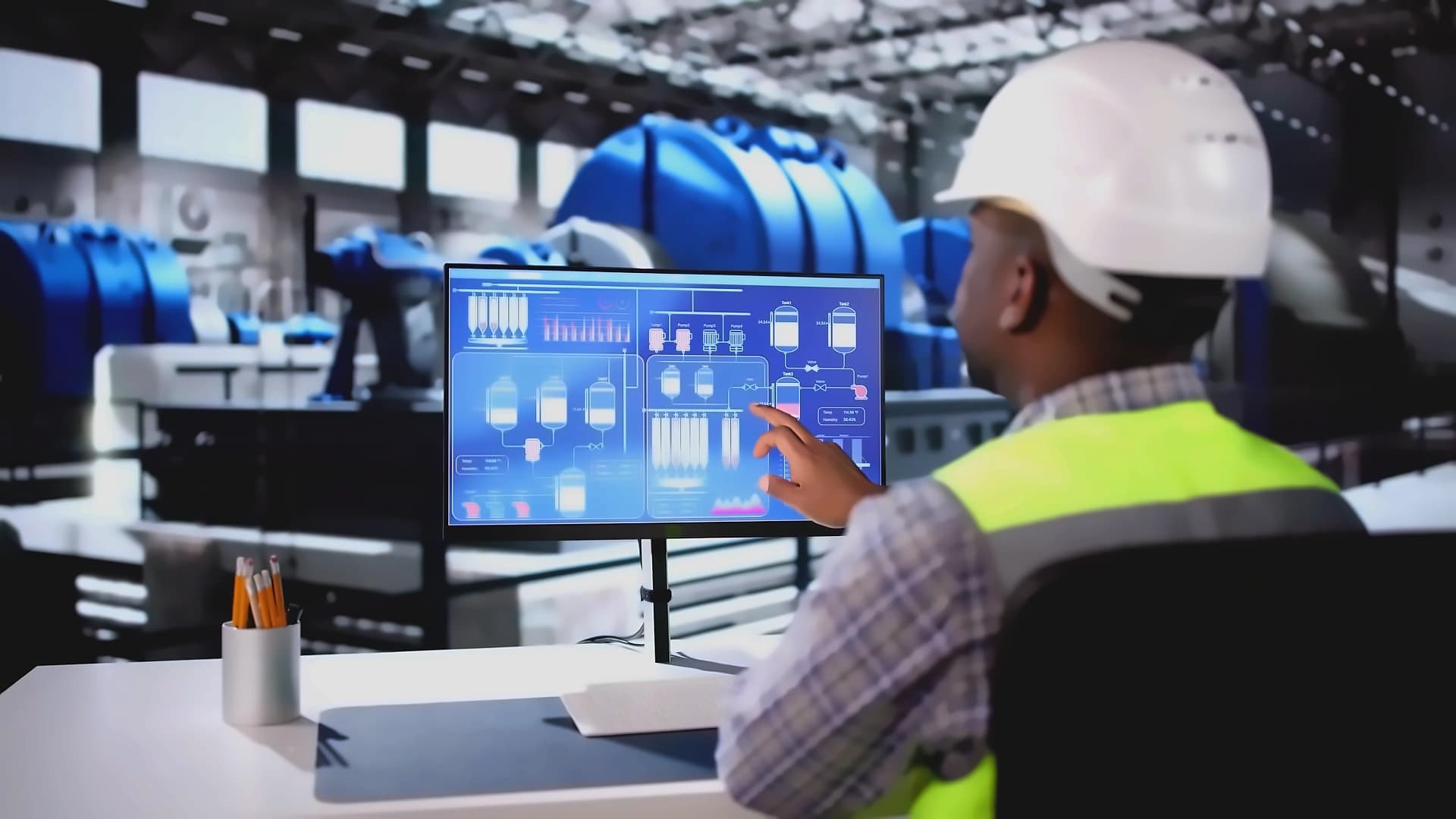
AI and digitalization are expected to create nearly $500 billion in cumulative value for exploration and production (E&P) companies between 2026 and 2030, according to Rystad Energy analysis. The additional value will be captured through cost reductions from more efficient operations, production increases from higher uptime and increased recovery, and compressed development timelines. E&P firms that already invest in digital and AI are expected to capture an additional value of $80 billion per year in 2030 compared to 2025, as reported by Rystad Energy. Cost reductions and production increases would be the biggest contributors to this additional value by the end of the decade. The study highlights that AI-enabled productivity solutions and the resulting efficiency and productivity gains in the fossil fuel industry have often been overlooked, according to the paper published in npj Climate Action.
A massive data center building boom is creating unprecedented demand for fossil fuel infrastructure, with 99 proposed natural gas power plants tracked by BloombergNEF expected to emit about 318 million metric tons of carbon dioxide annually if run at industry-standard rates. According to Bloomberg News analysis, one slice of data center infrastructure has the potential to lift U.S. power sector emissions by 20%, with the entire U.S. electric power industry emitting about 1,485 million metric tons of carbon dioxide last year. The data center developers are turning to bespoke natural-gas power plants as the electricity grid faces reliability concerns and moratoriums on new project approvals. These 'behind-the-meter' plants now cover 99 proposed projects and up to 126 gigawatts of new generation, with more than a third located in Texas, where ample oil and gas resources and forgiving regulatory environment have attracted developers. The projects are spread across 22 states, with the rush for data center power happening on the same grid that serves your home and your investments.
Major oil companies are already deploying AI-enabled tools in their operations, with Exxon Mobil identifying four new discovery opportunities above and beyond what the company previously thought were opportunities in Guyana. According to Exxon's CEO Darren Woods, the company has used AI and training models based on subsurface characterization to analyze the rest of the Stabroek Block offshore Guyana. Chevron's CEO Mike Wirth announced the company would use new AI technology tools in exploration efforts, stating that AI will change cycle time and enable the company to see things previously unseen. As reported by Oilprice.com, Wirth noted that AI will definitely change cycle time, it will change our ability to see things that previously we may not have been able to see, and I expect that it will change outcomes. The study highlights closer relationships between big tech and fossil fuel companies, pointing to Microsoft's 20-year agreement with Chevron involving a massive natural gas plant and Amazon building what Futurism described as the largest fossil fuel plant in the United States.
Wood Mackenzie research suggests that AI could unlock an extra trillion barrels of oil from producing reservoirs globally, with analysts using AI-enabled tools to identify reservoirs where producers could extract substantially more oil. The study emphasizes that AI won't replace subsurface teams at E&P companies, noting that subsurface expertise remains irreplaceable and the two technologies are complementary. The WoodMac analysis "suggests the industry possesses more choices than previously recognised and strengthens operators' negotiating positions with host governments," according to the experts. The findings challenge the assumption that AI-driven efficiencies in renewables could offset fossil fuel emissions growth, as the same AI tools that help avoid emissions also drive productivity gains in oil and gas operations. The study points to a need for tougher scrutiny of partnerships between tech companies and oil giants, arguing that if AI is being marketed as a climate solution while also helping extract more fossil fuels, those contradictions may become harder for regulators and the public to ignore.