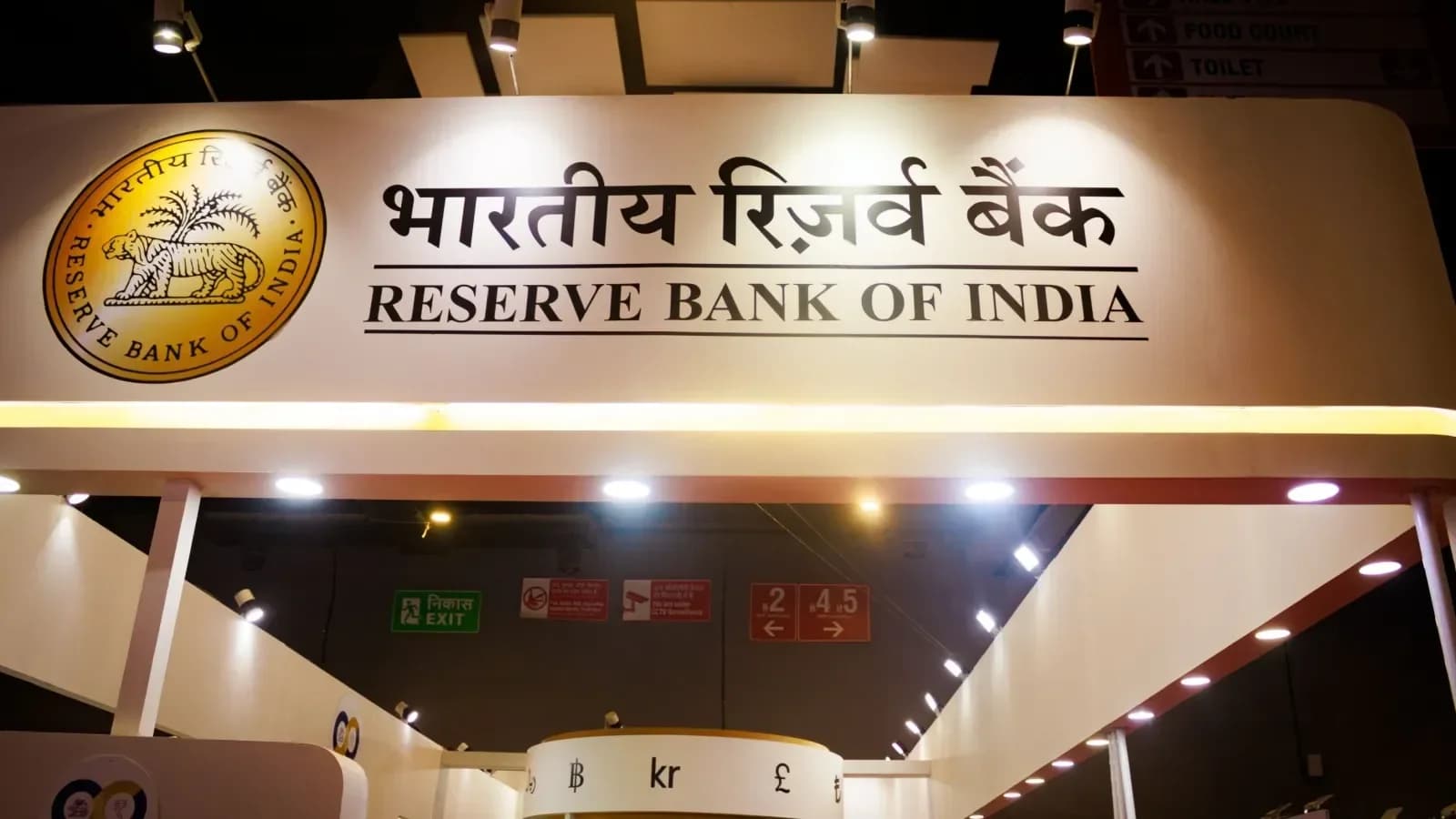
The Reserve Bank of India has accelerated its gold repatriation efforts, bringing home nearly 77% of its gold reserves by the end of March 2026, according to The Times of India. This represents a significant increase from the 65.4% repatriation rate achieved six months earlier. Of the 880.52 metric tonnes of gold held at end-March, the central bank brought back about 680 mt, while 197.67 mt remained in custody with the Bank of England and the Bank for International Settlements. The RBI also holds 2.8 mt in the form of gold deposits. This acceleration follows global events that raised concerns about storing sovereign assets abroad, including the Russia-Ukraine war and the Taliban's takeover of Afghanistan, instances where G7 countries seized foreign currency reserves. The central bank brought 104.23 metric tonnes of gold into the country during the six-month period from October 2025 to March 2026.
The Reserve Bank of India has moved 104.23 metric tonnes of its gold holdings domestically in the six months ended March 2026, according to the half-yearly report on foreign exchange reserves management shared on Thursday. The central bank's overall gold holding increased marginally to 880.52 MT in March 2026 from 880.18 MT at the end of September 2025. The quantum of gold held domestically rose significantly to 290.37 MT in March 2026 from 575.82 MT in September last year and 511.99 MT in March 2025. As reported by The Times of India, gold held in safe custody abroad with the Bank of England and the Bank for International Settlements declined from 290.4 metric tonnes to 197.7 metric tonnes during the same period. The total gold holdings rose in value terms from $97.4 billion at end-September 2025 to $115.4 billion at end-March 2026.
In a significant strategic pivot, the Reserve Bank of India has reduced its deposits with other central banks to 8% at March-end from 25% in March 2022, while increasing investments in securities including US Treasury bills to 84% from 67% during the same period, as reported by The Economic Times. This decision underscores a growing preference for assets that hold global liquidity, prompted by rising geopolitical tensions. The share of deposits with commercial banks fell to a low of 4.2% at the end of March 2023 before rising steadily to 7.2% by March-end this year. India's total foreign exchange reserves increased to $691.1 billion at the end of March 2026 from $607.3 billion at March-end 2022. Madan Sabnavis, chief economist at Bank of Baroda, explained that the valuation of reserves increased as a result of holding US treasuries which have seen values rising, along with principles of diversification and higher returns from deposits kept in commercial banks.
The rally in precious metals prices led to the share of gold reserves in India's forex reserves rising to 16.7% in March from 13.92% six months ago, as reported by The Times of India. Out of the total foreign currency assets of USD 552.3 billion at end-March 2026, USD 465.6 billion was invested in securities, USD 46.8 billion was deposited with other central banks and the BIS, and the balance USD 39.8 billion comprised deposits with commercial banks overseas. During the half-year period under review, total foreign exchange reserves declined to USD 691.1 billion at end-March 2026 from USD 700 billion at end-September 2025. There were minor adjustments in the deployment pattern of foreign currency assets, with investments in securities and deposits with commercial banks overseas ceding some space in favour of deposits with other central banks and BIS. The deployment pattern of these assets remained largely stable with minor shifts.
The RBI's gold repatriation efforts align with a broader global trend among central banks seeking to bolster sovereignty and mitigate foreign custody risks. According to World Gold Council data cited by The Times of India, 59% of central banks stored more gold onshore by 2025, up from 50% in 2020, led by emerging markets wary of sanctions. France's Banque de France completed the transfer of 129 metric tonnes from the New York Federal Reserve to Paris vaults in early 2026, while Germany's Deutsche Bundesbank is weighing options for its 1,236 tonnes in New York. Serbia's National Bank brought back its entire holding of around $6 billion gold stock in July 2025 to avoid global hubs. The RBI maintained a multi-currency portfolio comprising the US dollar, euro, pound sterling, and Japanese yen, with reserves expressed in US dollar terms, demonstrating its continued active management of international financial commitments amid the ongoing shift in gold holdings.