The Reserve Bank of India has proposed harmonising and standardising the regulatory framework governing interest rates on advances across all regulated entities to enhance transparency in lending rates and strengthen consumer protection. According to reports from Zee News, RBI Governor Sanjay Malhotra announced these proposals at the conclusion of the August Monetary Policy Committee (MPC) meeting on Wednesday. The proposed rationalisation aims to harmonise guidelines across regulated entities while maintaining proportionality and address certain operational aspects of the existing framework on the marginal cost of funds-based lending rate (MCLR) and external benchmark-linked lending rate (EBLR). As per The Hindu BusinessLine, the proposed rationalisation will be implemented on a principle-based basis to enhance transparency in lending rates and strengthen consumer protection.
The RBI has unveiled two draft regulations for public comments as part of a comprehensive overhaul of concentration risk and lending norms for Rural Co-operative Banks (RCBs). According to Business Standard, the central bank has introduced new Reserve Bank of India (Rural Co-operative Banks - Concentration Risk Management) Directions, 2026, and amendments to the existing Rural Co-operative Banks - Credit Facilities Directions, 2025. Under the draft framework, the RBI has proposed prudential exposure limits of 20% of Tier-I capital for a single counterparty and 25% for a group of counterparties. A higher limit of 30% of Tier-I capital has been proposed for exposure to a single Primary Agricultural Credit Society (PACS), subject to the relevant state cooperative laws.
The RBI has proposed significant changes to sectoral exposure limits, with aggregate exposure to the sector limited to 15% of total loans and advances. As reported by Business Standard, the regulator has proposed retaining prudential caps while withdrawing existing prescribed sectoral exposure limits, except for the real estate sector. Exposure to real estate other than individual housing loans would be capped at 5%, while the RBI has also proposed capping aggregate unsecured advances at 15% of total loans and advances. The central bank has also set specific housing loan limits based on bank deposit sizes, with banks with deposits exceeding ₹10,000 crore able to sanction housing loans of up to ₹3 crore per borrower, while banks with deposits between ₹1,000 crore and ₹10,000 crore can lend up to ₹2 crore per borrower.
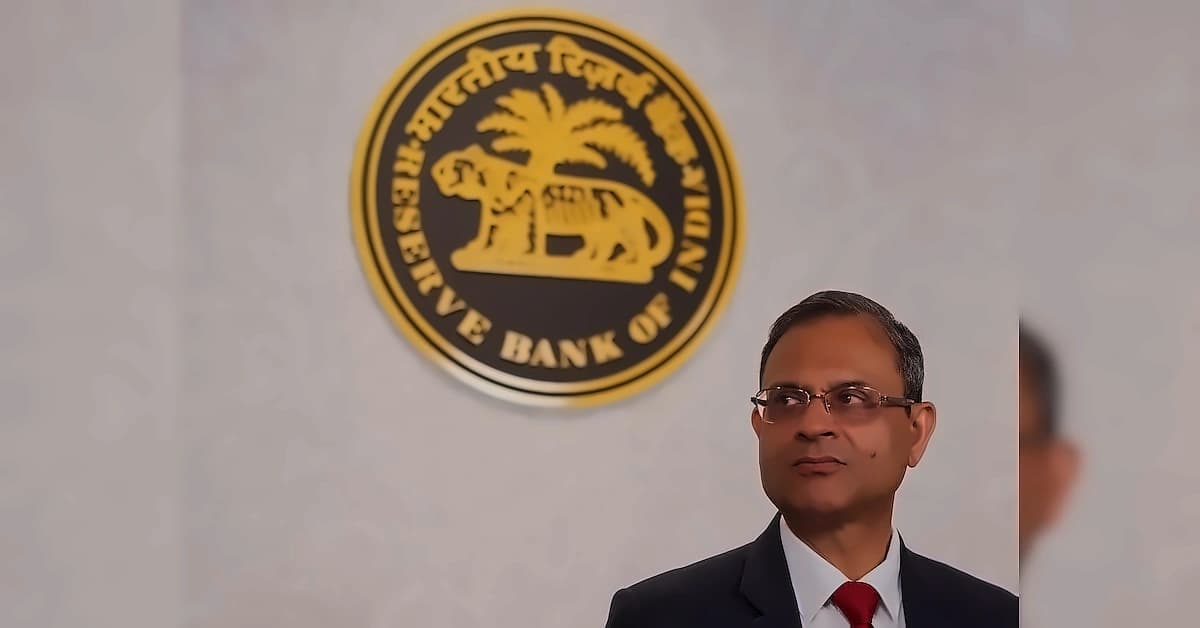
The proposed measures are expected to ensure uniformity, enhance transparency in loan pricing, strengthen monetary transmission and bolster consumer protection. As reported by Zee News, the framework seeks to standardise loan pricing, benchmark reset dates and interest calculation practices while strengthening transparency and consumer protection. According to The Hindu BusinessLine, these measures specifically aim to standardise certain divergent market practices concerning interest charging, including day count convention and benchmark reset dates. The RBI stated that draft directions incorporating these proposals would be issued shortly for public comments, indicating the central bank's commitment to stakeholder consultation before implementation. The move is specifically aimed at improving transparency in lending rates, ensuring greater consistency in lending practices and strengthening consumer protection across all regulated entities.
In August 2017, the RBI had constituted an Internal Study Group (ISG) to examine the working of the MCLR system that was put in place in April 2016. The ISG had recommended the move to an external benchmark based lending rate system. Following this recommendation, banks were asked to link all new floating-rate loans for housing, auto and MSMEs to an external benchmark like repo from October 1, 2019, with the objective to ensure faster transmission of policy rate cuts to borrowers. As per The Hindu BusinessLine, the external benchmarks to which banks are required to link their lending rates could be repo, 3-month or 6-month treasury bill yield, or any other benchmark published by the Financial Benchmarks India Private Ltd (FBIL). Banks are required to reset the interest rate under the external benchmark at least once in three months.