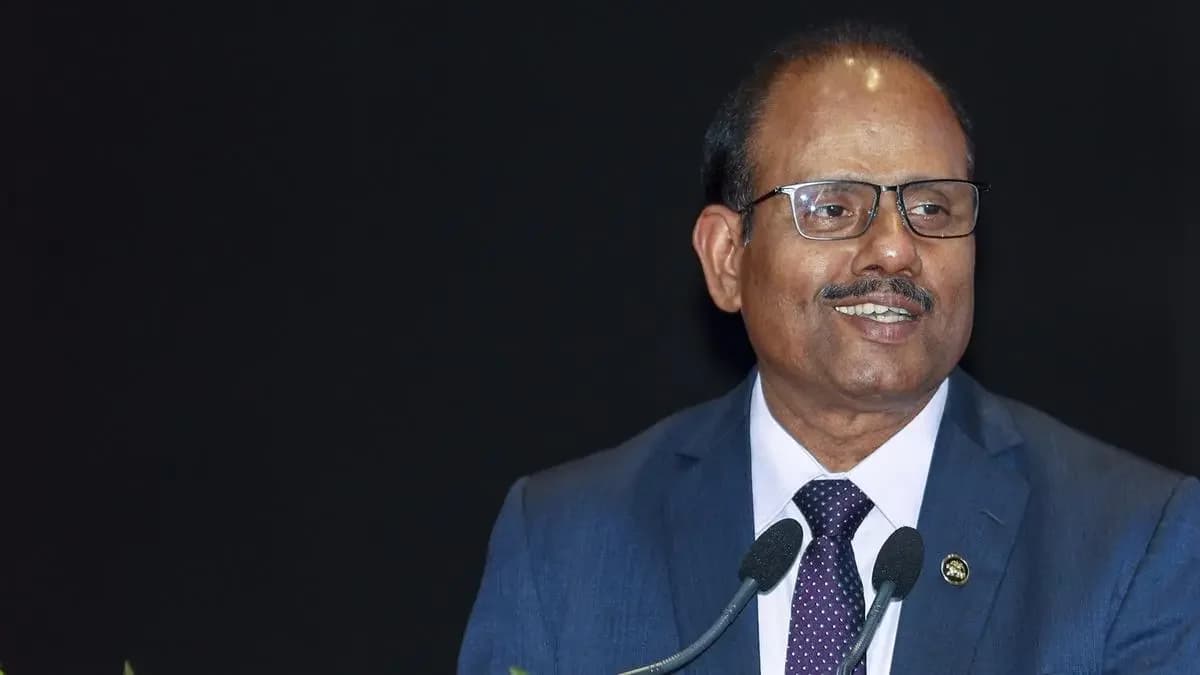
Reserve Bank of India Deputy Governor Swaminathan J emphasized that sustainable banking growth requires sound underwriting, appropriate risk pricing, and clear assessment of borrowers' repayment capacity. Speaking at the Leadership Conference of Indian Bank in Chennai on October 23, 2026, he stated that growth remains essential to the banking sector's role in supporting India's economic development, but its sustainability depends on these fundamental principles. According to reports from Business Standard, the speech was uploaded to the RBI website on Tuesday. Swaminathan noted that growth must be balanced, appropriately funded and consistent with long-term institutional strength, emphasizing that the banking sector's role in supporting India's economic development requires this balanced approach to growth.
Swaminathan highlighted how changing household savings preferences and greater choices among financial products are altering the environment for deposit mobilisation. He noted that banks now operate within a wider financial ecosystem comprising fintech companies, technology platforms and other service providers, creating new opportunities for collaboration while changing competitive dynamics. As reported by Business Standard, he stressed that a stable and diversified deposit franchise is equally important to support expansion during this evolving landscape, with banks needing to adapt to these changing market conditions and competitive pressures. The RBI official's remarks come at a time when the share of bank deposits in household financial savings has declined to 35.5% in FY26 from 39.4% in FY24, according to SBI Research data. These developments call for renewed attention to business models, customer relationships and the strength of the deposit franchise.
SBI Research has recently proposed significant tax adjustments to address the declining share of bank deposits in household financial savings. The research suggests doubling the tax exemption limit on interest earned from savings bank deposits to ₹20,000 from the existing ₹10,000, which would result in revenue foregone of around ₹1,531 crore assuming a flat return on investment of 4%. Additionally, the report proposes replacing the existing tax treatment of term deposits across different maturity periods with a flat rate of 15%, which could result in revenue foregone of around ₹10,500 crore. The combined revenue foregone from these proposed changes would be around ₹12,000 crore. SBI Research noted that without such changes, "the incentives for investment in equities would significantly outweigh the incentives for investment in bank deposits."
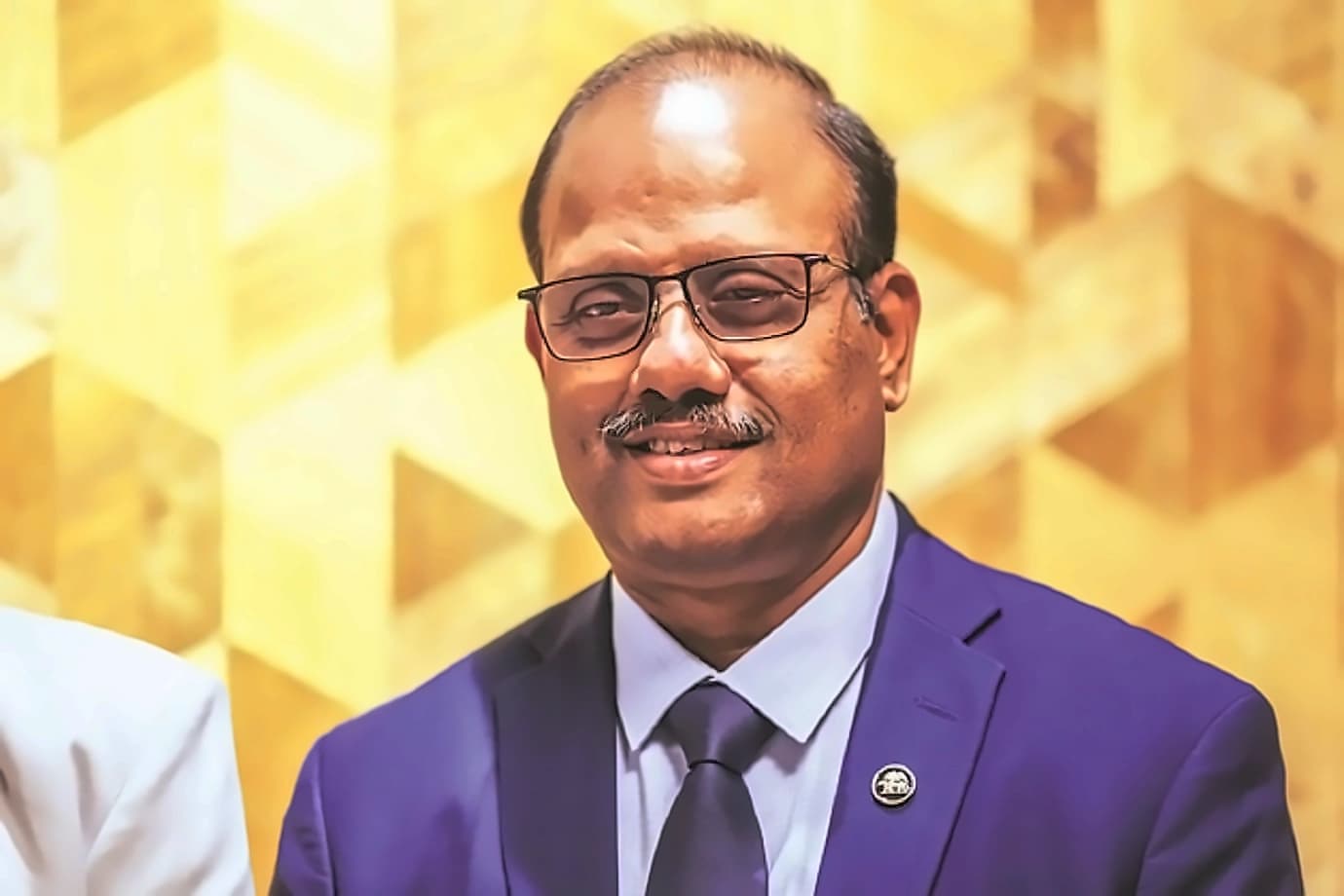
The deputy governor emphasized that one of the most valuable contributions of senior management is to identify talent, entrust people with responsibility and prepare them to exercise independent judgement. According to Business Standard, he stated that this involves more than formal succession planning, requiring creating opportunities for younger colleagues to take initiative, learn from experience and develop the confidence to lead. Swaminathan stressed that governance must be reflected not only in policies and procedures, but also in the quality of decisions taken throughout the institution, with clear accountability, effective internal controls, transparency and willingness to identify and address emerging issues being essential for maintaining public confidence.
The deputy governor emphasized that operational and technological resilience had become as important as credit and market risk. According to reports from Business Standard, he highlighted that cybersecurity, data protection, business continuity and effective oversight of third-party service providers must be integral to institutional planning. He noted that technological developments, including digital payments, artificial intelligence and advances in data analytics, are reshaping banking and customer expectations, requiring banks to harness these technologies to improve customer experience, operational efficiency and competitiveness. The deputy governor emphasized that an institution's reputation is built on how consistently it fulfils its responsibilities to customers and other stakeholders.
According to Swaminathan, the Indian banking system is approaching the task of preparing for future challenges from a position of strength, with improvements in asset quality, capital adequacy and profitability providing a sound foundation. As reported by Business Standard, he noted that the legacy of leadership extends beyond business achievements or individual milestones, lying in the quality of the institution handed over to those who follow. He added that a leader's most enduring achievement may well be an institution that continues to grow stronger long after the leader has moved on, with responsible lending, fair customer treatment and effective grievance redressal remaining central to maintaining public confidence and building institutional reputation.