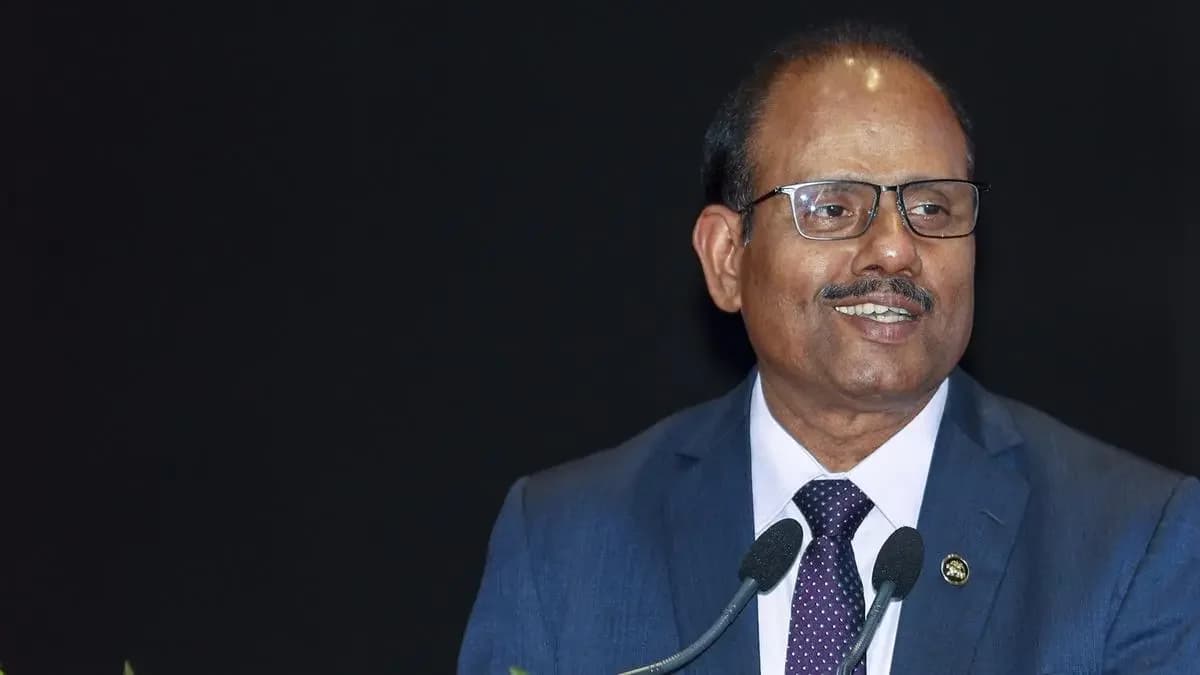
Swaminathan J, Deputy Governor of the Reserve Bank of India, has emphasized the critical importance of empowering Internal Ombudsmen frameworks in Indian banks. According to reports from Business Standard, he stated that this framework represents a simple but important principle-that every regulated entity should have the ability and willingness to resolve customer grievances fairly within the institution itself. The Deputy Governor noted that an effective Internal Ombudsman framework depends on the environment created by the Board and the regulated entity's senior management. He made these remarks while addressing the annual conference of Internal Ombudsmen on July 13, highlighting the importance of this institutional framework.
As reported by Business Standard, the Board sets the tone for the organisation. The Deputy Governor explained that if customer-centricity is viewed merely as a compliance requirement, the grievance redress mechanism will inevitably become a compliance exercise. However, when the Board views customer service as an integral part of good governance, that philosophy permeates the organisation and reflects in every interaction with the customer. He stressed that banks need to empower Internal Ombudsmen, value their independence, and treat their insights as opportunities to strengthen the institution. The Deputy Governor emphasized that the effectiveness of the Internal Ombudsman framework depends not only on the capability and independence of the ombudsman but also on the commitment of an institution's leadership to implement the framework in both letter and spirit.
According to the Deputy Governor's statement reported by Business Standard, the Board and its Customer Service Committee should not view complaint data merely as statistics or management information. He emphasized that complaint trends are valuable business intelligence. Rising complaints in a particular product, geography, delivery channel or process often serve as early warning signals of underlying weaknesses that require management attention. This approach transforms complaint handling from a reactive process into a proactive tool for identifying and addressing systemic issues. The Deputy Governor also stressed that complaints should be used as a tool for institutional learning - rather than focusing only on disposing of complaints quickly, institutions should identify recurring patterns through root cause analysis and strengthen processes, communication, products and internal controls to prevent similar grievances from arising.
The latest developments show RBI Deputy Governor Swaminathan J urging internal ombudsmen to ensure fair, timely and effective resolution of customer complaints to strengthen trust in India's banking system. As reported by The Times of India, the Deputy Governor has expressed serious concern that a significant number of customer grievances that are ultimately resolved in favour of the customer by RBI's integrated ombudsman were never referred to the bank's internal ombudsman in the first place. Highlighting this as a lapse on the part of banks, he stated that "This is a matter of serious concern because it undermines the very purpose of the internal ombudsman framework." He told banks that every complaint that must be referred to the internal ombudsman should be referred promptly and without exception, and emphasized that complaint management systems should be designed to prevent complaints from inadvertently bypassing the internal ombudsman process due to classification issues or process deficiencies. The RBI Deputy Governor noted that if internal ombudsmen perform their role effectively, escalations outside the institution should naturally decline, and stressed that the framework "presents the institution with an opportunity to correct an error, address an unfair outcome and provide the customer with a meaningful resolution."