The Reserve Bank of India (RBI) clarified on Wednesday that its recent actions in the non-deliverable forward (NDF) market are temporary measures aimed at curbing excessive currency speculation stemming from the West Asia conflict. According to reports from The Economic Times, the regulator did not specify the duration of the operational curbs on lenders while indicating that the April 10 deadline for banks to scale back their net open positions to $100 million would not be extended. RBI Governor Sanjay Malhotra emphasized that these measures are not in any sense signalling any structural change, stating the RBI stands committed to the development, broadening and deepening of these markets and the internationalisation of rupee. As per ETLegalWorld, Malhotra confirmed that these measures are not going to remain in place forever, with the central bank maintaining its commitment to the internationalisation of the rupee market.
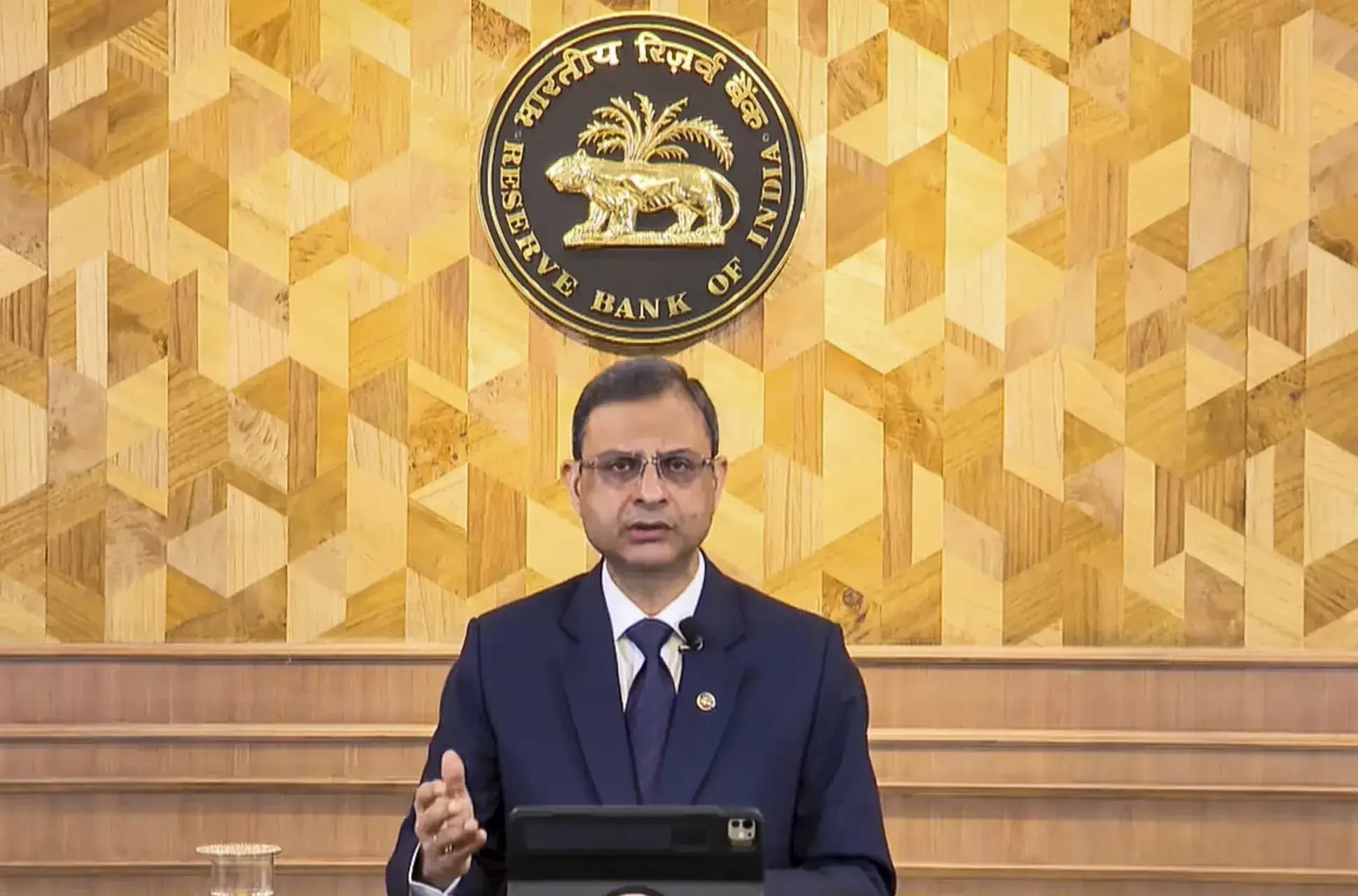
The RBI published two back-to-back circulars on March 27 and April 1, implementing comprehensive measures to control currency speculation. As reported by The Economic Times, the first regulation asked banks to limit their net open position in the forex market to $100 million, while the second regulation curbed corporates from holding any open positions in the NDF market. The central bank subsequently barred banks from offering dollar-rupee NDFs to resident and non-resident clients, seeking to counter trades by companies attempting to capitalise on position unwinding by banks. RBI Deputy Governor T Rabi Sankar explained during the post-policy press conference that these measures were implemented due to disruptive volatility and artificial drying up of supply in the market affecting local prices. After the initial guideline to limit banks' open positions, many banks transferred their positions to corporate clients' books, leading to further intervention.
The rupee has been strengthening consistently after the RBI curbed corporate positions, with the currency closing at ₹92.20/$ on Wednesday as banks rolled back their open positions. According to The Economic Times, the currency had initially weakened to a record low of ₹95.22/$ after the first guideline to limit banks' open positions. The advance was aided by an improved risk sentiment after a two-week ceasefire was announced between US and Iran. As per ETLegalWorld, the rupee strengthened more on Wednesday to about 92.20 after the U.S. and Iran announced a two-week ceasefire. The measures by RBI have helped a struggling rupee, which had lost close to 10% year-to-date before the intervention. The rupee made its best single-day rally of 1.8% following the April 1 curbs, demonstrating the effectiveness of the central bank's intervention measures.
The RBI's intervention came as the rupee weakened to a record low of ₹95.22/$ after banks transferred their open positions to corporate clients' books. As reported by The Economic Times, after the first guideline to limit banks' open positions, many banks transferred their open positions to the books of their corporate clients. The regulator's temporary measures are designed to address the artificial drying up of supply in the market that was affecting local prices. According to ETLegalWorld, the central bank had observed heightened volatility in the foreign-exchange market in recent weeks, with arbitrage trades by banks contributing to price swings. Malhotra emphasized that these measures are not going to remain there forever, with the RBI maintaining its commitment to the development and internationalisation of the rupee market. Experts expect the rupee to average at 92-93 levels in FY27 if global crude prices average $90 a barrel, while the RBI remains vigilant to curb excessive volatility.