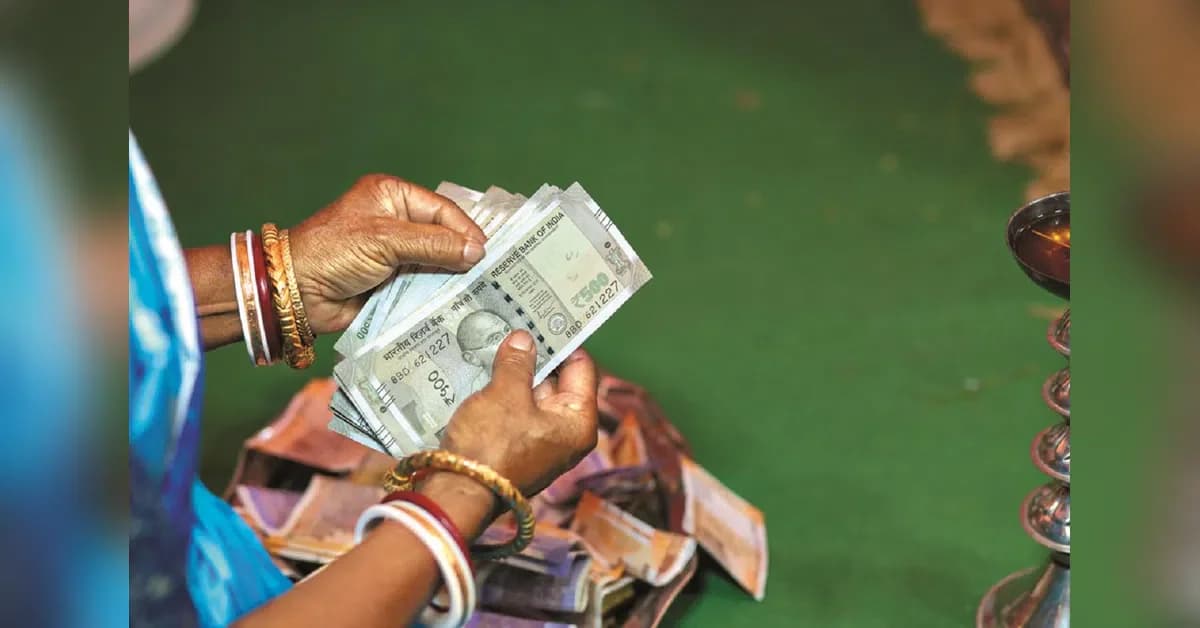
The Reserve Bank of India has initiated consultations with local credit-rating companies to evaluate potential stress among borrowers caused by the US-Iran war, according to people familiar with the matter. As reported by The Hindu BusinessLine and Business Standard, these discussions were aimed at evaluating conditions on the ground so authorities would not be caught off guard if the conflict deepens. The central bank also sought feedback on whether temporary regulatory relief may be needed to prevent a deterioration in borrowers' creditworthiness. The consultations were not meant to signal immediate alarm, with authorities keen to prevent broader credit stress from hurting economic growth.
Oil prices above $100 per barrel are driving up costs across India's economy and adding to pressure on inflation and household budgets, according to the latest reports. However, a potential US-Iran nuclear breakthrough is emerging as a fundamental shift in India's macro-economic architecture. As geopolitical tensions ease and Iranian crude prepares to flood the market, Brent crude is slipping below the crucial $100 mark, transforming inflationary headwinds into tailwinds for corporate earnings and the Rupee. India imports approximately 85% of its crude oil requirements, making this shift particularly significant for the economy. When oil prices breach the $100 mark, India's trade deficit swells, the Rupee faces depreciation pressure, and the RBI is forced into a hawkish stance to combat imported inflation.
To limit the impact of potential war-related disruptions, the government has implemented several measures including raising fuel prices, curbing gold imports and tightening currency-market rules, as reported by The Hindu BusinessLine and Business Standard. In a rare public appeal this month, Prime Minister Narendra Modi urged citizens to avoid non-essential travel to conserve foreign exchange reserves. The RBI is scheduled to release its half-yearly Financial Stability Report next month, though a spokesperson did not respond to requests for comment.
The potential US-Iran deal creates distinct winners across Indian sectors, with every $10 per barrel decline in crude oil prices improving India's Current Account Deficit by approximately $10-12 billion and shaving off nearly 30-40 basis points from the Consumer Price Index inflation. In the decorative paints sector, crude oil derivatives account for 50-55% of total cost of goods sold, with companies like Asian Paints (NSE: ASIANPAINT) and Berger Paints (NSE: BERGEPAINT) experiencing direct margin expansion when crude prices soften. The aviation sector benefits significantly, with Aviation Turbine Fuel constituting roughly 40% of airline operating expenses, making a 10% fuel price drop translate to 500-700 basis point improvement in EBITDAR margins for market leaders like InterGlobe Aviation (NSE: INDIGO). Oil marketing companies like HPCL (NSE: HINDPETRO), BPCL (NSE: BPCL), and IOC (NSE: IOC) are positioned for re-rating as their gross marketing margins turn positive when crude remains below $100.