
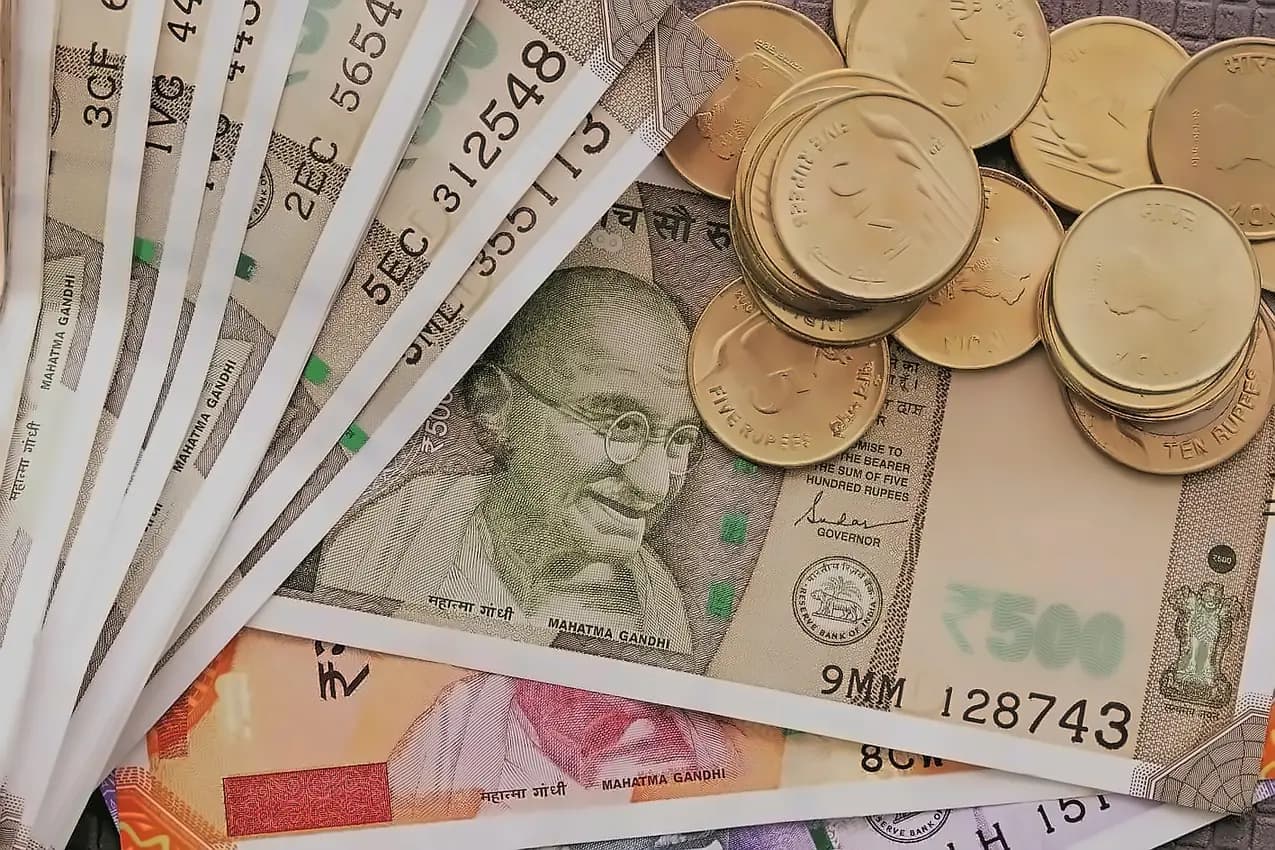


Household debt has reached its highest level in over a decade, climbing to 47.8% of GDP at the end of Q3FY26, according to the Reserve Bank of India's Financial Stability Report. This surge was primarily driven by increased borrowing for housing, vehicle, and gold loans, as reported by Business Standard. The debt accumulation reflects growing consumer demand and expanding credit access across these key sectors.
Despite the record debt levels, the proportion of borrowers with high repayment capacity has shown significant improvement. According to the RBI report, 72% of borrowers now possess strong repayment capacity in FY26, compared to 69.4% in FY25 and 60.6% six years ago. This enhancement in borrower profiles has helped mitigate immediate risks associated with the high debt levels, as reported by Business Standard.
The RBI has issued a cautionary note regarding potential external challenges that could impact borrower repayment capacity. As reported by Business Standard, the central bank warned that global shocks, including the West Asia conflict, could weaken borrowers' repayment ability despite the stronger household credit profiles. This external development represents a significant shift from the positive trends observed through Q3FY26.
The RBI's Financial Stability Report has urged banks to closely monitor retail loans in light of these developments. According to Business Standard, the central bank's warning comes as the banking sector continues to expand credit access across various segments, particularly housing and gold loans. The report emphasizes the need for enhanced monitoring of borrower repayment capacity amid the current economic environment.