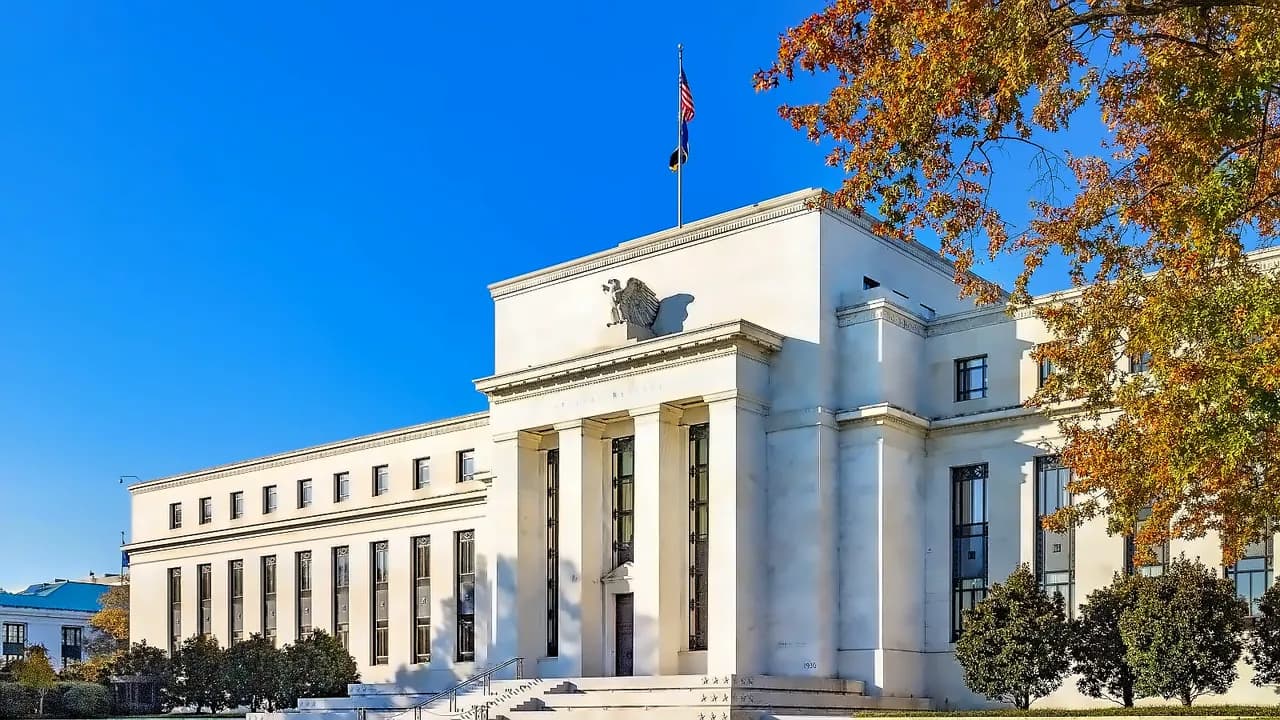
The Federal Reserve is implementing a comprehensive restructuring of its bank supervision system to enhance accountability and decision-making efficiency. According to reports from Reuters, Fed Vice Chair for Supervision Michelle Bowman announced that the central bank will establish five geographic supervisory regions, each headed by a new regional leader. This replaces the current system where regional Fed presidents have responsibility for examinations, with Washington officials setting examination policy while regional banks conduct supervision. As reported in prepared remarks for a conference at the St. Louis Fed, Bowman emphasized that the existing framework weakens the link between responsibility and accountability, with the new arrangement designed to support clearer decision-making authority and implement a culture of accountability and clear decision-making authority. Bowman plans to begin interviewing for those leadership roles early next year, marking a significant step toward implementing the new supervisory structure.
Bowman cited an independent review of Silicon Valley Bank's collapse that she commissioned, which found Fed examiners were slow to act. As reported by Reuters, she stated that the existing structure "disincentivised a critical link between responsibility and accountability." Under the new structure, regional leaders will be responsible for all supervisory activity within their territories, while regional Reserve Bank staff will continue conducting examinations. Bowman also criticized the Fed's reliance on committees for bank supervision, arguing these committees "became a source for plausible deniability and a disincentive for examiners to take prompt and decisive action to address identified risks." She specifically criticized the Fed's extensive use of committees, stating they have delayed responses and blurred responsibility when problems emerge, discouraging prompt and decisive action by examiners addressing identified risks.

The proposed five-region structure would replace the current system where the Federal Reserve operates through 12 regional reserve banks that play an important role in supervising financial institutions in their areas. As reported by Reuters, the new structure would put more emphasis on a system that is coordinated from Washington, making bank supervision more accountable to the Federal Reserve Board. The change could make supervision more consistent across different parts of the country, as banks can be very different depending on their size and business model, with regional banks having different risks from large institutions operating across multiple states. A more centralized approach could reduce differences in how institutions are examined and make it easier for the Federal Reserve Board to set common supervisory priorities. The proposed changes do not mean regional banks will disappear, but rather concerns how supervisory responsibilities are organized to create a clearer structure for overseeing banks across the country.
The Fed will consider revising asset thresholds that determine when banks become subject to stricter regulatory requirements. According to Reuters, Bowman said the proposed changes could allow banks more room to expand before triggering additional capital, liquidity and stress-testing rules. The central bank will examine its fixed-dollar asset thresholds and consider a mechanism to update them every five years to account for inflation and economic growth. Banks have long argued that fixed thresholds become outdated and can impose stricter regulations on institutions not originally intended for such oversight. Any adjustment would have implications across the U.S. banking sector, especially for midsized lenders managing growth near existing regulatory cutoffs. The Fed has also been making changes to stress testing and other banking rules this year, with its 2026 agenda including updates involving stress tests, capital requirements and other banking rules.