
Bank of Japan board member Hajime Takata has warned that policymakers must stay alert to the risk of an inflation overshoot and continue raising interest rates gradually, as reported by Reuters. Meanwhile, Fed's St. Louis President James Bullard has revealed that inflation is almost a full percentage point above target, highlighting growing global inflationary pressures. Bullard noted that half of excess inflation comes from tariffs, which will fade as the year progresses, though he cautioned that inflation could stay higher for longer. His comments underscore the challenge central banks face in balancing growth support with inflation control, with the Japanese yen strengthening following Takata's comments as investors price in higher probability of further rate hikes.
Takata, widely regarded as the most hawkish member of the nine-member board, reiterated his call for gradual rate hikes, having earlier proposed a rate increase in January that was rejected by the majority. In December, the BOJ raised its short-term policy rate to 0.75%, the highest level since September 1995, however, it held rates steady in January, declining Takata's suggestion to lift them further to 1.0%. Takata has emphasized that during the process of normalizing monetary policy, it is desirable for the BOJ to avoid causing market volatility that significantly exceeds the risk premium demanded by market participants. Meanwhile, Fed's Musalem indicated he is willing to cut rates later in the year but will need to see inflation drop before making such moves.
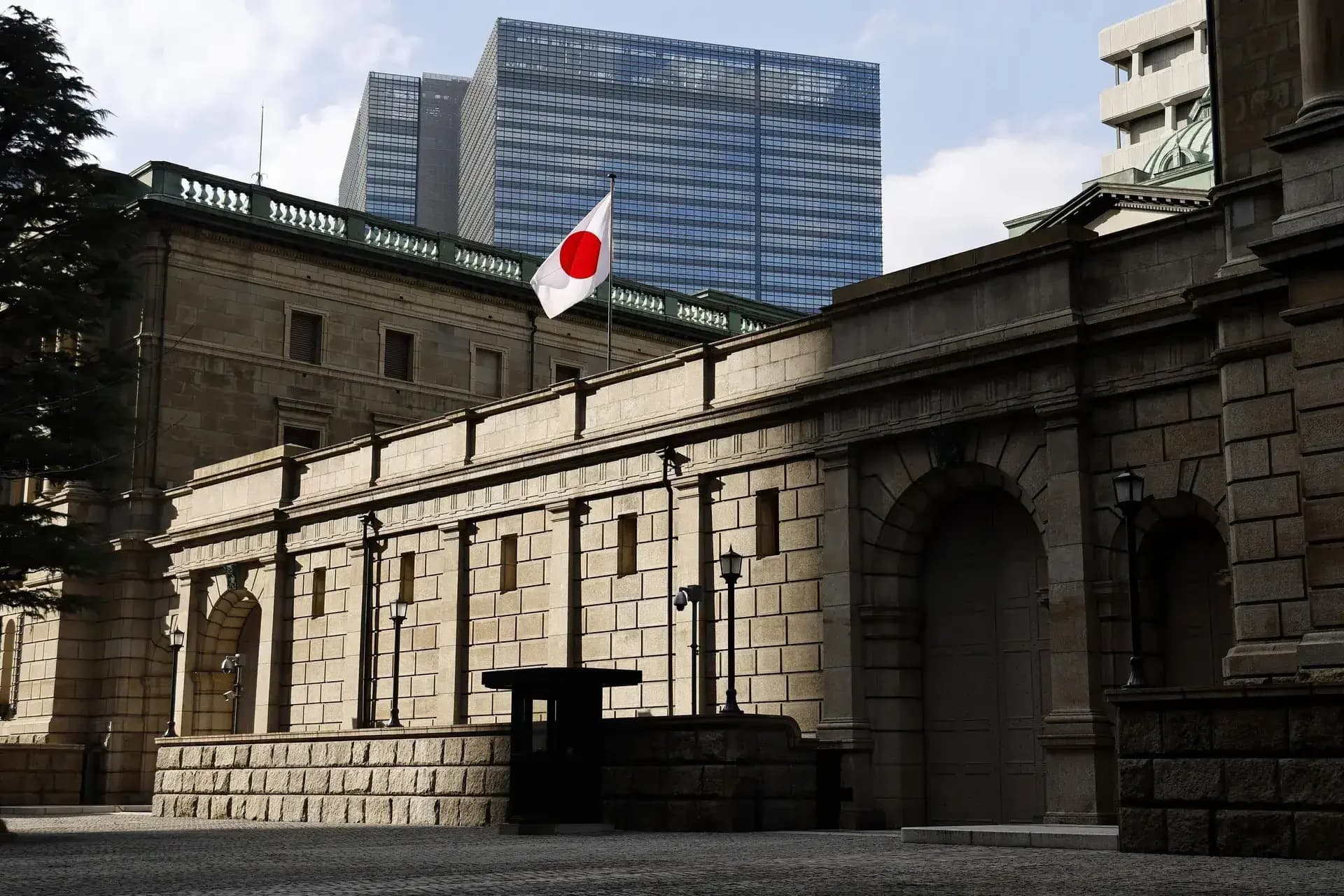
Takata has emphasized that foreign exchange dynamics are increasingly likely to influence inflation in Japan, signaling a shift in the central bank's policy focus. A stronger yen, potentially driven by BOJ rate hikes, could moderate import prices and temper inflation. However, Takata warned that global liquidity conditions and capital flows—shaped by divergent monetary policies abroad—introduce volatility that could complicate inflation control. For instance, Japanese institutional investors holding foreign bonds may repatriate capital if domestic yields rise, altering global bond markets and indirectly affecting Japan's inflation trajectory. The Japanese yen has strengthened following Takata's comments, with EUR/JPY declining below 184.50 during Thursday's Asian session.
According to Livemint, a rate hike by the BOJ could significantly impact emerging markets like India through elevated bond yields and potential unwinding of yen carry trades. Debopam Chaudhuri from Piramal Finance noted that higher Japanese yields could unwind decades-old carry trades and redirect global capital flows, tightening external financing conditions. However, VK Vijayakumar from Geojit Investments believes it will not be a major negative for the Indian stock market, stating that most of the yen carry trade has already been done as a rate hike from the BOJ is fairly discounted. The Bank of Japan is expected to raise interest rates in March and April 2026, with Governor Kazuo Ueda stating the central bank will continue to raise rates if Japan makes progress in achieving its economic and price projections. Markets worldwide will be watching closely to see whether Takata's hawkish minority view becomes the broader policy direction in the months ahead.
For decades, Japan's monetary stance stood apart from the tightening cycles of other major central banks, but Takata's comments highlight that this divergence may be narrowing. If the BOJ continues along a gradual tightening path, the shift would mark not only a structural change for Japan but also a meaningful recalibration of global liquidity dynamics. The Bank of Japan has kept interest rates near or below zero for years to counter deflation, ending its era of negative interest rates on March 19, 2024, when it raised rates to a range of 0 to 0.1% from minus 0.1%. The central bank will wait for data from March and April meetings to make further decisions, with the EUR/JPY cross losing ground to around 184.35 during Thursday's Asian trading session. For emerging markets, the BOJ's policy recalibration represents a significant shift that could reshape global capital flows and external financing conditions throughout 2026.