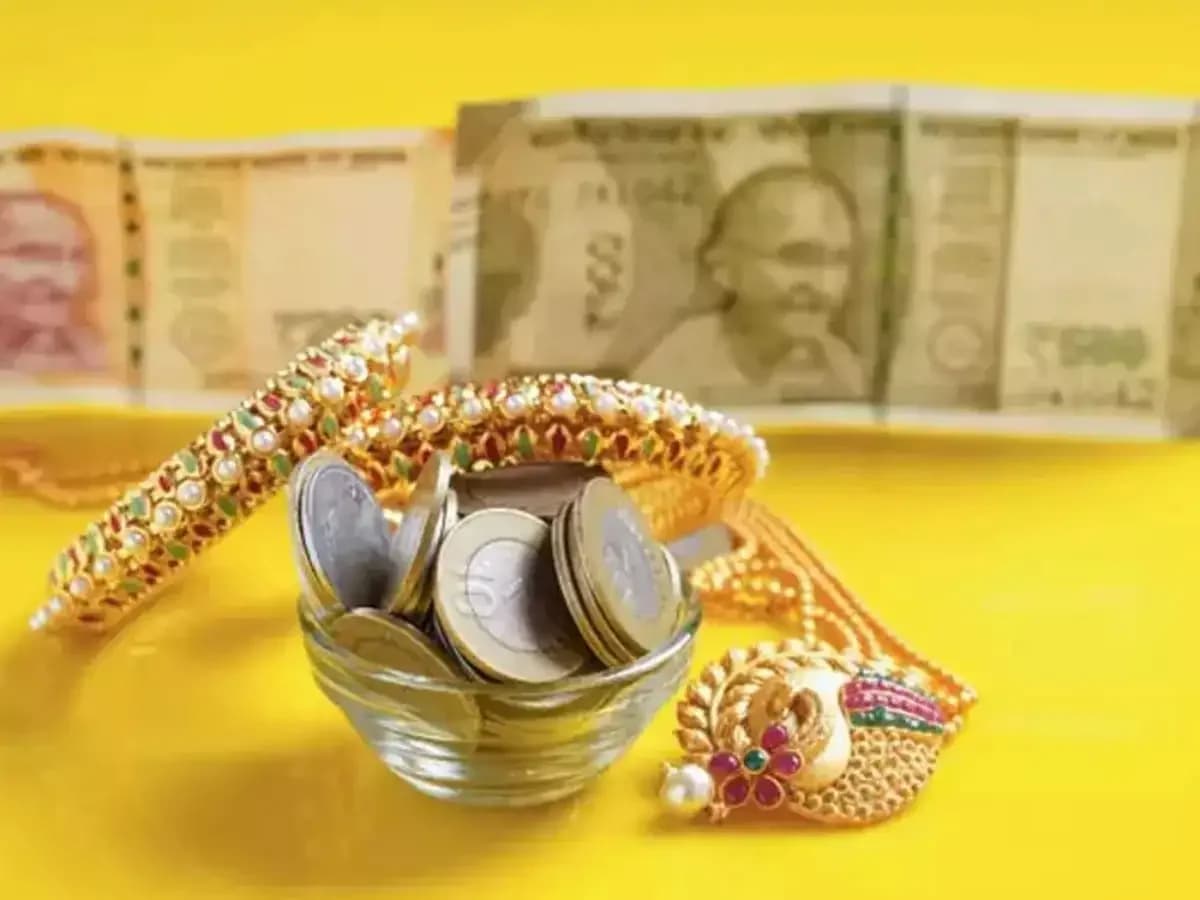
Small Finance Banks have aggressively pivoted toward secured lending in FY26 to stabilize asset quality and earnings, as the bad-loan ratio from unsecured microfinance book remained elevated. According to reports from The Economic Times, this shift involves growing reliance on gold loans, which saw the fastest traction in the financial services sector over the past two years. The sector's cumulative microfinance portfolio contracted in line with reliance on secured loan business, although the bigger SFBs reported sequential growth in lending to bottom-of-the-pyramid borrowers.
ESAF Small Finance Bank demonstrated the most significant transformation, with its secured portfolio share rising to 61% of the asset base at the end of FY26 from 53% a year prior. As reported by The Economic Times, its gold loan portfolio surged 55% year-on-year to ₹8,858 crore, contributing 39.5% of total portfolio and overtaking microloans share of 39%. Jana Small Finance Bank reported a 141% YoY jump in gold loan to ₹2,358 crore, albeit on a low base, while AU Small Finance Bank maintains the largest share of secured portfolio at 92.8%.
The IMF has issued a stark warning about the growing financial instability facing low-income countries, highlighting how global shocks are colliding with weak institutions, rising debt, and fragile currencies. According to the IMF's latest report, many low-income nations are struggling to manage inflation, exchange-rate instability, and external debt pressures simultaneously. The Fund argues that these countries require more flexible and carefully coordinated economic policies than those typically used in advanced economies, as standard economic tools often prove inadequate due to deeper structural weaknesses including weak financial systems, low foreign exchange reserves, and limited institutional capacity.
Several banks continue to face significant stress in their microfinance portfolios amid these global financial pressures. As reported by The Economic Times, Suryoday Small Finance Bank's JLG-based micro loans contracted further to ₹1,512 crore at the end of March from ₹2,062 crore a year prior, with a quarter of its current JLG book turning bad. Utkarsh Small Finance Bank's JLG portfolio contracted to ₹5,789 crore from ₹6,419 crore three months back, while its NPA ratio from micro loans stood at 13.5%. Jana Small Finance Bank maintains a high 16.6% bad loan ratio from its JLG book of ₹3,298 crore.
At an aggregate level, SFBs saw their microfinance portfolio declining to ₹51,800 crore as on March end, from ₹55,700 crore three months prior, while bigger private banks, pure-play microfinance companies and other non-bank lenders grew their respective cumulative micro loan portfolios, according to data from CRIF High mark. The Reserve Bank of India has been urging SFB leaders to diversify their business streams to minimize credit risks, with the central bank returning Ujjivan Small Finance Bank's application for voluntary transition to a universal bank, asking it to diversify loan portfolio further before applying again. The RBI reduced the mandatory priority sector lending target for SFBs to 60% of adjusted net bank credit, down from 75%, creating space for widening their product array.