The government has unveiled ECLGS 5.0 with an unprecedented allocation of ₹2.55 lakh crore in additional credit to support micro, small and medium enterprises (MSMEs) and the airline sector amid ongoing challenges. According to reports from The Economic Times, the scheme was approved by the Union Cabinet on Wednesday to provide liquidity support during the West Asian conflict. The scheme is specifically designed to enable ₹5,000 crore in additional credit for airlines facing short-term liquidity stress.
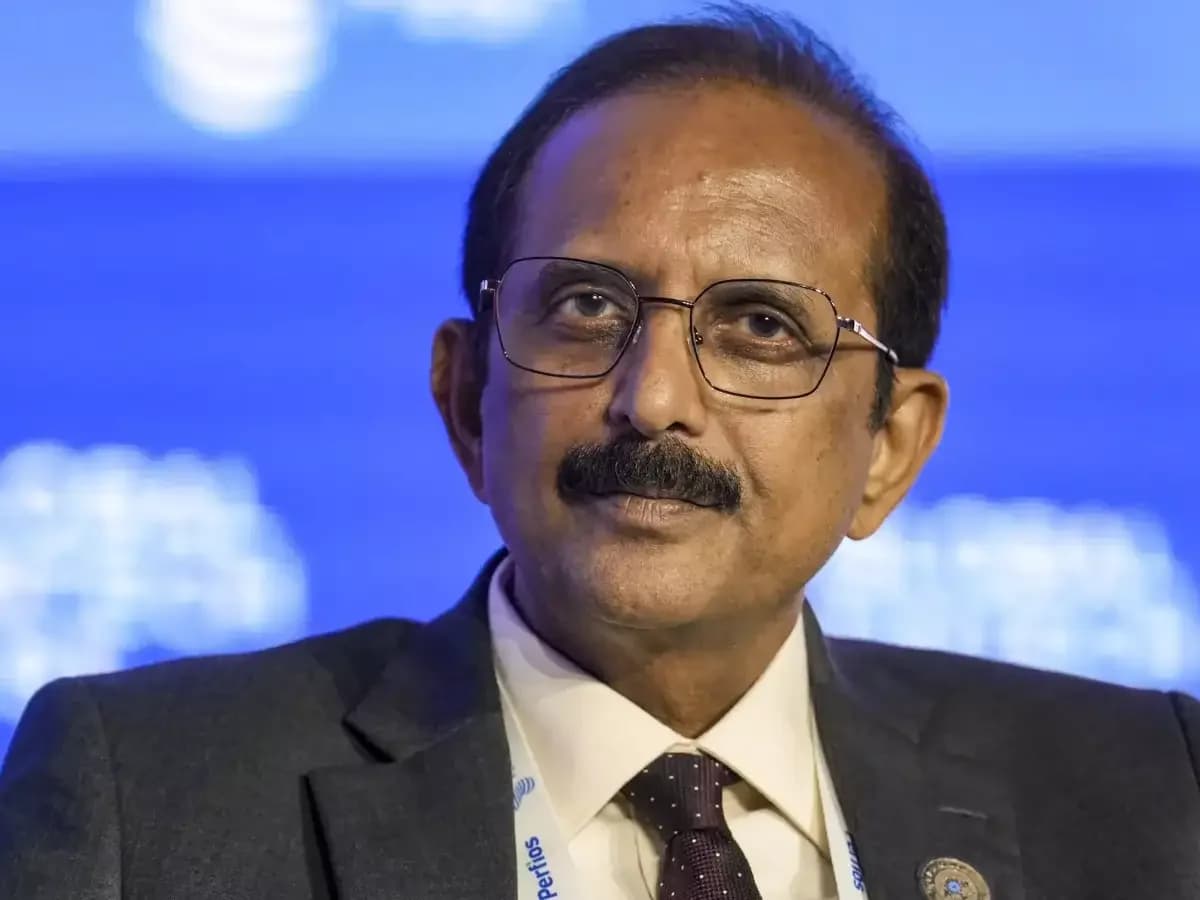
State Bank of India is gearing up to contribute ₹70,000 crore to ₹80,000 crore through the ECLGS 5.0 scheme, as announced by Chairman CS Setty. As reported by The Economic Times, Setty stated that the banking sector is hopeful the scheme can be implemented within the next 8 to 10 days. The government's ECLGS (Emergency Credit Line Guarantee Scheme) allows SBI to provide this substantial credit facility, with Setty emphasizing that "this scheme is available for everyone and it is an opt-in scheme." The bank is working closely with various MSME associations to streamline implementation processes.
The ECLGS 5.0 scheme provides additional credit of up to 20% of peak working capital utilised during the fourth quarter of fiscal year 2026, capped at ₹100 crore for MSMEs and ₹1,500 crore per borrower for airlines. According to The Economic Times, the scheme offers different tenors based on sector impact - five years for MSMEs including one-year moratorium, and seven years for airlines including two-year moratorium. Some sectors including education institutions, defence, horticulture, power, and sugar have been excluded from the scheme.
SBI Research estimates that 1.1 crore MSME accounts (45% of total MSME portfolio) are eligible to benefit from the scheme, with each account receiving an average additional credit flow of ₹2 to 2.3 lakh. As reported by The Economic Times, Financial Services Secretary M Nagaraju described the measure as proactive, stating the government's clear intention to prevent MSMEs from being impacted by the West Asian crisis. The scheme is expected to ensure liquidity support, protect jobs, sustain supply chains, and strengthen the resilience of the Indian economy.