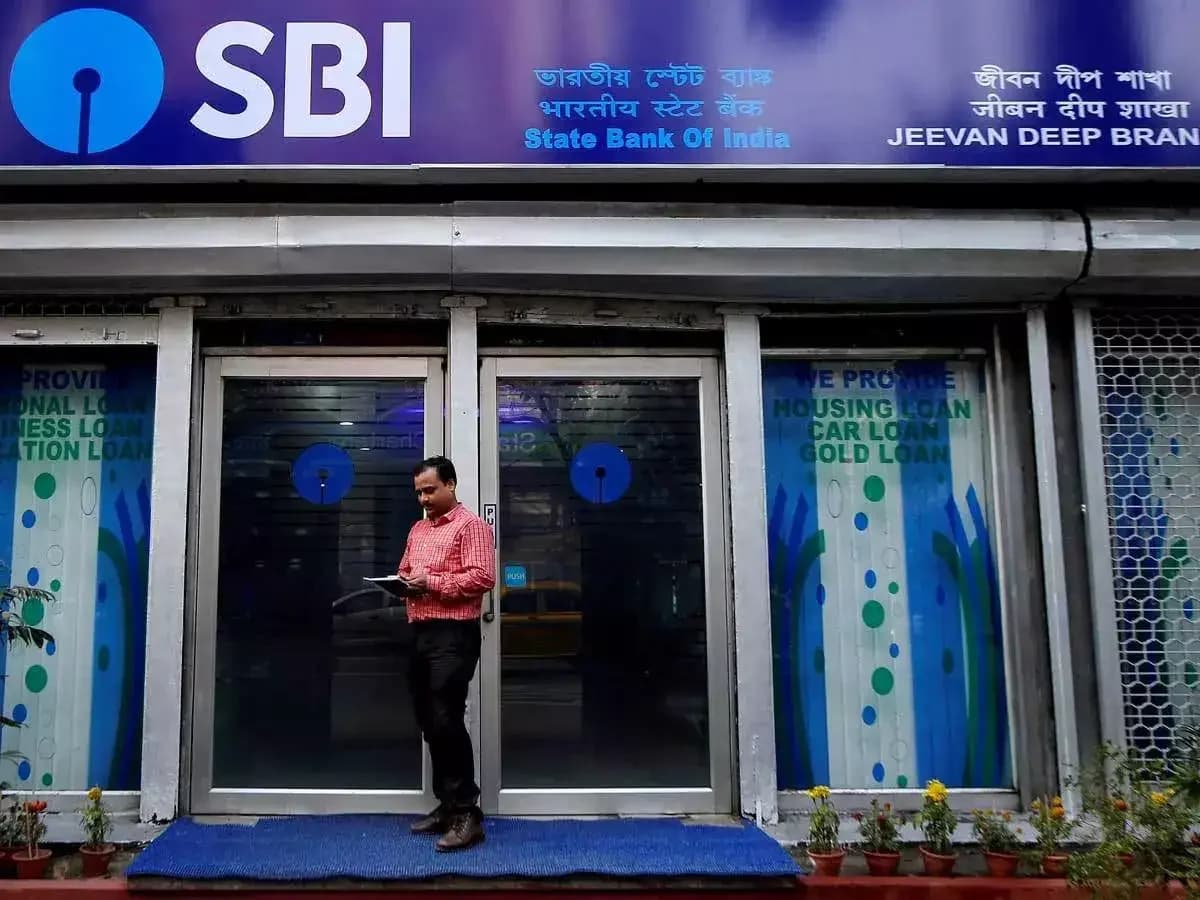
State Bank of India has launched 'Chakra', a comprehensive Center of Excellence designed to finance India's high-potential sunrise sectors. The initiative targets eight key industries including renewable energy, electric mobility, semiconductors, green hydrogen, advanced cell chemistry & battery storage, decarbonisation, smart infrastructure, and data centres. According to reports from The Economic Times, SBI's centre called 'Chakra' was unveiled on January 31, 2026, and will serve as a knowledge-led platform to enable financing for next-generation, technology-driven and sustainability-focused sectors. SBI aims to direct capital flows to these sectors, strengthen risk assessment capabilities, and develop innovative financing structures aligned with evolving business models.
SBI has partnered with over 21 domestic and international financial institutions including the World Bank, Japanese lenders MUFG and SMBC, all public sector banks, academic institutions and think tanks to finance these sectors. As reported by The Economic Times, the estimated capital requirements for these sectors are approximately ₹20 to ₹22 lakh crore over the next five years. Financial services secretary M Nagaraju stated that by 2030, these eight sunrise sectors are expected to entail capital investment of over ₹100 lakh crore, which the central government will enable. The bank has signed memoranda of understanding with 21 financial institutions, allowing their project finance teams to work alongside SBI professionals within the CHAKRA framework. Japanese banks including Sumitomo Mitsui Banking Corporation and Mitsubishi UFJ Financial Group are among the early international participants, while domestic development finance institutions such as Power Finance Corporation, Rural Electrification Corporation and NaBFID have also joined the initiative.
Speaking at the launch, SBI's top management underlined that conventional debt will account for only a part of the funding required for these sectors. The bank estimates that lending opportunities of ₹20–22 lakh crore could emerge over the next five years, but emphasised that these projects will need a mix of debt, equity and alternative financing structures. SBI is positioning itself as a contributor to policy thinking, particularly around risk frameworks and capital structures suitable for next-generation infrastructure. The initiative acknowledges that lending alone won't be enough for these capital-intensive projects, requiring innovative financing structures to address long gestation periods, evolving technologies and higher initial risks associated with sunrise sectors. CHAKRA will put out white papers, host industry roundtables, and run knowledge sessions to tackle tech risks and design bankable deals. As per The Economic Times, SBI chairman C S Setty noted that the platform is open and private sector banks will also join, with Japanese banks who are the largest lenders to data centres business in the world joining the platform.
Setty highlighted that banks like SBI have been able to fund projects in India largely due to sticky retail deposits, but with the financialization of household savings, financial institutions will need to participate in infrastructure projects. As reported by The Economic Times, he noted that large corporates in India have ₹13 to ₹14 lakh crore cash balances available and are looking for opportunities in sunrise sectors. Out of the ₹14 lakh crore of infrastructure financing in India, ₹4.20 lakh crore is financed by SBI alone. The renewable energy sector continues to grow but faces challenges in grid integration and transmission, while electric mobility and semiconductors are gaining traction with government policy support. Public sector entities currently dominate infrastructure financing, but this new platform will stabilize and bring private sector lenders and foreign lenders into the ecosystem. Department of Financial Services secretary M Nagaraju has asked public sector banks to concentrate on 2-3 sectors of the eight identified ones, emphasizing diversification of risks rather than focusing on just one sector.
The launch of 'Chakra' occurs within India's broader economic ambitions, particularly the 'Viksit Bharat 2047' vision aimed at transforming the nation into a developed economy. As of January 30, 2026, SBI itself holds a market capitalization of approximately ₹9.94 lakh crore and trades at a P/E ratio of 12.31, with its stock priced at ₹1,077.15. The initiative addresses the critical gap in capital deployment for emerging industries that often present high potential alongside complex, evolving risks. Setty also advocated for a more equitable competitive environment among financial savings instruments, suggesting that all instruments should compete on equal footing, aligning with global practices where neither bank deposits nor equity instruments typically receive preferential treatment. The focus has shifted for Indian banks from balance sheet strengthening to 'strategic expansion' as per the Department of Financial Services secretary's comments on the eve of the Union budget announcement.