State Bank of India's stock has significantly outperformed its private-sector peers since Chairman Challa Sreenivasulu Setty took charge on August 28, 2024. According to reports from Mint and The Economic Times, SBI's shares rose 28% during this period, while ICICI Bank gained only 10% and HDFC Bank declined 5%. As of June 19, 2025, SBI had a market capitalization of approximately ₹9.56 trillion, compared to ICICI Bank's ₹9.67 trillion and HDFC Bank's ₹12.03 trillion. Setty believes the bank deserves a better valuation, citing its transformation and strong fundamentals. In an interview with Mint, Setty noted that there is a perceptible change in investors' outlook towards SBI, representing a re-rating that has been overdue for quite some time. The chairman argued that the bank's scale, improving financial performance and valuable subsidiaries are not fully reflected in its share price, with progress in areas such as technology adoption, capital strength and customer acquisition.
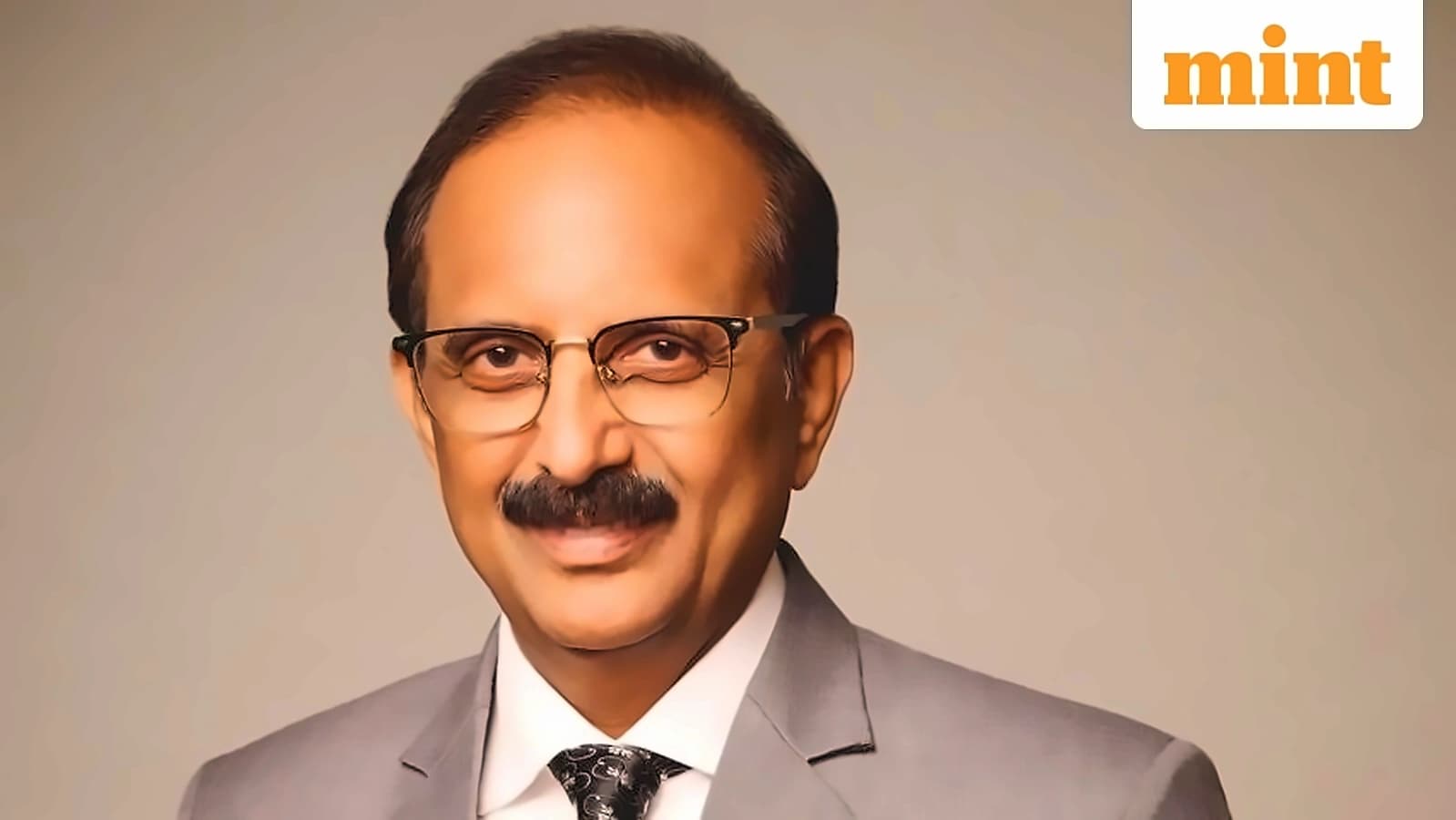
Under Setty's leadership, SBI has launched the Yono 2.0 banking app and strengthened its capital position through a ₹25,000 crore qualified institutional placement in July 2025. As reported by Mint and The Economic Times, the bank has seen significant improvements in customer service metrics, with over 33% of its customer base now below 30 years of age. The bank acquires approximately 60,000 to 65,000 new customers daily across various demographics, with customer satisfaction scores improving across channels and account attrition rates declining. Setty noted that customers expect different service levels from SBI compared to private banks, driven by higher relationship values and the bank's position as their preferred financial institution. The bank has also embarked upon Project Saral for Operation Process Reengineering, which is shaping up well and represents one of the most important activities close to Setty's heart.
SBI's financial profile has strengthened significantly under Setty's leadership, with S&P Global Ratings projecting the bank's risk-adjusted capital ratio to rise to 7%-7.5% over the following two years from 5.9% previously. As reported by The Economic Times, S&P also said SBI's asset quality was likely to remain better than the Indian banking sector average and comparable with similarly rated international peers. The bank's ₹25,000 crore qualified institutional placement in 2025 improved the lender's capital position and provided additional growth capital. Unlike his predecessors who faced challenges such as stressed assets, consolidation or market-share pressures, Setty inherited a bank without a defining problem, making his focus on identifying SBI's next growth engine and preparing it for the future.
SBI's non-banking subsidiaries have delivered exceptional returns, with the bank's initial investment of approximately ₹6,000 crore in 18 subsidiaries now valued at around ₹3 trillion. According to Mint and The Economic Times, these subsidiaries span various financial services including asset management, life insurance, and non-life insurance. The bank also holds strategic stakes in NSE, which is preparing for an IPO, and SBI Funds Management, which is planning for a listing. Setty emphasized that SBI's contribution extends beyond financial returns to setting benchmarks and providing high-quality governance across its operational areas. The bank's international presence is more geared towards servicing Indian relationships, with almost two-thirds of its book being India-related through external commercial borrowings or trade finance.
SBI has implemented a three-pronged artificial intelligence strategy focusing on responsible AI, employee efficiency, and better governance. As reported by Mint, the bank is deploying both generative AI and agentic AI across proactive risk management, fraud risk management, and regulatory reporting. Setty highlighted that the banking industry's credit growth will increasingly be funded through bonds and market instruments rather than just deposits, reflecting the changing household savings landscape. The bank is also exploring mergers and acquisitions opportunities through the RBI's new framework for local balance sheet M&A financing. Setty noted that government ownership had never prevented SBI from adopting technology or embracing digitalisation, with the lender's operational performance remaining "ownership-neutral" and the market gradually recognising this reality.