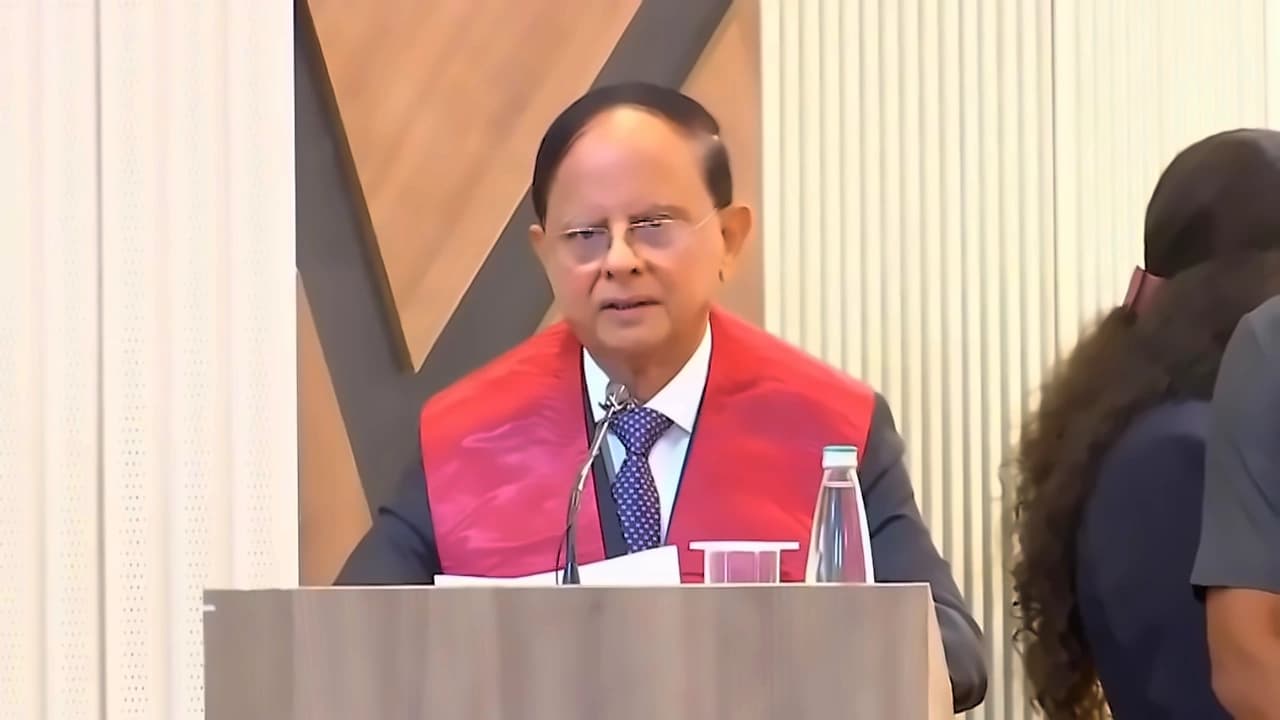
Principal Secretary to Prime Minister PK Mishra issued a stern warning about the dangers of financial system disconnection during the 20th convocation ceremony of the National Institute of Bank Management (NIBM) in Pune. According to reports from ANI, Mishra emphasized that financial systems cannot become disconnected from the real economy and lives of ordinary citizens. He specifically cautioned against risks arising from excessive speculation, irresponsible lending, unsustainable leverage and instability in financial markets that can create significant disruptions. As reported by ANI, Mishra stated that financial systems must remain connected to the real economy and the lives of ordinary citizens, highlighting the critical importance of maintaining this connection for economic stability.
Mishra highlighted India's remarkable achievement in building one of the world's most ambitious and inclusive digital public infrastructures through the convergence of finance and technology. As reported by ANI, he explained that the JAM trinity — Jan Dhan accounts, Aadhaar and mobile connectivity — has fundamentally reshaped the reach of India's banking system. The Pradhan Mantri Jan Dhan Yojana brought crores of people, unbanked citizens, into the formal banking system, while Aadhaar created a verifiable digital identity architecture at an unprecedented scale and mobile connectivity provided the final layer of access. According to ANI, Mishra noted that in India, this convergence of finance and technology has enabled the creation of one of the world's most ambitious and inclusive digital public infrastructures.
According to ANI reports, Mishra showcased India's rapid digital payment transformation, describing the Unified Payments Interface (UPI) as one of the world's largest real-time payment systems. The system has experienced explosive growth, processing over 25,000 crore transactions annually after starting with just 2 crore transactions in 2016-17. As reported by ANI, Mishra stated that in less than a decade, India has built the world's largest real-time digital payment ecosystem. He noted that the most significant achievement has been the democratisation of access, enabling both rural and urban citizens to participate in the formal financial economy through the same interoperable payment infrastructure. A small tea seller in a village or a professional in a metropolitan city can today transact through the same interoperable digital payment infrastructure.
As reported by ANI, Mishra highlighted how digital transaction records are increasingly creating formal credit histories for individuals who previously lacked collateral or banking relationships. He explained that every payment made, every purchase recorded, every transfer completed, leaves behind a data trail that can become the basis for credit history. This digital transformation has enabled expanded access to formal finance across both rural and urban India, with digital transaction records creating formal credit histories for those who had no prior banking relationships. According to ANI, Mishra noted that for those who have no formal credit record, no collateral to offer, and no prior relationship with the bank, that data trail over time can become the basis for a credit history.
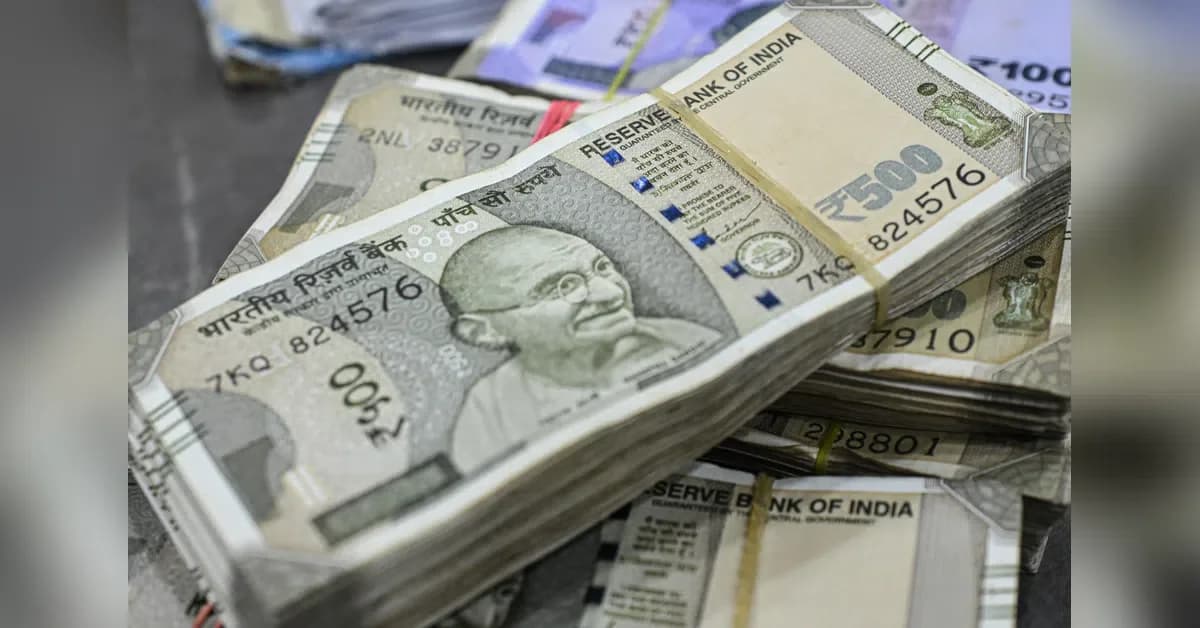
According to ANI reports, Mishra emphasized the government's Mudra scheme achievements, noting that over 57 crore loans worth around ₹40 lakh crore have been sanctioned to micro, small and medium enterprises. He highlighted that behind every Mudra loan lies a human story, including expanded tailoring businesses, modernized workshops, purchased transport vehicles, and stabilized family enterprises. Mishra concluded that true inclusion must ultimately create productive economic opportunities and translate into meaningful economic benefits for citizens. As reported by ANI, he stressed that the Pradhan Mantri Jan Dhan Yojana brought crores of people, unbanked citizens, into the formal banking system, while Mudra loans have benefited a large number of women and people from marginalised communities.