Non-banking financial companies have emerged as the clear leaders in retail lending growth, with retail loan growth exceeding 20% year-on-year in June 2026, significantly outpacing the 16% increase recorded by banks. According to the latest RBI data, overall non-food credit growth for NBFCs was stronger at 18% year-on-year in June, compared to 14% for banks in the same period. This superior performance is primarily driven by strong demand from segments such as loan against jewellery (69%) and consumer durables (47%), as banks have remained cautious in unsecured and low-ticket lending segments. As per The Economic Times, NBFC credit growth is highly concentrated, with retail loans comprising the largest portfolio share and reflecting the strongest growth among the major sectors. The data shows that bank credit to the consumer durable sector has been impacted by the deceleration in outstanding credit card growth to 2% from 7% a year ago, with banks also avoiding this segment due to its low ticket nature. Aastha Gudwani, economist at Barclays, noted that "the combination of the largest portfolio weight and the highest growth rate among the major sectors means that retail has made the dominant contribution to aggregate NBFC-credit growth."
Non-banking financial companies witnessed gold-backed lending grow nearly 70% year-on-year in June 2026, extending the sharp expansion seen in the previous month despite tighter regulatory oversight. According to the latest RBI data, outstanding loans against gold jewellery rose 69.3% year-on-year to ₹3.41 lakh crore at the end of June 2026, following a 69.9% increase in May. This continued strong growth in gold-backed lending has outpaced the overall retail loan portfolio of NBFCs, with the RBI noting that housing, vehicle and loans against gold jewellery segments displayed robust credit growth within retail lending. The sustained momentum in gold loans reflects the growing preference for gold-backed financing among consumers and the sector's ability to capitalize on this trend, even as the central bank has strengthened regulatory frameworks for such lending practices. As per The Economic Times, NBFCs are aggressively lending in the retail space, noting the relatively low risk in credit costs, while banks have turned more cautious in areas like unsecured credit.
Consumer durable loans recorded exceptional growth of 47% to ₹72,201 crore, highlighting steady consumer demand across multiple segments. According to RBI data, outstanding retail loans increased to around ₹25.62 lakh crore in June 2026 from ₹21.29 lakh crore a year earlier. Within retail lending, housing loans grew 11.4% year-on-year to around ₹8.44 lakh crore, while vehicle loans increased 15.2% to around ₹6.24 lakh crore. The strong performance in consumer durables is particularly notable as banks have almost vacated this space due to its low ticket nature, creating opportunities for NBFCs to aggressively expand in this segment. As per The Economic Times, Siddharth Rajpurohit, lead analyst at Systematix Shares & Stocks, explained that "there are segments like consumer durables which banks have avoided because of its low ticket nature, while NBFCs have aggressively grown even in unsecured segments." In credit cards too, the number of revolvers of credit has consistently come down which explains the low growth for banks there, while NBFCs have aggressively grown even in unsecured segments.
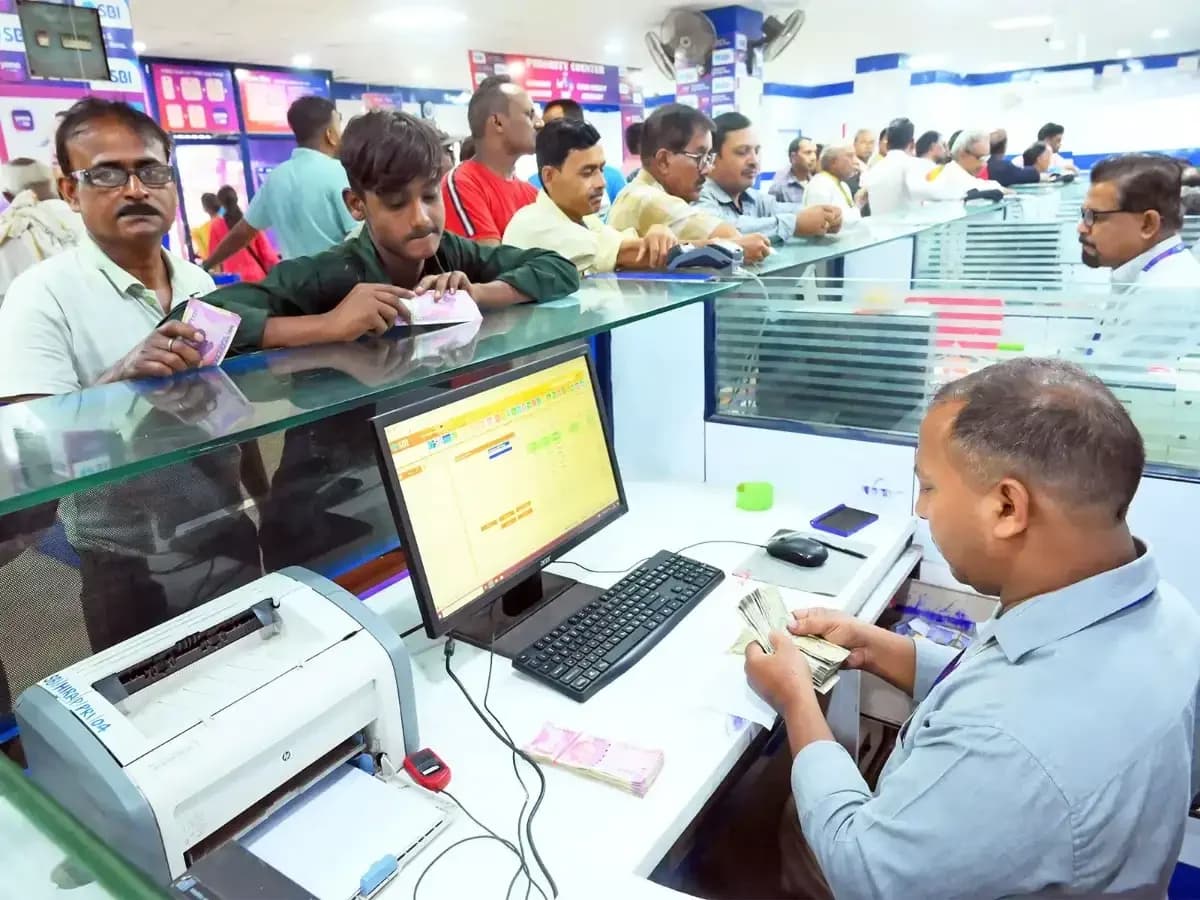
The continued expansion in gold-backed lending comes as the RBI has strengthened the regulatory framework governing loans against gold and silver collateral. The central bank issued the Reserve Bank of India (Lending Against Gold and Silver Collateral) Directions, 2025 in June 2025, laying down a harmonised regulatory framework for such loans across regulated entities, including NBFCs. The directions followed supervisory concerns flagged by the RBI in September 2024, where the central bank identified deficiencies in gold-loan practices, including shortcomings in the use of third parties for sourcing and appraisal of loans, inadequate due diligence, weaknesses in monitoring loan-to-value ratios and lack of transparency during auctions of gold jewellery in cases of default. The RBI had also asked regulated entities to closely monitor their gold-loan portfolios in view of significant growth seen at some lenders. Despite the regulatory scrutiny, gold-backed lending has continued to expand rapidly, demonstrating the sector's resilience and adaptability to regulatory changes.
Credit to industry grew 6.7% year-on-year to ₹22.04 lakh crore, compared with 10.3% in June 2025, with the moderation primarily driven by slower growth in infrastructure lending, a major component of the segment. The power sector showed positive momentum with 4.9% growth to ₹14.26 lakh crore. Agriculture and allied activities recorded robust growth of 17.9% year-on-year to ₹79,684 crore, against a 5.1% expansion recorded a year earlier. The services sector credit growth also moderated to 17.6% year-on-year to ₹7.70 lakh crore, compared with 22.4% growth a year ago, with commercial real estate lending recording buoyant expansion with 33.8% growth to ₹1.11 lakh crore. Other loans expanded 17.5% to ₹3.15 lakh crore. The sectoral credit data for NBFCs are based on a sample of finance companies classified under the upper and middle layers, including those from housing finance companies, which account for 87% of the total credit. The growth in gold loans contrasts sharply with moderation in other sectors, highlighting the sector's ability to capitalize on consumer demand for gold-backed financing despite regulatory challenges.