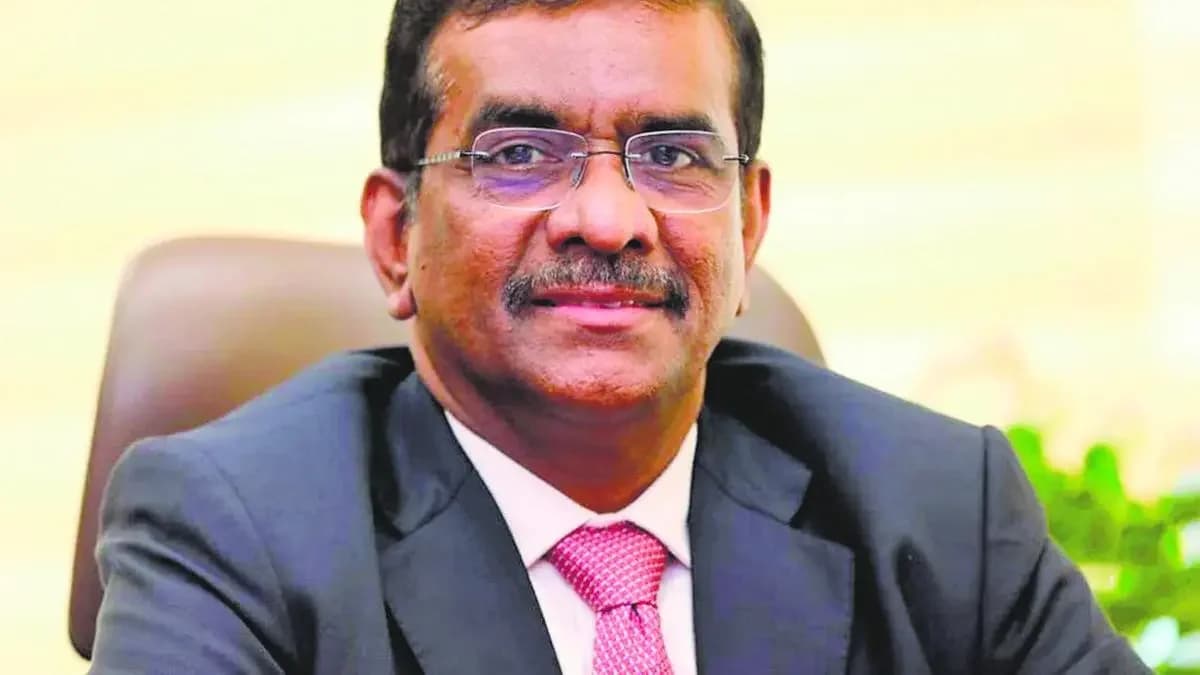
Nabfid has sanctioned loans upwards of ₹3,000 crore ($313 million) each to at least four data centres, reflecting India's push to participate in the artificial intelligence buildout. According to Business Standard, the facilities have a moratorium of as much as five years, with repayment over the following 10 years, as confirmed by Managing Director Rajkiran Rai G. Such projects generate 'good' cash flows despite long construction periods, with Nabfid seeing good traction from hyperscalers or large cloud services providers. The lender's cost-to-income ratio should be below 10 per cent, ideally around 5 per cent, with around 290 people handling a balance sheet of this size.
NaBFID targets a ₹5 trillion loan book by 2029-30, with managing director Rajkiran Rai G expecting the infrastructure lender's loan book to grow by around ₹1 trillion annually. According to reports from Business Standard, the lender has built a sizeable book quickly with a 50-50 mix of greenfield and operational assets from the beginning. The 50 per cent greenfield component supports new projects, which are typically 'BBB' rated, while operational assets are rated anywhere from 'A' to 'AAA'. This balanced approach allows Nabfid to generate decent returns while keeping the balance sheet stable, with the lender taking a conscious board-level decision to maintain this mix particularly in the initial four to five years of operations.
NaBFID is targeting around $4 billion in dollar funding by December through a combination of overseas bonds and external commercial borrowings. As reported by The Economic Times, the lender is looking to raise $500 million through a 10-year bond, marking its debut in the overseas bond market, while simultaneously negotiating a $1 billion MIGA-backed bond with a longer 15-year maturity. The 15-year bond, which is expected to carry a MIGA guarantee, will help the development finance institution access longer-term overseas funding, a key requirement for a lender financing long-gestation infrastructure projects. The cost advantage of overseas borrowing has narrowed as US Treasury yields have risen, with the cost of dollar borrowing now slightly cheaper than domestic bond market rates after factoring in the 1.5% swap cost.
NaBFID plans to raise ₹1 trillion in the year through March, with about 40% coming from overseas by end-December. As reported by Business Standard, the lender has already raised $1 billion, mostly through external commercial borrowings, and has a bond issuance planned this month. The lender has mandated foreign banks to mobilize a 10-year dollar bond of a similar amount through the RBI's concessional window by the end of this month. The lender wants to position itself as a frequent bond issuer with at least two issues every year to develop the market and discover pricing, though the exact size will depend on market conditions. Domestically, there may not be enough appetite beyond ₹30,000-40,000 crore, necessitating international fundraising.
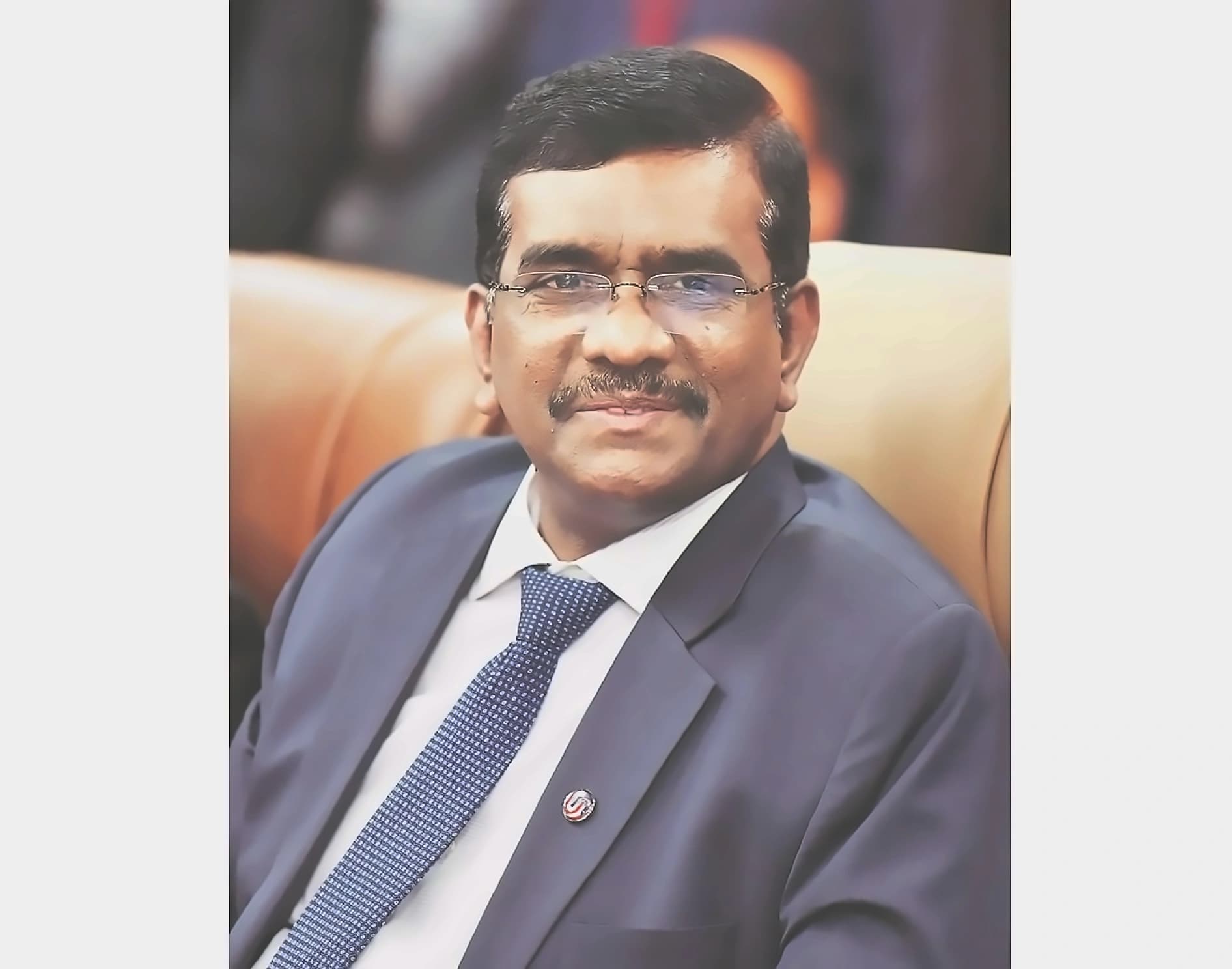
Nabfid conducts sensitivity analysis showing a 2 per cent interest rate increase should not have serious impact on repayment. According to Business Standard, the lender covers interest rate risk through interest rate derivatives and is one of the biggest players in this space. The lender's in-principle pipeline adding another ₹1 trillion to the sanction book provides visibility on future disbursements. On the liability side, the lender covers credit risk carefully while the market determines pricing, with the lender's cost-to-income ratio should be below 10 per cent, ideally around 5 per cent, and plans to maintain this headcount between 300-350 people.