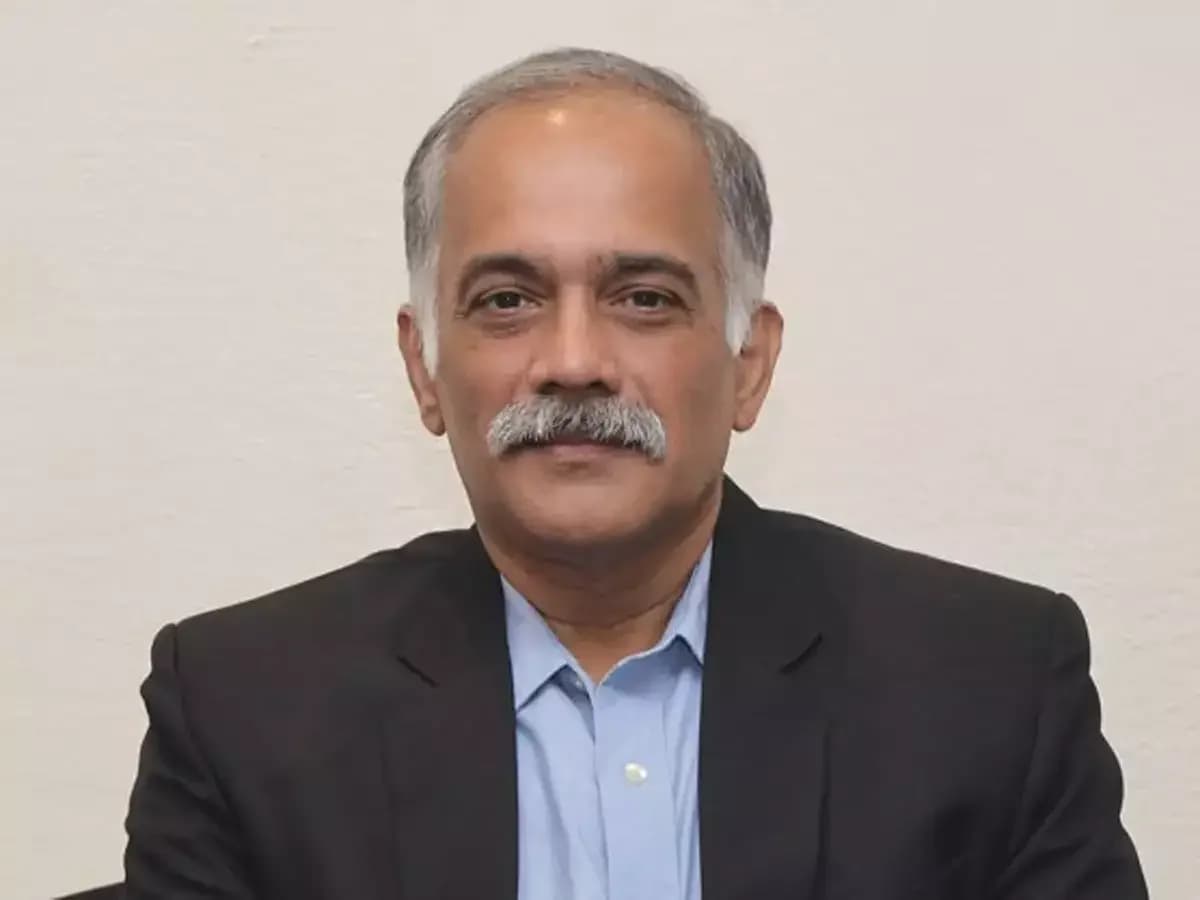
Muthoot Microfin has unveiled a comprehensive strategy to reduce its reliance on unsecured loans and mitigate risks in the microfinance sector. As per The Economic Times, CEO Sadaf Sayeed announced plans to bring down the share of qualified microfinance assets to the regulatory minimum of 60% by 2030 from the current 80%. This strategic shift comes as the Reserve Bank of India last year reduced the qualifying asset criteria for NBFC-MFIs from the previous 85% to allow business diversification. The company is drawing up plans to foray into two-wheeler financing around this year's festive season as part of its diversification strategy.
As reported by The Economic Times, Muthoot Microfin's current gross loan portfolio of ₹14,000 crore at the end of March shows 83% comprising micro loans given to joint liability group members. The qualified asset metric differs from gross loan portfolio, with the company's product bouquet currently including individual business loans, loans against property and gold loans. The company forayed into gold loans only last year after the central bank eased the asset qualifying criteria, marking a significant expansion in its product offerings.
Muthoot Microfin has set an ambitious target to achieve ₹30,000 crore Assets Under Management (AUM) by 2030, according to reports from The Economic Times. The NBFC-MicroFinance institution currently holds an AUM of ₹14,006 crore as of March-end 2026, representing significant growth potential over the next four years. This roadmap to 2030 released Thursday aims to grow the company's assets under management to ₹30,000 crore, positioning it among India's top three pure-play micro lenders.
According to the company's strategic vision for 2030, Muthoot Microfin plans to diversify into secured asset creation and lifecycle-led engagement to deliver appropriate credit solutions. The target portfolio mix by 2030 includes JLG loans at 53.4 per cent, small enterprise loans at 33.3 per cent, MSME loans at 10 per cent, and retail secured loans including two-wheeler, used commercial vehicle, and gold loans at 3.3 per cent. This transformation represents a significant departure from the current concentration in JLG loans toward a more diversified lending approach, with the company expecting Small Enterprise Loan and MSME segments to contribute almost half of MML's total AUM by FY 2030.

The microfinance sector has been experiencing significant challenges over the last two years due to over lending to small borrowers, as reported by The Economic Times. However, the market rebounded in the fourth quarter after seven consecutive quarters of portfolio contraction. Muthoot Microfin, being one of India's top three pure-play micro lenders, is strategically positioning itself to navigate these sector-wide challenges through business diversification and risk mitigation strategies. The company's focus on reducing microfinance asset share to 60% by 2030 aligns with broader industry trends toward more balanced and secured lending portfolios.