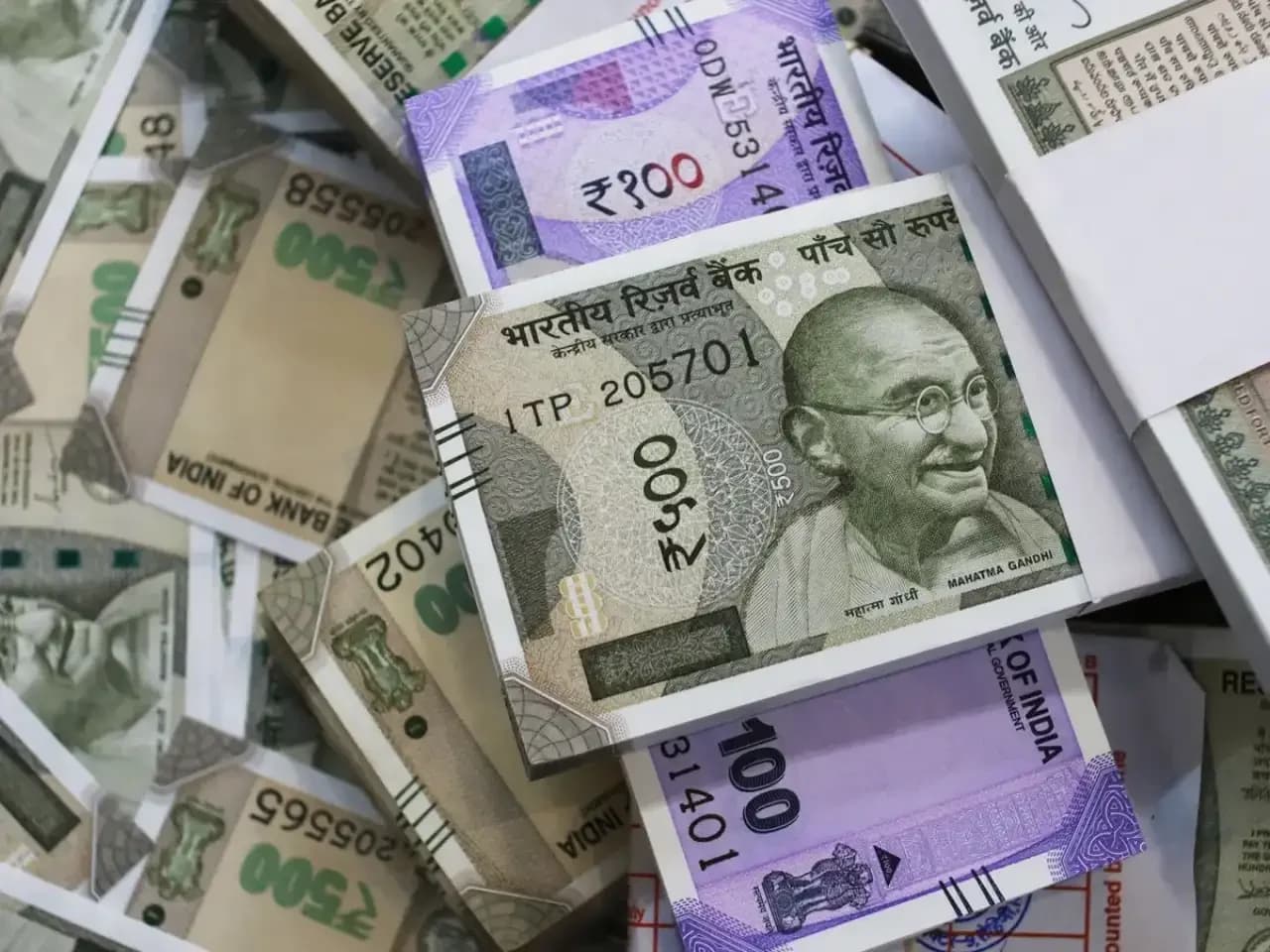
The microfinance industry's outstanding portfolio declined by 9 per cent in the year to April 2026, according to a report by Equifax. Despite this overall decline, the industry showed significant improvement in asset quality metrics. Assets unpaid for over 30 days decreased substantially to 2.5 per cent in April 2026 from 6.4 per cent in the year-ago period, marking a notable improvement in collection efficiency. The sector's total portfolio fell to ₹3.34 lakh crore as per the April 2026 figures, reflecting the broader market contraction. However, industry experts now suggest that India's microfinance model has reached its operational limits, requiring fundamental reimagination rather than incremental improvements.
The overall portfolio decline was accompanied by a sharp reduction in loan activity, with the number of active loans moderating by 21 per cent to 10.28 crore. This reduction in loan count indicates a preference for lending larger amounts within the industry. Non-bank lenders demonstrated better asset-quality trends, with loan outstandings declining by 4 per cent during the period, as reported by Equifax. The active loan reduction of 21 per cent to 10.28 crore reflects a strategic shift toward larger loan amounts within the industry, though experts note that the current model works effectively but at modest growth rates.
Private banks adopted a very cautious approach to microfinance business, with their market share declining to 25 per cent from 32 per cent a year ago. This cautious stance among private banks contributed significantly to the overall portfolio decline. In contrast, the market share of NBFC-MFIs grew to 43 per cent from 39 per cent in the year-ago period, while NBFCs' market share increased to 14 per cent from 12 per cent. The 25 per cent market share held by private banks represents a significant decrease from the previous year's 32 per cent, indicating substantial hesitancy in the microfinance segment.
Industry experts highlight that microfinance institutions have faced multiple operational challenges, including geographical saturation, regulatory changes, and the impact of demonetisation and the pandemic on traditional group meeting models. The Reserve Bank of India's recent policy changes, including revised definitions and credit guarantee schemes, while well-intentioned, may not address the fundamental need for diversification beyond the current microfinance segment. The sector requires a shift toward meso-finance - financing the segment above microfinance but below small and medium enterprises - which would serve financially literate borrowers seeking larger enterprise investments. With current inflation rates and economic uncertainties, the microfinance model continues to work effectively but faces limitations in achieving aggressive growth rates.