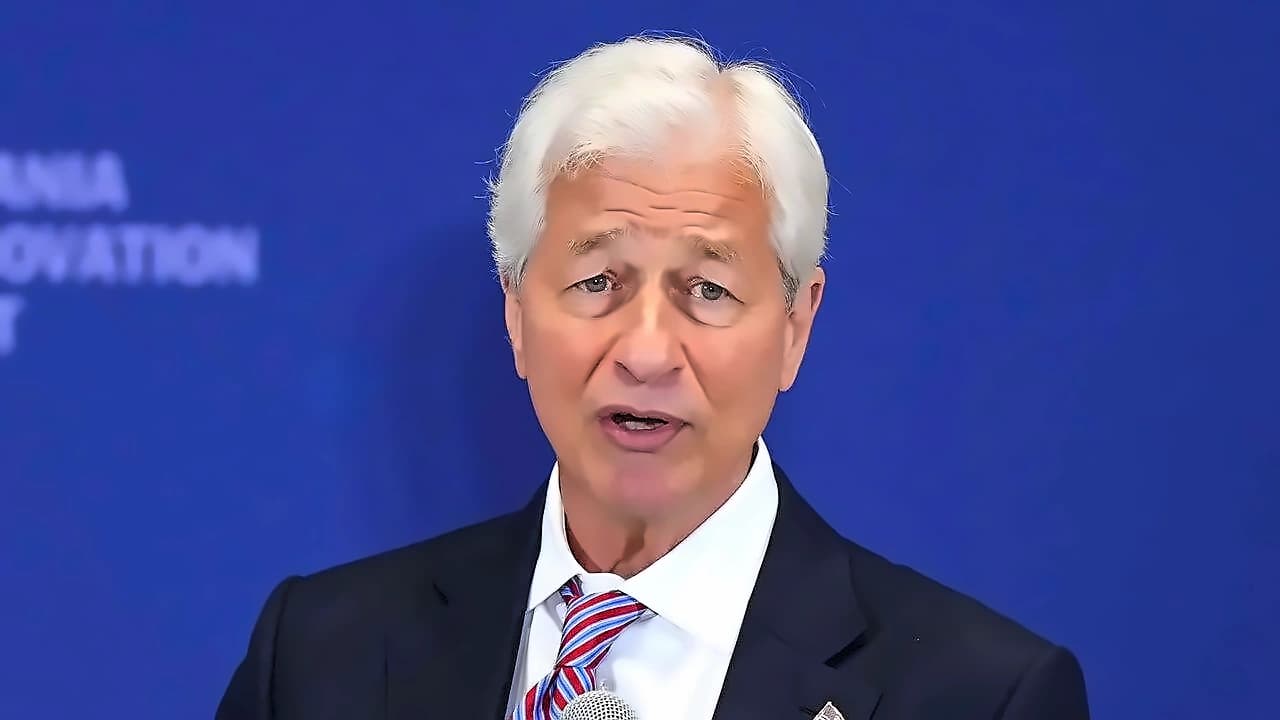
JP Morgan chairman and CEO Jamie Dimon completed 26 years at the helm of the world's most valuable bank, having taken control of JP Morgan through Bank One acquisition in 2000. According to reports from The Times of India, Dimon emphasized that success extends beyond profitability, stating that a good company encompasses customers, products, execution, and competitive positioning. He advocates for curiosity, courage, and grit in leadership, emphasizing that CEOs should communicate more about failures than successes to drive continuous improvement.
When addressing the role of corporate governance, Dimon warned against structures where charitable trusts own companies, noting that interests of such entities could differ significantly from corporate objectives. As reported by The Times of India, he cautioned that such structures sometimes work against company health and proper governance. Dimon emphasized that CEOs must balance commercial and philanthropic responsibilities, stating that companies must be healthy and vibrant to benefit society through jobs, capital formation, and economic growth.
According to The Times of India reports, JP Morgan has contributed over $90 million in donations and helped more than 100,000 young people develop skills and access careers through nonprofit partnerships since 2015. The bank has raised and provided clients with more than $84 billion in capital and credit since 2019. Dimon emphasized that in India, the institution serves clients while meeting government and regulatory expectations, advocating for long-term business strengthening even if it impacts near-term profits or share prices.
Regarding monetary policy, Dimon told The Times of India that while Fed rate hikes don't currently stress the system, they will eventually impact businesses. He noted that the 10-year rate is more significant than short-term rates, and suggested that even a 25-basis-point rate hike wouldn't be systemic. Dimon expressed sympathy for businesses facing stress but maintained that current conditions don't represent a systemic threat to the economy.