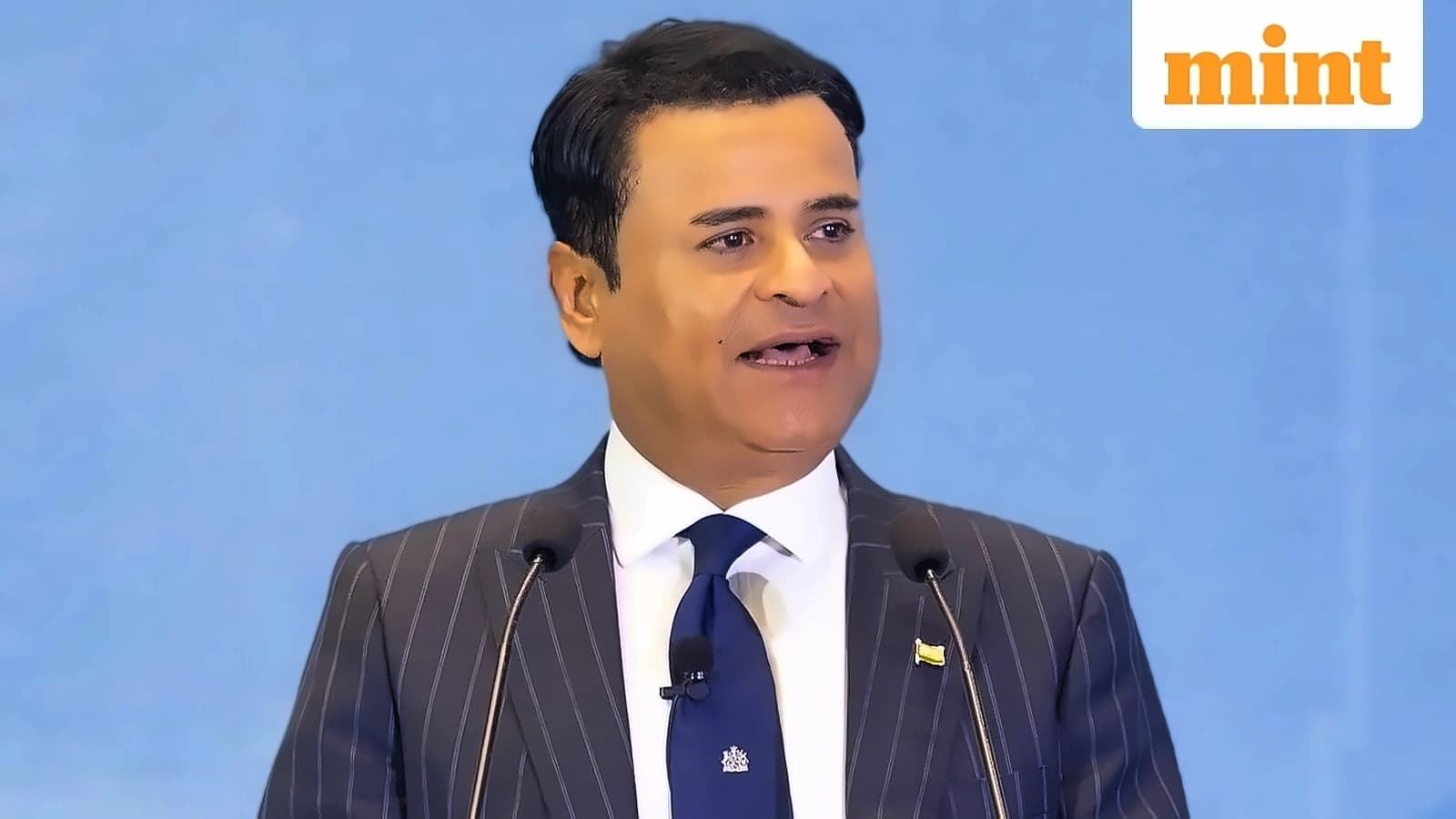


Rahul Badhwar, who joined as senior country officer in July, has outlined ambitious plans to position JP Morgan as the leading wholesale bank in India's sixth-largest economy. According to his first interview, Badhwar emphasized that success extends beyond revenues to include client numbers, wallet share, trust levels, talent retention, and regulatory standing. The new India chief brings three decades of experience from HSBC before transitioning to the world's largest bank.
The bank currently ranks second to Citibank in investment banking revenue, with preliminary data showing JP Morgan earned around $46 million in fees from January to date. However, the bank topped league tables in calendar year 2025, bringing in $116 million in fees from the Indian market. As reported by regulatory disclosures, JP Morgan's total credit exposure in India stood at ₹2.3 trillion as of March 31, compared with ₹3.1 trillion for Citi India. The bank has advised on marquee deals including Sun Pharma's $13 billion buyout of Organon and NSE Ltd's mega IPO.
Badhwar's immediate priorities include executing JP Morgan's India strategy, meeting clients to understand their needs, and interacting with the local team. According to his statements, he views himself as an ambassador for India and JP Morgan in India, emphasizing that on-ground presence provides different insights compared to research reports or meetings in New York, London, or Hong Kong. The bank operates investment banking through JP Morgan India Pvt Ltd and corporate lending under JPMorgan Chase Bank, with the aim to double down on opportunities and continue investing in the market.
Foreign investors have withdrawn $26.3 billion from Indian equities so far in 2026, while making $7.2 billion in debt purchases, according to NSDL data. As reported by Badhwar, India has historically traded at a considerable valuation premium over the MSCI Emerging Market Index, which becomes more noticeable when the market underperforms. The 10-year US Treasury yield recently crossed 5%, hitting a 19-year high, which typically causes global capital to flow toward safe-haven assets rather than riskier emerging markets. Badhwar noted that while high valuations are acceptable at times, they become more challenging when markets are seen as laggards.