The rupee has breached the ₹95 per dollar mark, touching fresh record lows on March 28-30 as global crude prices hardened and geopolitical tensions in the Gulf escalated. This psychological marker represents a decisive shift in India's external environment, with Brent crude inching toward the $95-100 per barrel range and a strengthening dollar converging to create familiar emerging market stress. The breach comes amid India's merchandise trade deficit widening to $19-20 billion in February, with early estimates for March suggesting further pressure.
The Reserve Bank of India has executed a calibrated, multi-layered response throughout March, with estimates suggesting dollar sales in the range of $15-20 billion during the month alone. The central bank has tightened plumbing of the currency market itself by imposing stricter limits on banks' net open foreign exchange positions, effectively capping daily exposures and forcing unwinding of large arbitrage trades. Market estimates suggest positions worth $25-50 billion were impacted by this move, with the immediate effect visible on March 30 when the rupee staged a sharp intra-day recovery of nearly 0.8-1% before stabilising. India's foreign exchange reserves, which stood at around $643 billion in early March, have seen a noticeable drawdown as the central bank leaned against the currency's fall.
Liquidity conditions have tightened materially, with banking system liquidity slipping into deficit territory, estimated at around ₹1-1.5 lakh crore in recent days. This comes as the RBI sells dollars, absorbing rupee liquidity from the system, which has coincided with advance tax outflows in mid-March. Short-term money market rates have firmed up, with overnight rates moving closer to or even above the policy repo rate of 6.50%, effectively achieving backdoor tightening without formal policy changes. The RBI faces challenges injecting funds due to rupee volatility concerns, limiting its ability to provide adequate liquidity support to the banking sector. Banking-system liquidity surplus has declined to about 0.5% of deposits as of March 29, 2026 - down from 0.8% in late February before the Middle East conflict onset.
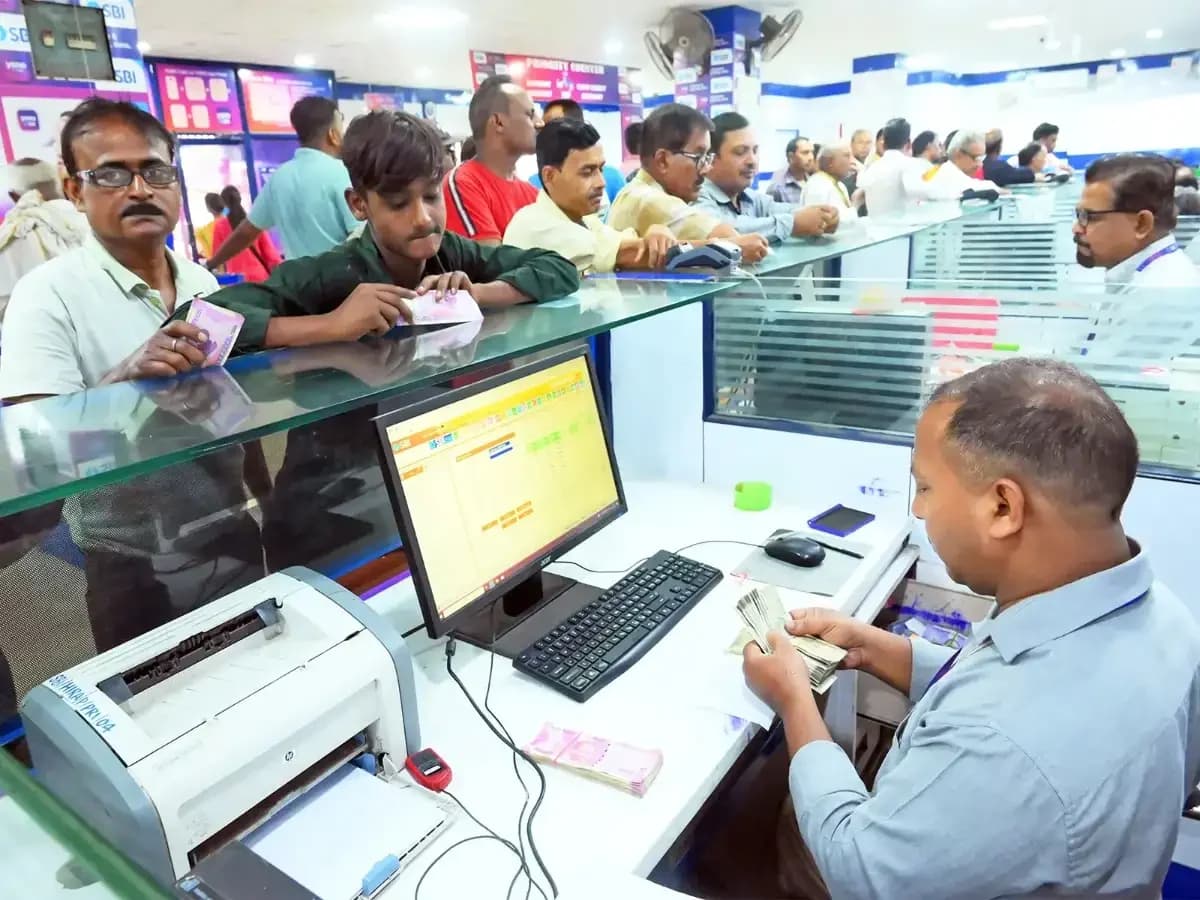
Indian banks could face increased margin pressure as liquidity conditions tighten, according to Fitch Ratings. The rating agency warned that sector margins may decline by 20bp-30bp below the current 3.1% forecast for the financial year ending March 31, 2027 (FY27) if higher funding costs linked to Middle East tensions persist. However, Prakash Pandey, Associate Director – Financial Institutions at Fitch Ratings, noted that the decline is expected to be limited and not structural, with margins likely to hold close to 3%… probably a 2.8–2.9% mark. The agency emphasised that treasury gains could also be moderately below previous expectations, though it believes Fitch-rated banks have sufficient earnings buffers to absorb such pressure without affecting their assessment of earnings and profitability.
Fitch Ratings cautioned that the RBI's flexibility to inject local-currency liquidity into the banking system has narrowed amid efforts to contain rupee volatility. The agency observed that if sustained, currency pressures could limit the RBI's ability to ease banking system liquidity, as measures to support the rupee also drain local-currency liquidity from the banking system. Fitch noted that the RBI's recent directive for banks to unwind FX positions above USD100 million highlights its focus on limiting currency volatility, though the impact on banks' profit should be limited as income from exchange transactions is estimated at less than about 0.1% of risk-weighted assets. The agency emphasised that Indian banks' Issuer Default Ratings would likely remain intact even in a downside scenario, as they are underpinned by sovereign support, with India's 'BBB-'/Stable sovereign rating having moderate headroom to absorb downside risks.