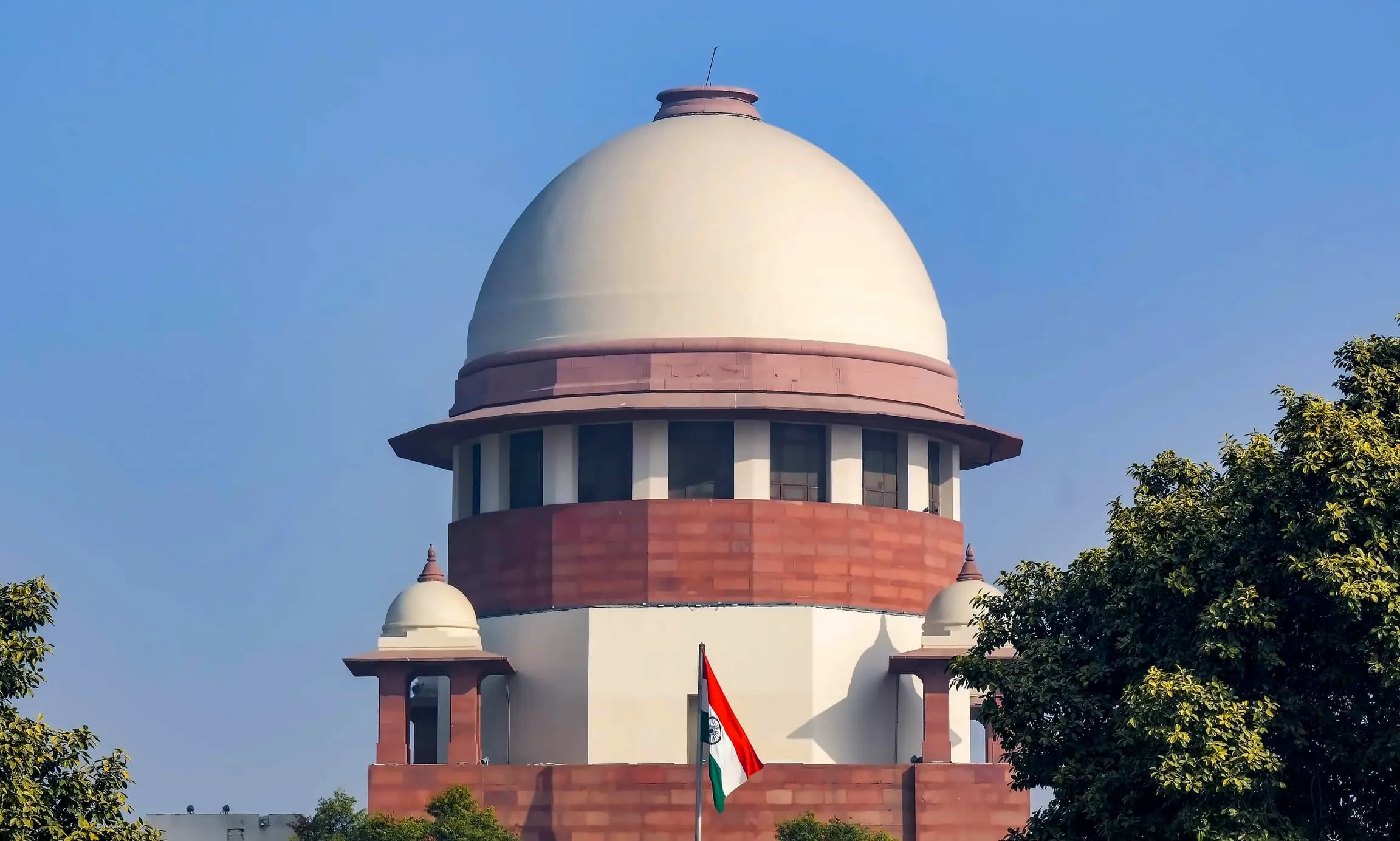
The Supreme Court has flagged critical infrastructure gaps at the National Company Law Tribunal (NCLT), with Chief Justice Surya Kant observing that tribunals handling high-value commercial disputes must be equipped with adequate buildings, personnel and technological facilities. According to Business Standard, the Court directed the Union government to file a status report on amenities at NCLT benches and identify facilities requiring urgent attention in consultation with its president. The NCLT Principal Bench Bar Association highlighted that all benches at the principal bench are currently compelled to hold only half-day sittings due to member shortages, with 246 staff members working on a temporary basis. The Court questioned how the tribunal could effectively function without basic amenities, noting the absence of proper buildings, staff, judgment writers, and adequate technological inclusion.
Corporate insolvency admissions have experienced a dramatic decline, falling to 668 cases in 2025-26 compared to 1,992 cases in 2019-20 - representing a 66% decrease. According to reports from Business Standard, this decline cannot be fully explained by the increased default threshold from ₹1 lakh to ₹1 crore, as financial creditors with larger claims have also reduced their applications substantially. The ecosystem is now focusing more on closing matured processes through withdrawal, appeals, resolution plans, or liquidation, yet such closures have also decreased from 1,237 cases in 2019-20 to 709 cases in 2025-26 - a 43% decline.

The average resolution process now takes 1,026 days during April-June 2026, equivalent to nearly three years. As reported by Business Standard, among the 69 cases in the quarter, seven took more than six years to complete. The liquidation process adds another 897 days on average, with the combined journey spanning 2,275 days - more than six years from insolvency commencement to dissolution. The Supreme Court has flagged 363 resolution plans pending approval for up to four years, establishing that the system is taking in fewer cases while closing fewer cases efficiently.
Creditor realization from resolution plans has declined significantly from 158% in 2017-18 to 130% in 2025-26, measured against liquidation value. According to Business Standard, this decline indicates that time is eroding the value that the insolvency process is designed to preserve. The interquartile mean of creditor realization from resolution plans shows a consistent downward trend, suggesting that the time-value of money is becoming a critical factor in insolvency outcomes.
The banking system has substantially cleaned up its balance sheets through Section 29A restrictions on defaulting promoters and asset reconstruction companies acquiring stressed loans at scale. As reported by Business Standard, growing private credit and negotiated restructuring now provide viable businesses with alternatives to formal insolvency. This shift means that cases reaching the IBC are increasingly those where other avenues have failed or where stakeholders believe the formal process offers the best remaining option, making the economics of choosing the IBC less attractive.
The analysis suggests that the entire ecosystem must change rather than just legislation. According to Business Standard, banks need to recognize distress earlier and escalate rather than negotiate while value erodes, while creditor committees must make commercial decisions in weeks rather than months. The adjudicating authority requires substantially greater judicial and administrative capacity, and appeals and litigation must not become parallel business models. The system should measure itself by how much enterprise value survives the process and how long it takes to realize it, rather than focusing solely on legal compliance.