Gold loans demonstrated exceptional performance in the December 2025 quarter, with originations surging by 45% in volume and 108% in value during the three-month period. According to TransUnion CIBIL's March 2026 Credit Market Indicator report, this momentum established the category as the largest product by share of retail originations, accounting for 36% of total volume and 39% of total value. The Credit Market Indicator (CMI) for supply rose significantly, driven primarily by the substantial increase in gold loan originations across both volume and value metrics. The report highlights that gold loan origination value jumped 108% year-on-year, while volumes grew a comparatively lower 45%, indicating that borrowers are taking larger loans against higher-value collateral rather than significantly more people entering the segment.
The primary driver behind this surge has been the sharp rise in underlying asset values, which have more than doubled since March 2023. As reported by TransUnion CIBIL's March 2026 Credit Market Indicator report, this valuation spike has resulted in average ticket sizes increasing by 1.8 times, allowing lenders to disburse significantly higher amounts even without a matching rise in loan accounts. The category's expansion is being shaped not only by demand but also by market-linked asset appreciation, making future growth sensitive to movements in gold prices. The report notes that gold loans are directly tied to collateral value, as gold prices rise, borrowers can unlock more liquidity from the same asset, explaining why the segment remained stable even after the festive season when most other retail loan segments saw moderation in supply.
Gold loans now represent the second-largest retail product by outstanding balances at 11%, positioned only behind the housing sector. According to TransUnion CIBIL's March 2026 Credit Market Indicator report, the growth is no longer limited to southern states, which historically dominated gold lending. Faster expansion is now visible in northern and western regions such as Rajasthan, Uttar Pradesh and Madhya Pradesh, indicating broader adoption across India. Specifically, Rajasthan saw a 79% year-on-year growth in volume, while Uttar Pradesh recorded a 96% increase, indicating the category's expansion beyond traditional strongholds. The report stresses that growth is no longer limited to southern states, which historically dominated gold lending, with faster expansion now visible in northern and western regions.
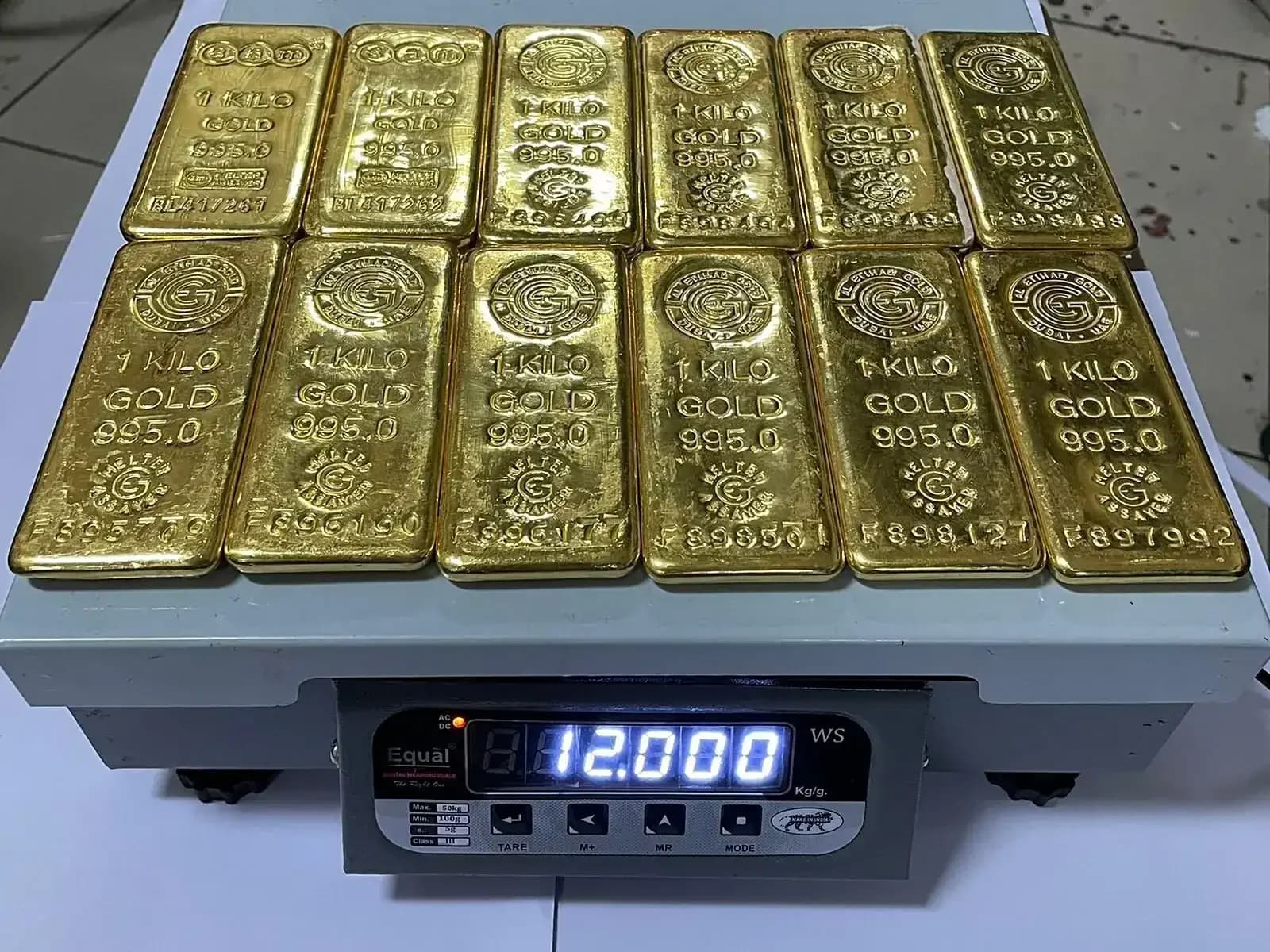
Lenders continue to focus on credit-tested consumers with prime and above consumers making up 57% of all originations, as reported by TransUnion CIBIL's March 2026 Credit Market Indicator report. The consumer base shows significant diversity with women making up approximately 40% of gold loan consumers, while 68% of originations came from rural and semi-urban areas. The borrower profile remains relatively stable with most gold loan users being over 35 years old, and a significant share coming from semi-urban and rural areas, with over half falling in prime credit categories. This positioning indicates gold loans are expanding as a mainstream retail lending category, attracting more diverse credit profile consumers.
The report emphasizes that rising ticket sizes are boosting credit growth, but they also make the segment more sensitive to commodity price movements. Any correction in gold prices could affect both borrowing capacity and lender risk exposure, with the report noting that future growth in gold loans is likely to remain closely tied to gold price trends rather than purely borrower demand. The data suggests that a meaningful portion of recent credit growth is linked to asset price inflation rather than underlying demand expansion, highlighting the market-linked nature of this lending segment. This trend points to a shift in India's retail credit dynamics, where market-linked asset appreciation is playing a larger role in shaping lending growth.