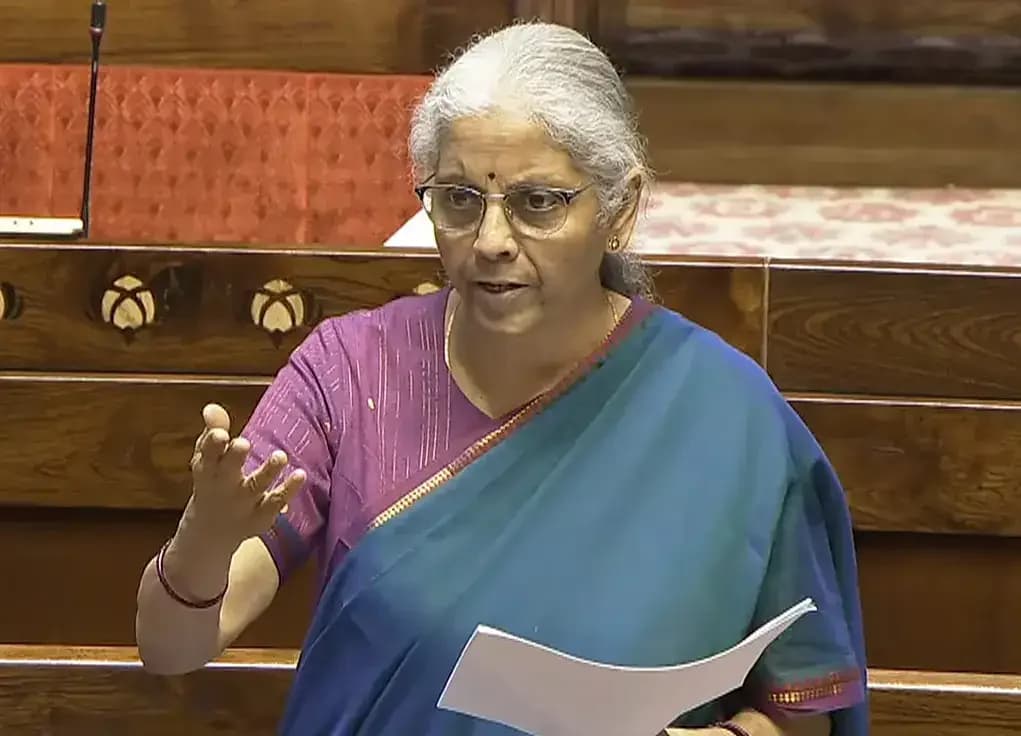
Finance Minister Nirmala Sitharaman convened a high-level meeting on Thursday with Union Minister for Electronics and Information Technology Ashwini Vaishnaw, along with RBI, NPCI, CERT-In and chiefs of Scheduled Commercial Banks to assess risks from advanced AI models that could be misused to weaponise software vulnerabilities. According to reports from The Economic Times, the meeting was attended by DFS Secretary M. Nagaraju and CERT-In DG Dr Sanjay Bahl. Speaking after the meeting, Sitharaman emphasized that "What we have... proved ourselves to be that we are protective, might not be enough. We need something far more versatile," as quoted by ANI. She noted that while Indian banks have maintained a strong cybersecurity record due to continuous upgrades and digitisation, the evolving nature of AI threats demands fresh strategies and tools. As reported by The Hindu BusinessLine, Sitharaman acknowledged that "This has been an ongoing exercise and Indian banks have done very well for themselves in that there has not been a major incident over the decades," but cautioned that "the challenge from advanced AI is different and less understood."
As reported by The Economic Times, Anthropic said unauthorised access was made on its new model Mythos, which is deemed too dangerous for public release. The company announced Mythos on April 7 and is being deployed as part of Anthropic's 'Project Glasswing', a controlled initiative under which select organisations are permitted to use the unreleased Claude Mythos Preview model for defensive cybersecurity. Anthropic claimed that Mythos can outperform humans at cyber-security tasks, finding and exploiting thousands of bugs, including 27-year-old vulnerabilities, in major operating systems and web browsers. The model has advanced cybersecurity capabilities that can autonomously analyse codebases and identify 'Zero-day' vulnerabilities in every major operating system and browser. A senior official confirmed to PTI that Indian systems remain secure and there is no need for undue concern, though the government and RBI are closely studying potential risks. According to The Times of India, Sitharaman confirmed that "The Ministry of Electronics and Information Technology (Meity) is in active talks with various authorities and govts from across the globe and with technology companies to understand as to how this is going to play out and what is the preparedness we need in India."
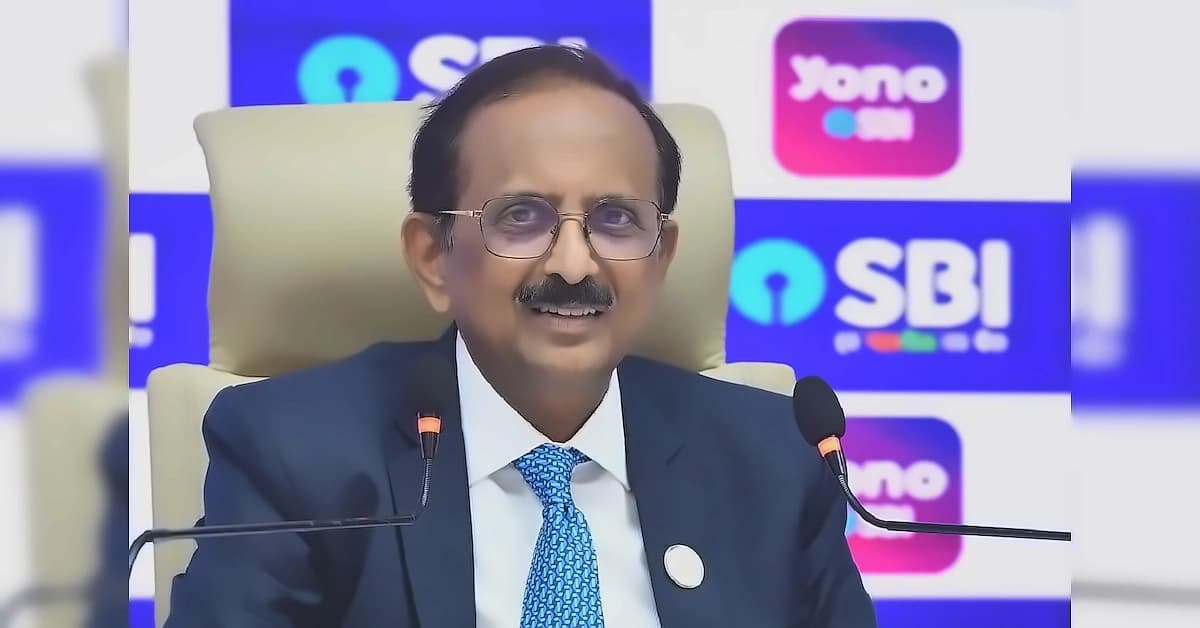
Following Thursday's meeting, banks have been directed to work together under a coordinated institutional mechanism led by the Indian Banks' Association. As reported by The Hindu BusinessLine, SBI Chairman, as IBA head, will lead the effort. In the coming weeks, banks will assess where more investments are needed, what technologies can be adopted, and how AI itself can be used to counter AI-based threats. Sitharaman clarified that this is not a new committee but an IBA-led process to identify vulnerabilities and review vendor dependencies. The minister urged banks to bring in the best available cybersecurity professionals and specialised agencies to strengthen defensive and monitoring capabilities, and to immediately report any suspicious activity to CERT-In and other authorities. According to the finance ministry, "Banks have also been asked to immediately report suspicious activity to CERT-In and maintain close coordination with relevant authorities."
According to The Hindu BusinessLine, Sitharaman urged banks to establish "a robust mechanism for real-time threat intelligence sharing among banks, CERT-In and other relevant agencies" to ensure early detection and quick dissemination of emerging threats. She emphasized that "the challenge from advanced AI is different and less understood" compared to traditional cybersecurity threats. The minister noted that vigilance and preparedness will be key, with banks expected to enhance coordination and readiness to deal with what she described as an 'unprecedented' technological challenge. As reported by The Times of India, Sitharaman also emphasized the importance of maintaining human interaction in banking services, stating that "Digitisation should happen. It brings in greater inclusivity. But as this digitisation is happening we should ask ourselves whether we are getting distant from our customer base." She stressed that "Banks should continue to have a human interface while serving the customers despite the massive continuing thrust on digitisation."
On the geopolitical front, Sitharaman acknowledged the impact of the West Asia crisis, particularly the effective closure of the Strait of Hormuz, which has pushed crude oil prices higher. As reported by The Hindu BusinessLine, she said "Because of the Strait of Hormuz crisis, we'll see what best we can do. These are constantly moving challenges. You can't club all of them and say each challenge is being addressed." The minister also drew a line between the cybersecurity agenda and other policy matters, reiterating that the Terms of Reference for the banking sector's 2047 roadmap are deliberately broad to give the committee space to recommend the structure and scale of banks needed for the future. She emphasized that each issue will be responded to in its own context, with the cybersecurity focus remaining separate from other policy areas such as LPG supply monitoring and support for exporters affected by US tariffs. According to The Times of India, Sitharaman also highlighted the role of banks in supporting domestic consumption, stating that "In times of global turmoil, banks have a major role to play in boosting domestic consumption. Domestic consumption has stood by us well when global markets are in a churn and exports are taking a beating."