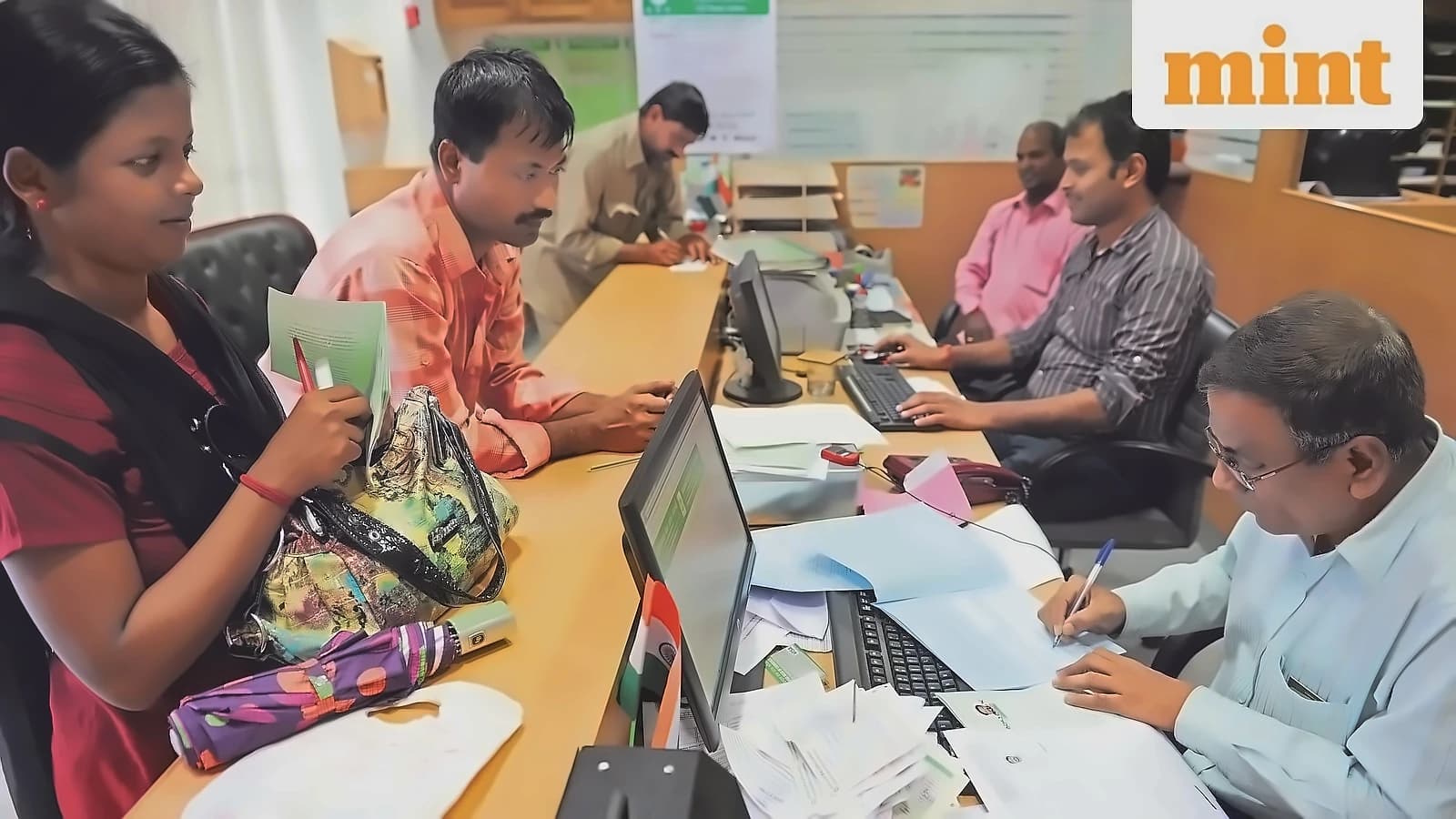
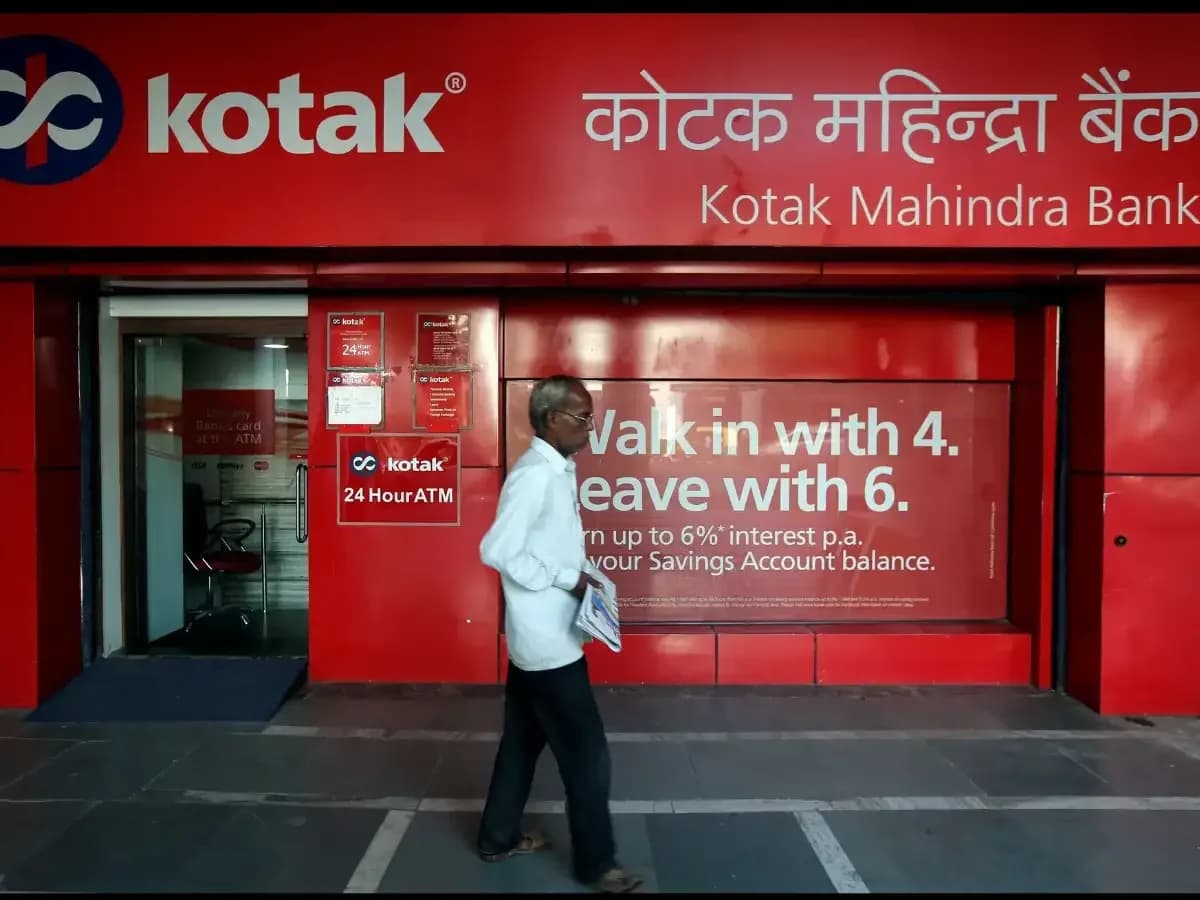
Five prominent private sector banks are approaching critical leadership transitions, with CEO tenures ending between October 2026 and December 2027. According to reports from Mint, ICICI Bank's Sandeep Bakhshi and HDFC Bank's Sashidhar Jagdishan have current tenures ending in October 2026, while Axis Bank and IDFC First Bank CEOs face termination in December 2027. While Bakhshi's board has approved a shorter-than-usual two-year term, Jagdishan is reportedly willing to serve another term, and there are no disclosures yet on Ashok Vaswani's reappointment at Kotak Mahindra Bank, whose term ends in December 2026.
Under Reserve Bank of India regulations, private bank chiefs can serve for up to 15 years or until they turn 70 years old. As reported by Mint, the current CEOs of these five banks remain eligible for renewal, though the market is closely watching the development of second-line leadership within these organizations. The regulatory approval process involves private bank boards suggesting a mix of internal and external candidates to the RBI, with the regulator ultimately selecting the final candidate and determining maximum permissible remuneration.
Recent years have seen India's private lenders increasingly turn to external candidates for CEO positions. According to Mint, after Uday Kotak's retirement in September 2023, Kotak Mahindra Bank hired Ashok Vaswani, a former Barclays executive. Similarly, Federal Bank selected K.V.S. Manian, whose last role was at Kotak Mahindra Bank, and Yes Bank recently appointed SBI former managing director Vinay Tonse to replace Prashant Kumar. A senior consultant at a Big Four firm noted that while boards have succession planning on paper, there appears to be a lack of second-rung leaders ready to rise to organizational leadership roles.
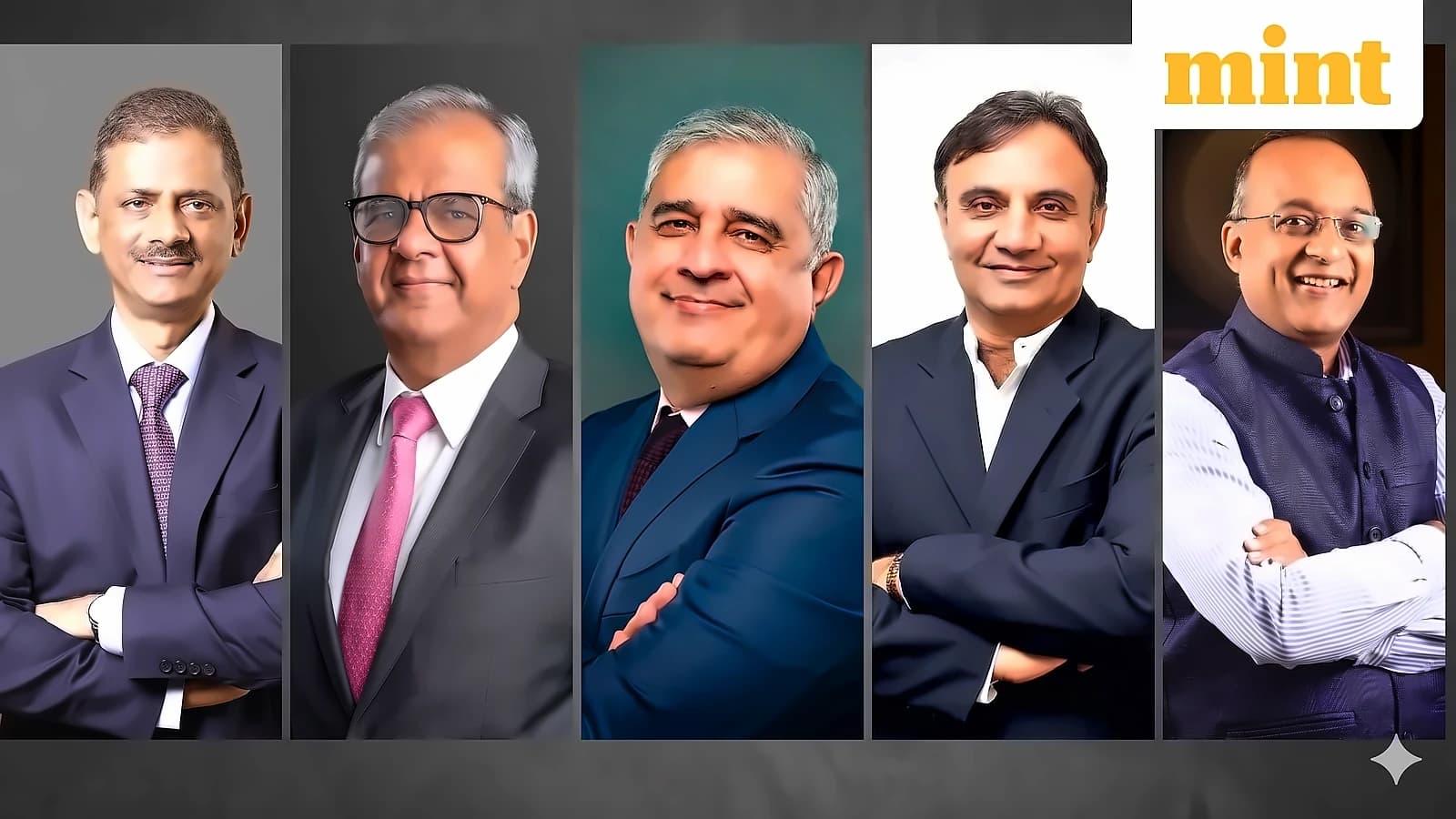
The banking sector's scale and regulatory intensity have created specific challenges in talent acquisition. As reported by Mint, Preety Kumar from Amrop India explained that the sector tends to prioritize leaders with deep industry experience, leading to a relatively contained talent pool. Vivek Iyer from Grant Thornton Bharat noted that the RBI now insists on candidates having prior governance experience, which has led to more CFOs and senior banking professionals being considered for CEO positions. This trend is evident in recent appointments, with HDFC Bank and Yes Bank both appointing CFOs as CEOs in 2020.
Industry experts present mixed perspectives on the current succession planning landscape. According to Mint, Monica Agrawal from Sheffield Haworth India believes the regulator's efforts are working, with banks implementing robust talent development programs and more job rotations. However, a senior consultant noted that in many private banks, the second rung remains invisible, leaving others wondering about their preparation for leadership roles. The consultant suggested the RBI should push boards to be more proactive in succession planning and monitor it more closely, given their role in selecting CEOs and determining remuneration.