The U.S. Supreme Court struck down President Donald Trump's signature international policy on Friday, ruling against his 'reciprocal' tariffs. According to reports from Bloomberg News, the market reaction to this development has been notably muted. Bank of Montreal CEO Darryl White described the response as 'pretty subdued' during a Bloomberg Television interview on Monday morning. White attributed part of this subdued reaction to the fact that some of the outcome was probably priced into bond markets before the ruling was announced. As reported by Bloomberg News, this muted response comes after more than a year of trade-related shocks, suggesting the market has become increasingly resilient to policy volatility.
Following the Supreme Court's decision, President Trump has indicated his intention to replace the struck-down levies with new, across-the-board 15% tariffs on imports. As reported by Bloomberg News, this represents a shift from the previous reciprocal tariff structure that the Supreme Court has now invalidated. The new tariff framework suggests Trump's commitment to maintaining trade policy changes despite the legal setback. According to Bloomberg News, the president has since indicated his plans to implement these new tariff measures, though specific details about the implementation timeline remain unclear.
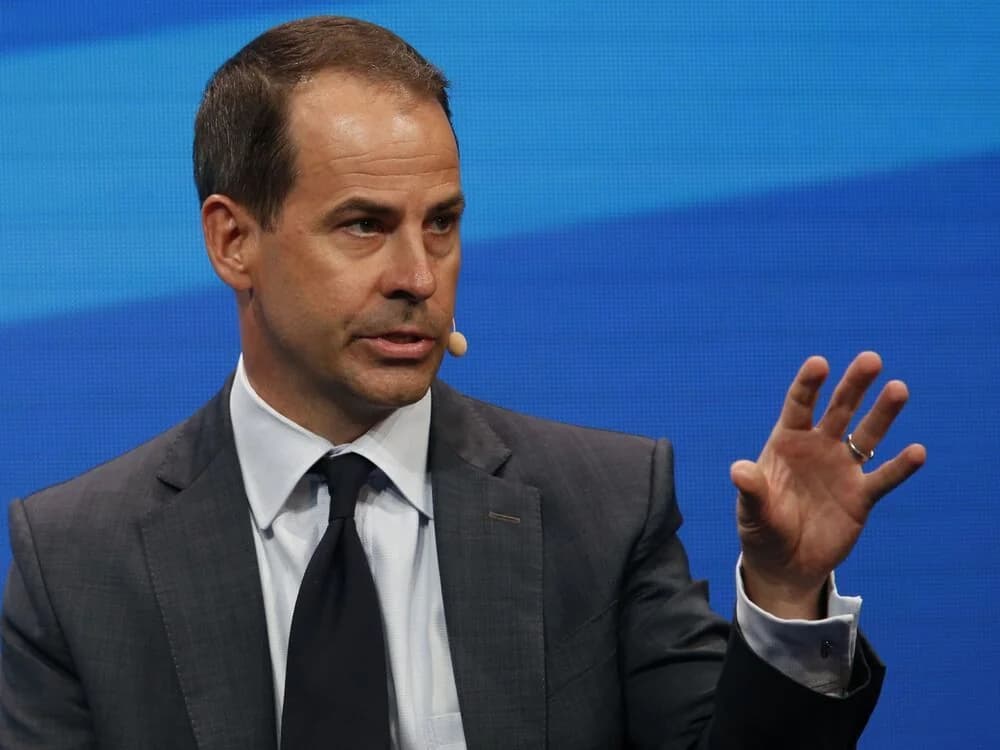
According to Bloomberg News, many of BMO's corporate clients have adjusted to the swings in trade policy under the Trump administration through strategic measures. White noted that corporate clients have taken steps such as rebuilding supply chains to navigate the unpredictable trade environment. He emphasized that 'the instability in the volatility that's been brought by various decisions over the course of the last year on tariffs have become a little bit more normal course' for businesses. This adaptation reflects the corporate sector's growing resilience to trade policy uncertainty and the need for strategic supply chain restructuring.
As reported by Bloomberg News, White characterized the current trade policy environment as 'more stable than you might think' despite the ongoing volatility. Speaking from Hollywood, Florida, where he was attending the bank's annual mining and metals capital-markets conference, White suggested that 'the volatility that's been brought by various decisions over the course of the last year on tariffs have become a little bit more normal course' for market participants. This assessment reflects the market's adaptation to the unpredictable nature of recent trade policy changes and the growing acceptance of policy volatility as part of the business environment.