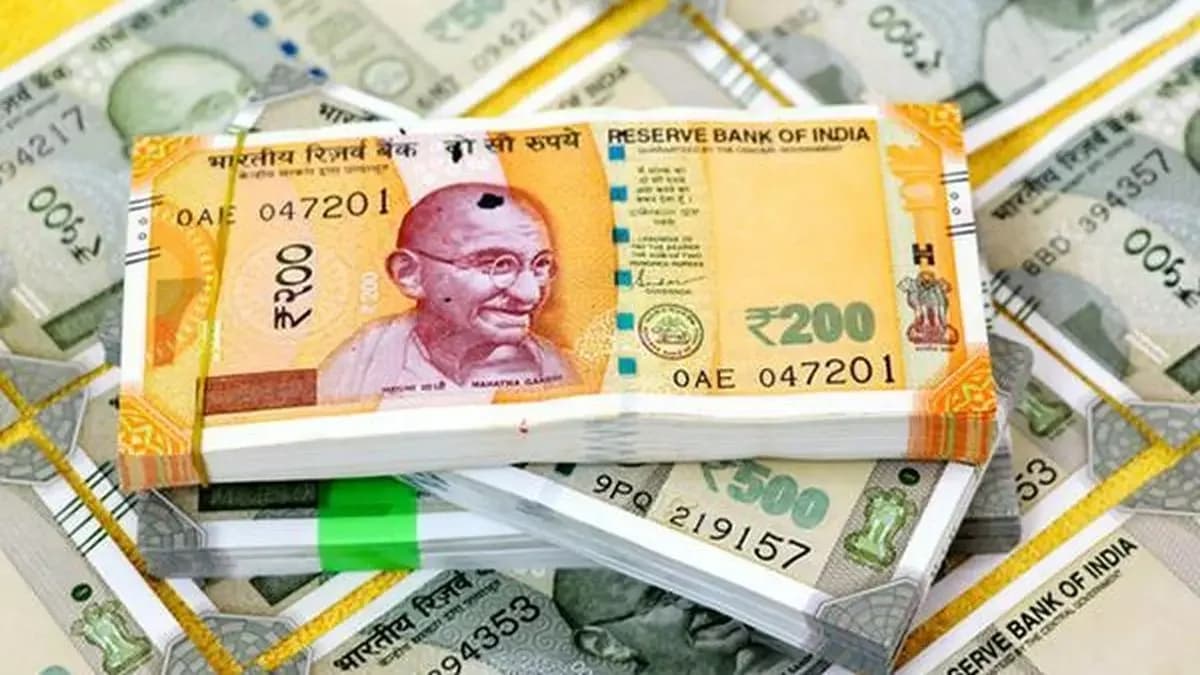
Financial leaders have expressed strong confidence in the resilience of India's banking architecture despite the ongoing West Asia crisis and recent challenges. According to The Economic Times, experts including M Narendra (former CMD, Indian Overseas Bank), Mahendra Kumar Chouhan (President-Elect, IMC), and Shachindra Nath (MD, UGro Capital) aligned in their view that India's financial system remains exceptionally robust against severe external shocks. The banking sector has successfully absorbed recent disruptions including shipping delays and port congestion tied to the West Asian crisis, with companies maintaining strong cash reserves to manage temporary difficulties.
Asset quality across India's banking sector remained broadly stable during the fourth quarter of FY26, according to a report by Systematix Research. Most banks under coverage maintained healthy asset quality metrics, with net slippage ratios remaining under control despite macroeconomic uncertainties and pressure on margins following the repo rate cut cycle. As reported by Systematix Research, the slippages in the quarter were broadly in control with most coverage banks reporting sub 80bps of net slippage ratio, except for Indian Bank which saw a rise in slippages due to year-end adjustments linked to memorandum of changes.
Addressing the notable drop of around ₹2.5 lakh crore in the Reserve Bank of India's foreign exchange reserves alongside volatile FII and FDI outflows, experts termed these pressures temporary. According to The Economic Times, Shachindra Nath attributed the lower forex reserves to the depreciation of the rupee and global money market shifts, urging a dual approach of increased domestic self-reliance to reduce oil consumption reserves alongside structural economic reforms to attract global investors.
Banks expect the actual impact of geopolitical tensions to become visible over the next few quarters, with the report stating that there is no incipient rise in asset quality yet but the banks expect the true impact of the west Asia war to be visible in Q2FY27 or in H2FY27. The RBI has proactively granted authorized dealers flexibility to extend import payments and export credit lines, demonstrating that "it is not a panic situation," as noted by experts. Private lenders such as ICICI Bank, HDFC Bank and Kotak Mahindra Bank reported relatively resilient asset quality trends, while PSU banks also maintained stable slippage ratios.
The report highlighted that government-backed schemes such as Credit Guarantee Scheme for Microfinance Institutions 2.0 (CGSMFI 2.0) and Emergency Credit Line Guarantee Scheme 5.0 (ECLGS 5.0) could help cushion potential stress in vulnerable loan segments if external conditions worsen. On macroeconomic policy, experts projected stability, with Shachindra Nath expecting a 'status quo' from the upcoming Monetary Policy Committee meeting and M Narendra explaining that current inflation levels don't warrant interest rate hikes unless food inflation breaches the 6% tolerance band. The experts emphasized deep financial inclusion rather than massive consolidation, with a fragmented ecosystem of hundreds of strong, localized institutions critical for serving India's vast unbanked population.