Bank of America has launched a sweeping infrastructure financing initiative aimed at digital infrastructure, energy, and core infrastructure projects across the country. The initiative spans three broad categories: digital infrastructure covering data centers, computing hardware, and telecommunications networks; energy and power infrastructure covering both conventional and renewable generation alongside storage and distribution; and core infrastructure covering transportation, grid modernization, water systems, and critical minerals. The bank plans to track progress through qualifying financing activity, including lending, capital markets work, and advisory engagements over an extended multi-year window. This initiative reflects a broader wave of financing commitments from large banks aimed at supporting the buildout of data centers and power generation capacity needed to support growing computing demand tied to artificial intelligence.
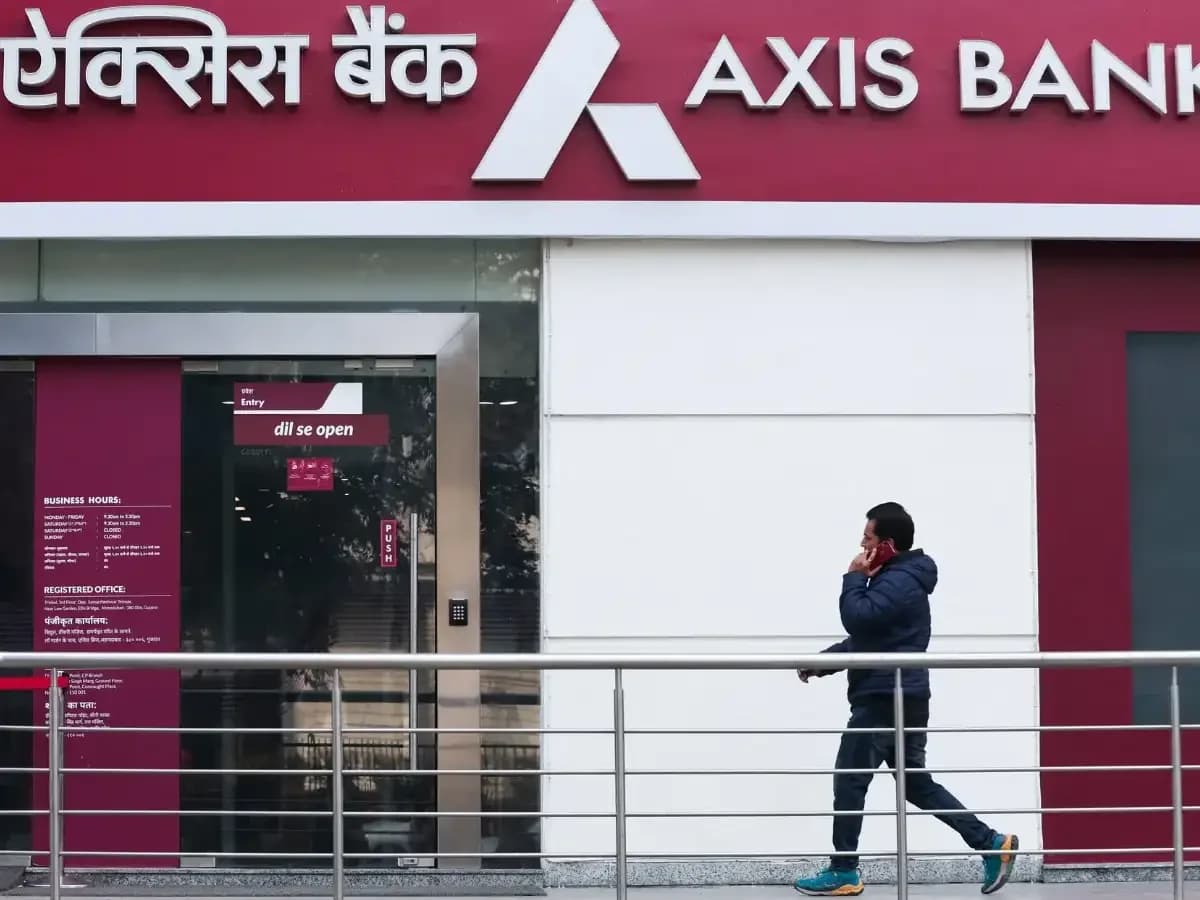
Axis Bank is significantly broadening its corporate banking services beyond traditional lending operations. According to reports from The Economic Times, the lender is targeting fee income and low-cost deposits from corporate ecosystems while refusing to engage in aggressive pricing strategies to chase loan growth. The bank's wholesale banking head Vijay Mulbagal outlined this strategic shift in an exclusive interview, emphasizing the bank's focus on managing corporate cash flows rather than competing on interest rates. The lender is targeting business beyond corporate credit by handling collection, payments, trade finance, taxes and salary accounts while also offering investment-banking and wealth-management services to companies and their promoters.
The expanded corporate platform now encompasses collection, payments, trade finance, taxes and salary accounts for businesses. As reported by The Economic Times, Axis Bank is leveraging its corporate salary franchise, investment-banking arm Axis Capital, and Burgundy Private wealth-management platform to expand relationships across corporate groups. The bank is also pursuing supply-chain opportunities through factoring, dealer financing and supplier financing to capture additional corporate cash flows. According to Mulbagal's interview, every corporate client provides opportunities to serve not only their requirements but also their entire ecosystem, including dealers, suppliers, employees, buyers and sellers outside India. "Every corporate allows us an opportunity to take care of not only its requirements but also its ecosystem, which includes dealers, suppliers and employees, as well as its buyers and sellers outside India," Mulbagal said, noting that "a corporate wallet is a lot more diverse" than individual wallets.

According to Mulbagal's interview with The Economic Times, every corporate client provides opportunities to serve not only their requirements but also their entire ecosystem, including dealers, suppliers, employees, buyers and sellers outside India. He noted that "a corporate wallet is a lot more diverse" than individual wallets, creating multiple touchpoints for the bank's services. The strategy aims to build both liability and fee franchises by managing more corporate cash flows through the expanded service offerings, with the bank expecting to build its liability franchise, earn transaction fees and generate floats as more corporate cash flows pass through the bank. "Credit growth is also able to give us a good share of liabilities because I handle collection, payments, trade, corporate salaries and taxes," Mulbagal explained, emphasizing how the comprehensive approach creates sustainable revenue streams.
Bank of America has disclosed a new joint venture with a large Indian financial services group focused on credit services, structured so the bank can own a substantial minority stake in the resulting entity. The venture is designed to extend credit products to businesses and individuals across India, a market where demand for formal credit continues to expand alongside rapid economic growth and rising digital adoption. For Bank of America, this move represents an extension of its international strategy, giving it exposure to a large and growing credit market outside its core domestic operations while partnering with a well-established local group that brings deep market knowledge and distribution reach.