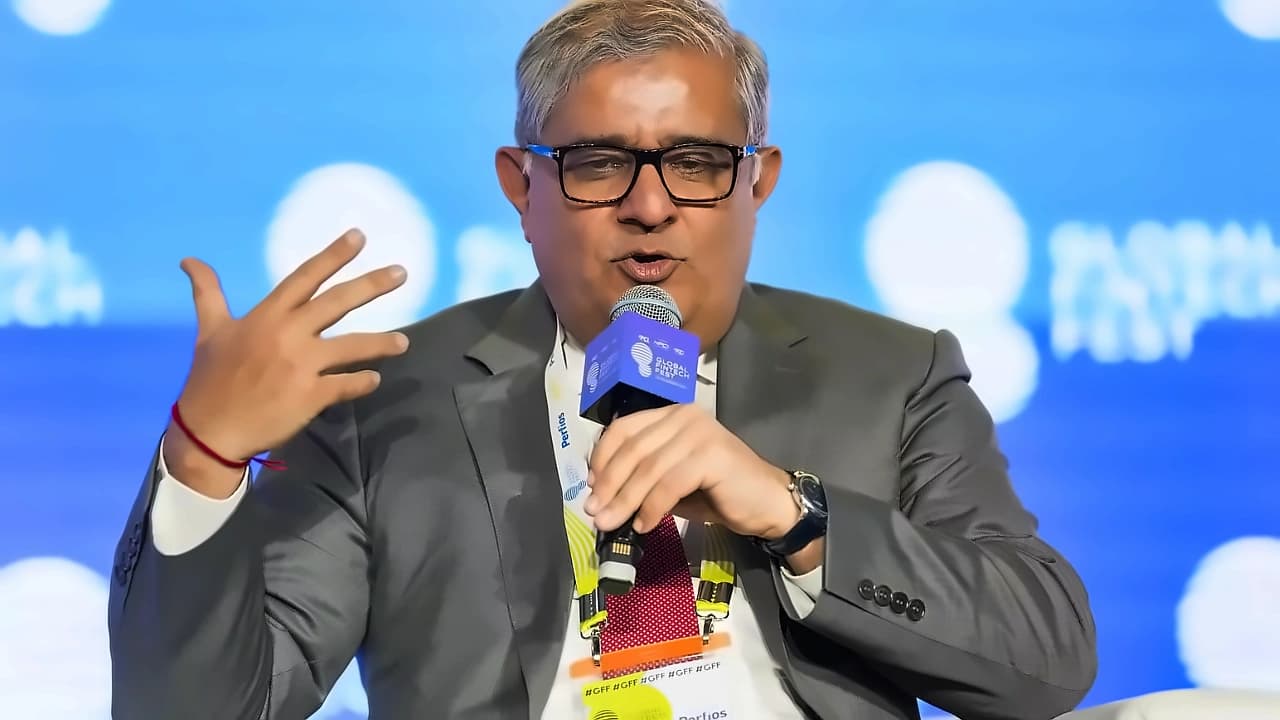
Under Amitabh Chaudhry's leadership, Axis Bank has delivered an 18% ROE for nearly seven quarters during his seven-and-a-half-year tenure. However, as reported by The Times of India, the CEO acknowledges that 18% ROE remains an aspirational target that is difficult to achieve, despite the bank's strong performance track record. The retail cycle, higher credit costs and rate cuts have put pressure on NIMs, testing the bank's ability to maintain its target returns.
According to the interview with The Times of India, Chaudhry identified that while the bank has achieved significant progress in strengthening the brand, improving net promoter score and upgrading businesses, the unfinished agenda is larger than he thought a few years ago. Key areas requiring further focus include deeper penetration, premiumisation, consistent performance, stronger deposits and capitalising on AI. The bank has moved ahead of competition in payments with strong UPI and merchant-acquisition shares and built the third-largest wealth franchise in four years. Retail quality has improved but remains a work in progress.
As reported by The Times of India, Chaudhry emphasized that the bank can deliver 3.8% NIMs without too much problem in the medium-to-long term, rejecting the approach of choosing between growth and margins. He noted that market dynamics or external factors could impact margins, but the bank's size allows for balanced management of both growth and NIMs without sacrificing other strategic priorities. The bank believes it can do both - fix growth and NIMs without having to work too much on NIMs at the expense of other strategic priorities.
According to The Times of India, the Citi acquisition has delivered as expected, with the bank receiving an unexpected ₹2,000-2,300 crore tax benefit, effectively lowering the acquisition price. The deal has strengthened Axis Bank's credit card and wealth franchises while adding deposits when they were becoming a constraint. The acquisition has also materialized the expected deposit/advance portfolios and talent benefits. Given the effort required even for small acquisitions, the bank now believes acquisitions should be big enough to justify the effort.
As reported by The Times of India, Axis Bank holds a 35% share of the rails it provides and 20% as an issuer, positioning it as a major player in the UPI ecosystem. Chaudhry noted that while customers previously needed to visit banks for payments, UPI now allows large payments through mobile applications, requiring banks to remain relevant through their broader suite of banking services. The bank remains open to inorganic growth opportunities if the right acquisition comes at the right price, though it believes acquisitions should be large enough to justify the effort. When people discuss UPI market share, they focus on front-end apps, but banks provide the critical rails including authorisation, funding, fraud checks, disputes, regulatory liability and customer money.