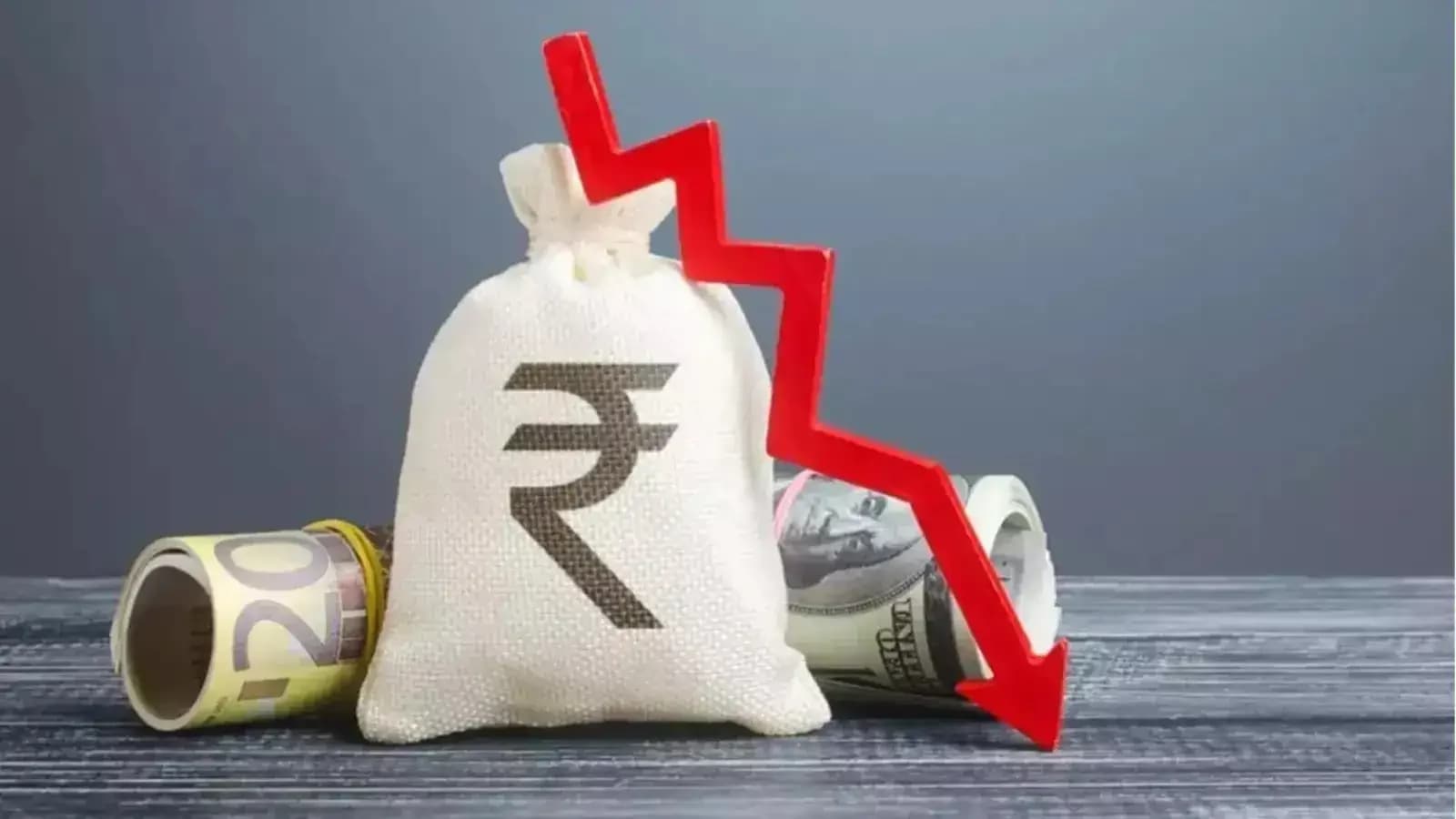
According to data from Crif High Mark, nearly ₹15,800 crore of microfinance advances, representing about 5% of the total sectoral portfolio, are still held by overleveraged borrowers who took loans from more than three lenders. As reported by The Economic Times, these individuals face the harsh reality of being ineligible for new loans as they struggle with repayment obligations. The substantial debt levels have created a double-edged sword scenario, with the formal credit segment most vulnerable to business cycles facing significant delinquency risks.
A granular analysis revealed that approximately 1.5 million small borrowers have loans from four or more lenders, with credit bureau data indicating these borrowers have more than ₹1 lakh outstanding loans on average - more than double the balances applicable to the average microfinance customer. According to industry practice, the maximum limit for individual borrower loan access is set at a maximum of three microfinance lenders. The worrying aspect is the quantum of individual exposure of these 1.5 million borrowers and the impact of their lack of access to further credit on system-level repayment commitments.
As reported by The Economic Times, borrowers who have taken loans from more than three lenders are not receiving fresh loans under the guardrails implemented by microfinance lenders since July 2024. A leading NBFC-MFI CEO explained that these borrowers are not able to smooth repayment pressure, making them susceptible to default. The industry's inability to provide new credit to overleveraged borrowers has created significant system-level repayment challenges, with customers taking unsecured loans from more than three lenders considered the most vulnerable with regards to their repayment commitments.
According to Crif High Mark data, approximately 10% of the ₹15,800 crore in multiple-lender loans has been in default for more than 30 to 180 days. In contrast, about 5.15 million borrowers with loans from three lenders showed better repayment records, with cumulative outstanding of ₹49,374 crore at the end of March, and only 5% remaining unpaid for 31 to 180 days. The most credit-disciplined segment comprises 62.2 million customers with one or two loans, maintaining a cumulative ₹2.66 lakh crore outstanding with just 2.3% unpaid for 30-180 days. This data underscores the asset quality question mark on the nearly ₹15,800 crore of loans taken from multiple lenders, highlighting the vulnerability of the overleveraged borrower segment.